

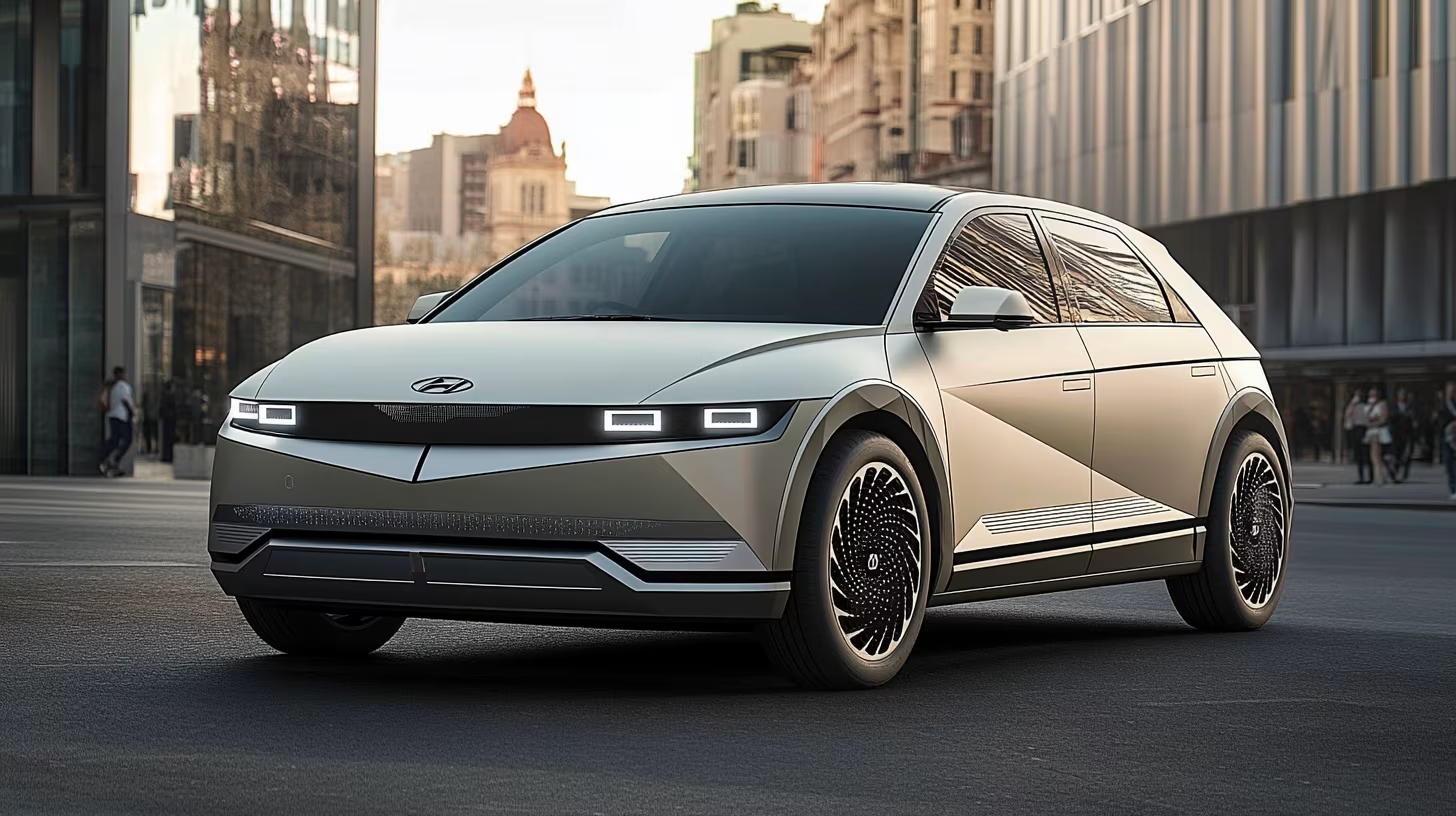
Ioniq 5
HYUNDAI
Ioniq 5 Introduction
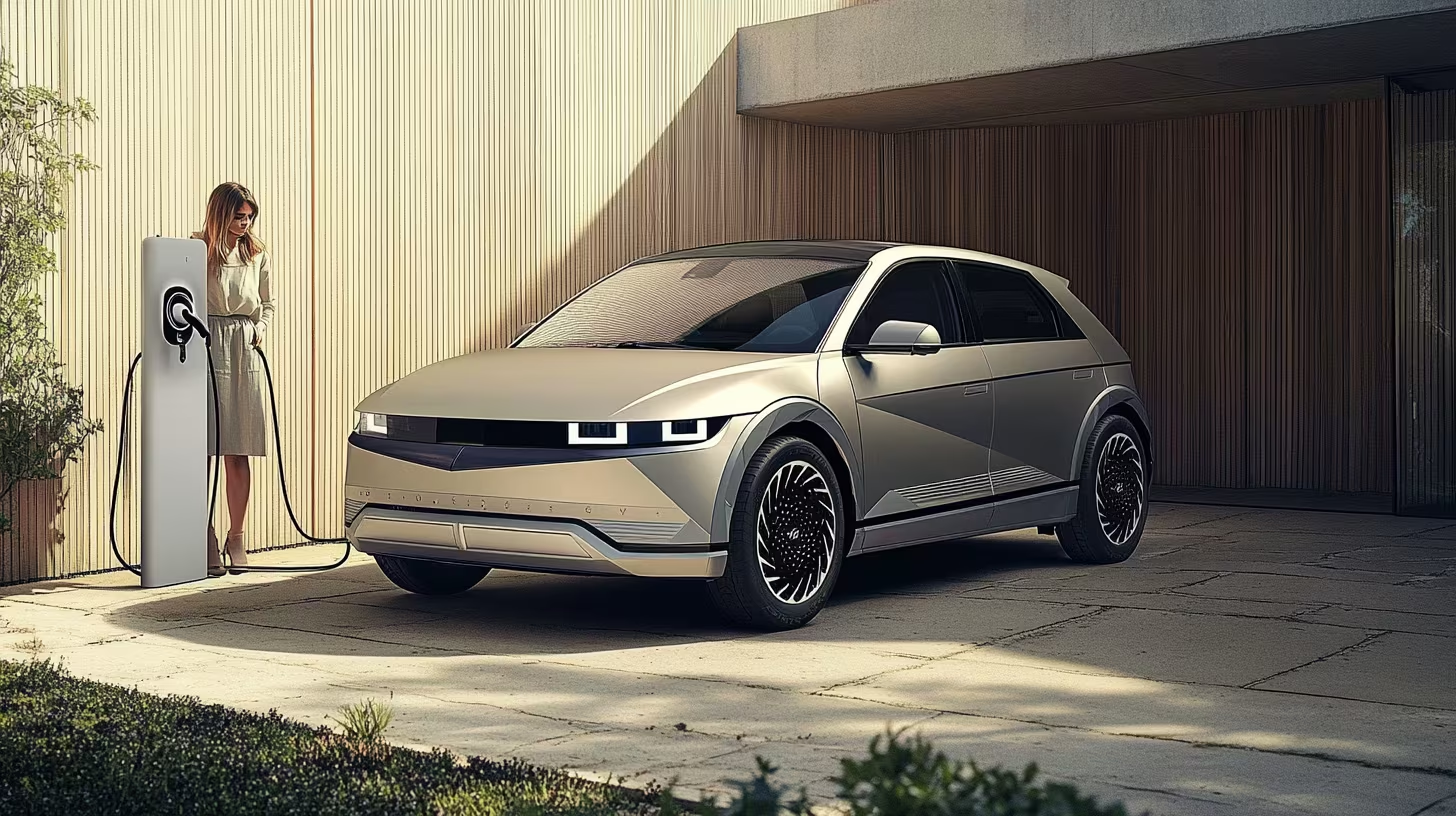
The Hyundai Ioniq 5 is a game-changing midsize electric SUV that blends retro-futuristic styling with next-gen electric tech, and is quickly becoming a favourite among Australian EV buyers. Offering a choice of rear-wheel drive, all-wheel drive, and the high-performance Ioniq 5 N, the range starts with the 168kW base model and rises to the 478kW/770Nm dual-motor Ioniq 5 N. All variants feature a spacious, five-seat cabin, flat floor, and intuitive 12.3-inch touchscreen, while buyers can opt for 63kWh or 84kWh batteries and a WLTP range of up to 570km. With ultra-fast 350kW charging (10–80% in 18 minutes), a huge boot (up to 1,655L seats folded), and clever V2L capabilities for powering devices, the Ioniq 5 stands at the top of its class for practicality and technology.
Standard features in the Hyundai Ioniq 5 include adaptive cruise, lane keeping, wireless phone charging, CarPlay/Android Auto, and a glass roof or panoramic sunroof in Epiq and Dynamiq. The Ioniq 5 N adds heated rear seats, Bose audio, and “N Grin Boost” for ferocious acceleration. Hyundai’s 5-year unlimited-kilometre car and 8-year battery warranty add peace of mind, while servicing is capped and streamlined. With a 2021 five-star ANCAP safety score, bold exterior design, and critically acclaimed comfort, the Hyundai Ioniq 5 proves it’s as suitable for families as it is for early adopters chasing the latest in sustainable mobility.
Available models

Want Solar Finance Options?
Compare lenders and get tailored loan offers.
Ioniq 5 Performance & Power
Performance is a highlight for the Hyundai Ioniq 5 range, with both RWD and AWD variants offering plenty of instant torque and genuinely enjoyable handling. Matt Campbell (CarExpert) says, "The Ioniq 5 has got really sweet handling – the steering is accurate and responsive, and you can push it through corners with plenty of gusto despite the fact it weighs 2190kg." Laura Berry (CarsGuide) points out the RWD’s long-range trim as the “smartest pick,” and finds the car “easy, comfortable and fun to drive” thanks to its rear-drive balance and peppy acceleration, making it excellent for everyday commuting.
AWD variants up power to 239kW/605Nm and can sprint to 100km/h in about 5.3 seconds, a major plus for drivers seeking strong overtaking or motorway performance, noted by Bridie Schmidt (NRMA). For maximum thrills, the Ioniq 5 N delivers up to 478kW and hits 0–100km/h in 3.4 seconds with N Grin Boost engaged, although this pace trades some efficiency for excitement. Compliant suspension and a low centre of gravity mean the Ioniq 5 remains settled over bumps and inspires confidence in mixed conditions—a family car that’s also genuinely fun. While there are no adaptive dampers, reviewers say liveability and day-to-day dynamics are excellent across every variant.
Ioniq 5 Interior & Design
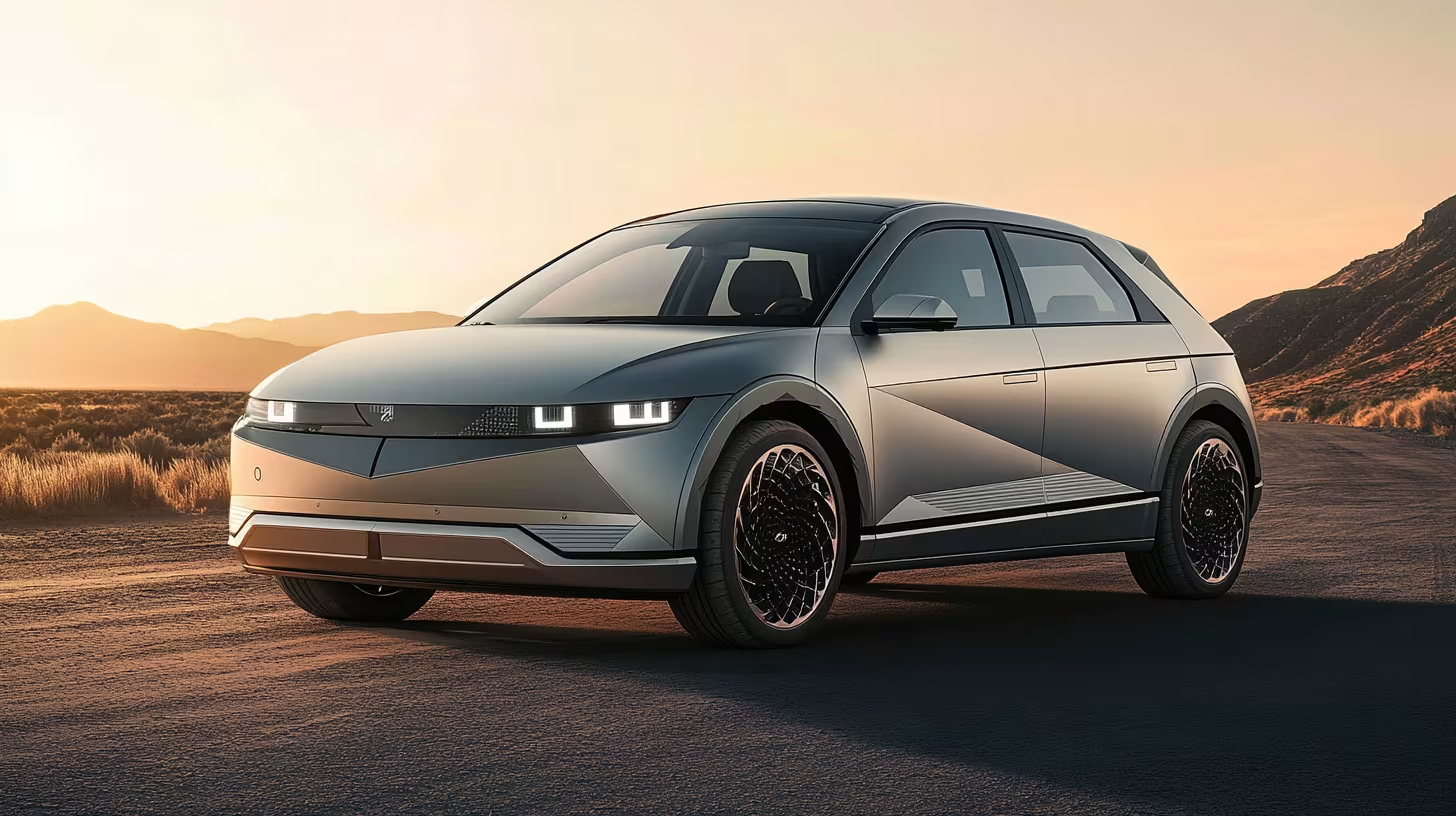
With its ‘80s-throwback hatch shape, pixelated LED lights, flush handles, and bold proportions, the Hyundai Ioniq 5 is a design statement on Aussie roads. Laura Berry (CarsGuide) calls it “cool retro looks with its overgrown hatchback shape, the ‘pixel’ LED tail-lights and square LED daytime running lights,” and Bridie Schmidt (NRMA) highlights its “sharper front bumper, a sleek rear spoiler, and a sophisticated hidden lighting setup.” Inside, reviewers are divided: the spacious, flat-floored interior and panoramic sunroof make for an airy cabin, but both Berry and Campbell suggest the “cabin finishes are a tad ‘try hard’,” lacking the premium feel that matches the sophisticated exterior.
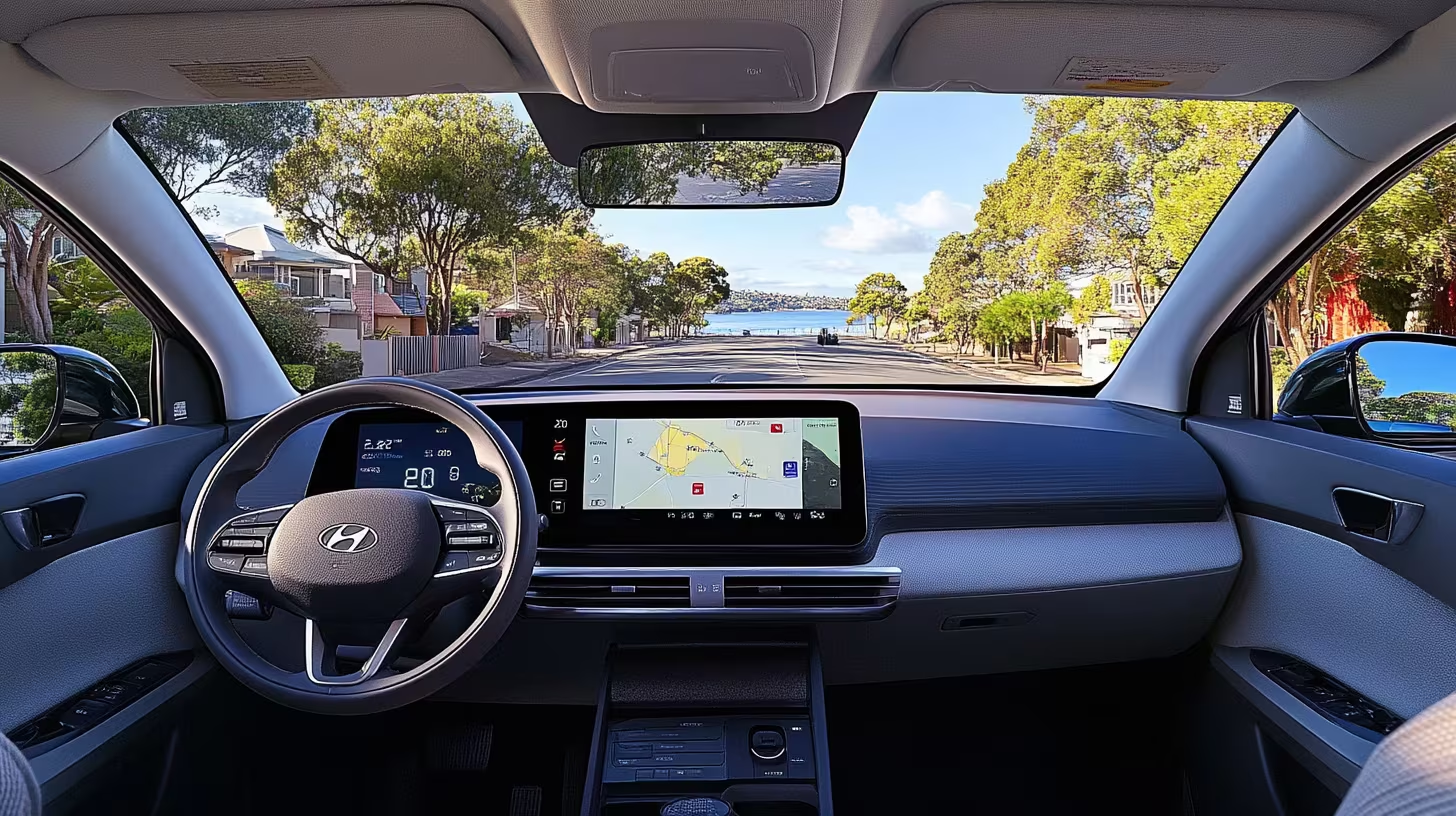
The cabin is cleverly modular, with sliding rear seats, lots of storage, and eco-friendly trims on many grades. Base and Dynamiq models offer cloth or leatherette seats, while Epiq and N get leather, Bose audio, heated/ventilated seating, and in the N, unique trim and badging. A 12.3-inch touchscreen and driver display dominate the minimalist dash. Boot space is a strong point: 480L grows to 1,655L with seats folded, but some testers want more rear headroom and underfloor storage.
Ioniq 5 Technology & Safety
Technology is front and centre in the Hyundai Ioniq 5, with all versions getting dual 12.3-inch screens, wireless phone charging, V2L, and a full suite of SmartSense driver assistance. Matt Campbell (CarExpert) praises the “huge level of safety equipment, including adaptive cruise, lane-keep, AEB, and surround cameras,” though he notes, “the speed sign recognition sounds a frustrating bing-bing alert if you go over what it thinks is the limit, which sometimes it gets very wrong.” Laura Berry (CarsGuide) values the five-star ANCAP safety and 360-degree surround view, mentioning the car can even be remotely parked via the key fob for tight garages.
Bridie Schmidt (NRMA) calls Hyundai’s navigation-linked SmartSense “a key strength,” with active features that are mostly user-friendly. The N models add extra performance interfaces and the option for advanced N Grin Shift power boosts. OTA updates and the Ioniq 5 app are now standard. Both reviewers and buyers appreciate the value of an internal V2L port—ideal for camping and emergencies—though external adapters are no longer standard.

Ioniq 5 Range & Charging
Charging and efficiency are major strengths for the Hyundai Ioniq 5, with a maximum WLTP range of up to 570km for extended-range RWD models equipped with 84kWh batteries. Laura Berry (CarsGuide) confirms, "If you can afford the extra $6K for the bigger battery, do it." In practical terms, testers achieve between 19–20kWh/100km, or about 400–480km per fill for most owners, with the best results seen in suburban running. Fast charging ability is world-leading: 350kW DC capability lets you add 10-80% (roughly 400km) in just 18 minutes, while 11kW AC works overnight at home.
Bridie Schmidt (NRMA) notes, "the shift to making the external V2L adaptor optional might frustrate buyers." Boot space remains at 480L minimum, up to 1,655L seats folded, and a front trunk provides 24–88L depending on variant. The car accepts Tesla Supercharger or other CCS compatible public DC networks. For reliable home charging installation, find a local professional here.
Ioniq 5 & Solar Power
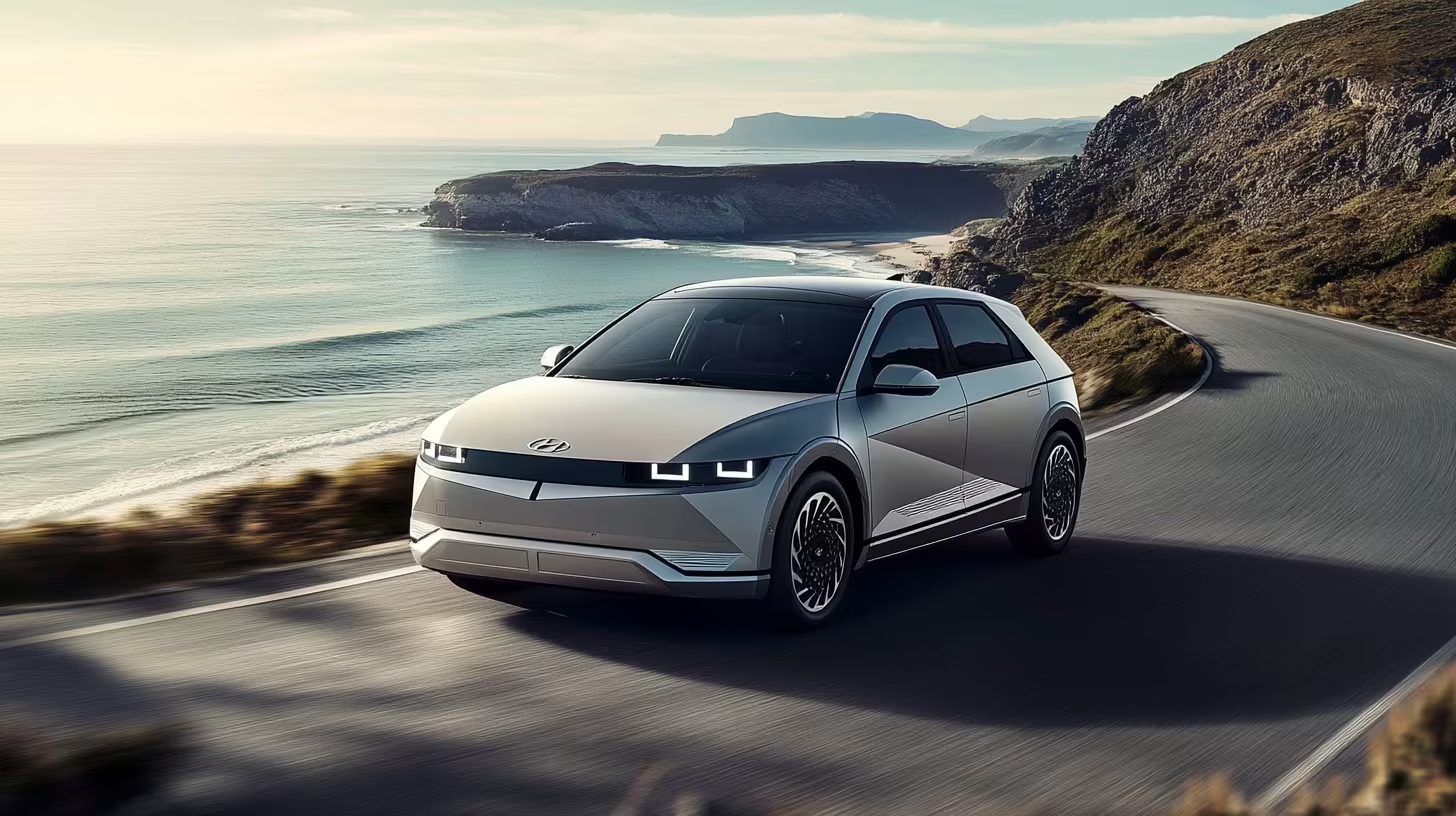
Thanks to smart scheduling and 11kW AC charging, the Hyundai Ioniq 5 pairs seamlessly with home solar setups, letting most urban commuters “fuel up” on sunshine for everyday driving. Charging during peak solar hours translates to the lowest running costs, while the car’s big battery enables weekend getaways on a single charge. V2L capability supports home or off-grid energy needs, and Hyundai’s app helps set charge/discharge to match solar production. Solar EVes and scheduling apps mean families can achieve free motoring most weeks.
With Australia’s solar rebates, many Ioniq 5 owners see a payback period of 2–3 years for a rooftop install, and can manage car and home charging together for maximum value. For a custom solar quote or to book a EV, connect with a local solar installer here.
FAQ - Hyundai Ioniq 5
What is the price of the Hyundai Ioniq 5 in Australia?
Hyundai Ioniq 5 pricing in Australia starts from $69,800 for the Base RWD variant, while the Dynamiq, Epiq, and N Line trims range between $80,800 and $91,300 before on-road costs. The high-performance Hyundai Ioniq 5 N is priced at approximately $110,383. "Hyundai Ioniq 5 price Australia" is a top search for buyers comparing incentives and drive-away deals. Always check your local dealer for the latest stock and government EV rebates.
How far can the Hyundai Ioniq 5 travel on a single charge?
The Hyundai Ioniq 5 with the larger 84kWh battery (Extended Range) claims up to 570km WLTP, while other trims and battery options deliver between 384km and 481km. Real-world owners typically report 400–490km per charge depending on driving style, weather, and payload. Frequent highway use or spirited driving in AWD/N Line trims may yield lower results. For peace of mind, the Ioniq 5’s fast-charging means even long trips are practical with a little planning.
Is the Hyundai Ioniq 5 available as all-wheel drive and how quick is it?
Yes, Hyundai Ioniq 5 AWD is available on Dynamiq, Epiq, and N Line, offering 239kW of power and 605Nm of torque. The Hyundai Ioniq 5 AWD sprints from 0–100km/h in about 5.3 seconds and feels particularly responsive in wet or slippery conditions. For ultimate performance, the Ioniq 5 N does the 0–100km/h dash in 3.4 seconds. AWD drivers enjoy extra grip, though slightly reduced range versus the long-range RWD.
What warranty does Hyundai Ioniq 5 include in Australia?
Every Hyundai Ioniq 5 comes standard with a five-year unlimited kilometre warranty, while the battery is covered for eight years/unlimited km for added peace of mind. Fixed-price servicing keeps running costs clear, and Hyundai Australia offers a countrywide dealer/service network. Complimentary roadside assistance is included for the first year. This warranty is highly competitive within the Australian EV market.
Does the Hyundai Ioniq 5 have fast charging and V2L features?
The Hyundai Ioniq 5 can DC fast charge at up to 350kW, meaning a 10–80% boost in about 18 minutes at compatible public chargers. All trims also offer V2L (vehicle-to-load), so you can power or charge devices and appliances from the car’s battery, making it perfect for camping, tradies, or power outages. Note that the external V2L adapter is now an extra-cost accessory, but internal V2L is standard. The Type 2/CCS plug works with Australian charging networks and Tesla Superchargers.
What technology and infotainment systems are standard in the Hyundai Ioniq 5?
The Hyundai Ioniq 5 features dual 12.3-inch screens, wireless device charging, wired Apple CarPlay/Android Auto, and voice controls. Epiq and N Line get a Bose premium audio system and head-up display, while all variants have Bluelink connected services with OTA updates. Safety highlights include adaptive cruise, lane keep, blind-spot camera, and surround view. The UI is praised for sharpness but dashboard buttons combine touch and physical controls for ease.
How roomy is the Hyundai Ioniq 5 interior and boot space?
Inside, the Hyundai Ioniq 5 boasts a flat floor, sliding rear seats, and plenty of head and legroom for five adults. Boot space is 480L (seats up) and expands to a class-leading 1,655L with seats folded—plus a handy “frunk” for cables or beach gear. Reviews praise the cabin's modular design, but some buyers wish for richer materials on certain trims. Comfort across both rows is a regular review highlight.
Is the Hyundai Ioniq 5 a good family car?
Yes, most Australian families find the Hyundai Ioniq 5 ideal, with ISOFIX points in the rear, broad child seat compatibility, and a central space walk-through for younger passengers. The wide doors, panoramic roof (in Epiq and N Line), and high grade safety tech make it safe and practical for school runs or long trips. Rear heated seats and the big boot handle extra bags or prams. Digital displays and sunshades keep kids comfortable and entertained.
How energy efficient is the Hyundai Ioniq 5 and what does it cost to run?
Typical real-world energy use for the Hyundai Ioniq 5 is 16–20kWh/100km, depending on drive mode, weather, and load. With low off-peak tariffs or rooftop solar, weekly “fuel” costs are often under $10–$15. Reduced servicing, no oil changes, and low brake wear—thanks to regen braking—keep long-term running costs minimal. The EV’s price premium is recouped within a few years by low ongoing spend.
Does the Hyundai Ioniq 5 support home solar charging?
Absolutely! The Hyundai Ioniq 5 can be scheduled to charge during sunshine hours for near-zero running costs and emissions. Many Aussie owners connect to 7–11kW EVes with solar integration for further savings. Bluelink and car app scheduling streamline the process. Installers can [quote for a charger and solar here](https://topproperty.eco/solar-installers).
How does the Hyundai Ioniq 5 compare to Tesla Model Y or Kia EV6?
Most reviews find the Hyundai Ioniq 5 more practical and comfortable for families than the Model Y, with a quieter ride and more advanced tech than the Kia EV6 in key areas. The Tesla leads on software and charging network, while Hyundai shines for service, warranty, and boot space. “Hyundai Ioniq 5 vs Tesla Model Y” is a key research area for many buyers making the switch. All three are leaders, but Hyundai’s warranty and ease of use sway many Australians.
What are the main drawbacks reviewers mention about the Hyundai Ioniq 5?
Some testers note that material quality drops in base trims, and that the cabin—while practical—can feel minimalist or lacking “wow factor” compared to the showy exterior. Driver-assist beeps and alerts are occasionally troublesome, especially with the overzealous speed recognition. Range takes a hit with high-speed or AWD/Performance driving. The external V2L adapter is now optional, which can disappoint buyers expecting it as standard.
What variants and trims are available for the Hyundai Ioniq 5 in Australia?
Buyers can choose from Base, Dynamiq, Epiq, N Line, and the high-performance Hyundai Ioniq 5 N. Each step up adds tech, comfort, and design upgrades. AWD and RWD are both available (battery size and performance differ by trim). The N is purely for enthusiasts who want sports car acceleration and extra features.
How long does it take to charge a Hyundai Ioniq 5 at home vs public chargers?
A home EV (11kW) fully charges the car in 7–9 hours—perfect for overnight. Fast DC charging from 10–80% takes just 18 to 30 minutes, depending on charger speed and battery size. Even regular power point top-ups work for those driving under 50km per day. Everyone from city drivers to regional commuters can use scheduled charging to fit their lifestyle.
What safety rating and features does Hyundai Ioniq 5 offer?
The Hyundai Ioniq 5 received a five-star ANCAP safety rating in 2021, with high scores for adult and child protection. Every model includes ten airbags, AEB, lane and blind-spot assists, adaptive cruise, 360º cameras (Epiq/N Line), and rear-cross traffic protection. Head-up display and highway driving assist are standard on upper trims. This high tech focus gives peace of mind for both families and professionals.
Can Hyundai Ioniq 5 tow or use roof racks?
Yes, the Hyundai Ioniq 5’s towing capacity is 1,600kg on Long Range AWD trims, suitable for small trailers or jet skis. Roof racks and other accessories like floor mats, dash cams, or sunshades are dealer-available for summer trips. Boot space and vehicle weight must be checked for maximum ratings. Always consult the manual before planning towing or exterior mods.
Does Hyundai Ioniq 5 have a sunroof, panoramic roof, or cooling seats?
Epiq and N Line variants receive a panoramic sunroof, while all grades offer ventilated (cooling) and heated seats in upper trims. Leatherette or leather upholstery and Bose audio elevate top specs. The central sliding console and wide-opening rear doors mean plenty of comfort and flexibility, even in base models. Interior design is family-tailored, with even entry trims feeling modern.
Is the Hyundai Ioniq 5 suitable for a novated lease or business use?
Absolutely. Hyundai Ioniq 5 is highly suited for novated lease—with Fringe Benefits Tax (FBT) benefits and strong running cost savings. Both private and fleet buyers appreciate the capped service, rapid depreciation savings, and government EV incentives. Ask your accountant or dealer for current novated lease pricing on all trims.
How reliable is the Hyundai Ioniq 5 and what’s ANCAP say about long-term ownership?
Early reliability results for the Hyundai Ioniq 5 have been positive, with few major issues reported in Australia thanks to Hyundai’s mature EV platform and robust 5-year warranty. Parts, servicing, and recall support rival the biggest EV makers, making long-term ownership safe. Public recall info and ANCAP reports are regularly updated. Owners value peace of mind from the brand’s strong domestic presence and customer service focus.
Is Hyundai Ioniq 5 easy to use, and what do Aussie owners like best?
Owners praise the Hyundai Ioniq 5 for its driving comfort, fast home/public charging, clever modular cabin, and convenience features like remote preconditioning and 360º cameras. City, regional, and holiday users all value the mix of smooth ride and strong real-world range. Many note that the combination of solar charging, big boot space, service security, and tech features is what sets the Ioniq 5 apart from rivals. “Hyundai Ioniq 5 review Australia” and “real world range” remain top research queries for EV buyers.
Find EV Chargers & Solar Power by State
Discover charging infrastructure and solar power options for your HYUNDAI Ioniq 5 in your state:
*Disclaimer: This page includes information, descriptions, and images that may have been created or enhanced with the assistance artificial intelligence, powered by our proprietary Ray-i (AI) technology system. While we do our best to ensure accuracy, specifications and details can vary between models, regions, and over time as manufacturers make updates. Images are for illustrative purposes, and the content is provided for general reference. For the most up-to-date specifications or features, we recommend checking directly with the manufacturer or your local dealer.