
Electric Vehicles in Australia
Australia's electric vehicle (EV) market is gaining momentum, with nearly half a million electric cars now on the road. Out of the country's 20.5 million registered vehicles, 492,100 are electric, representing 2.4% of the national fleet. This includes battery electric vehicles (BEVs), plug-in hybrids (PHEVs), hybrids, and fuel cell EVs (FCEVs). With 19.2 EVs per 1,000 people, Australians are increasingly turning towards cleaner transport options. The environmental case for EV adoption is clear. With most internal combustion engine (ICE) vehicles averaging 10,000 km annually, Australia's non-electric fleet is responsible for around 24,009 thousand tonnes of CO₂ emissions each year. Transitioning to electric mobility offers a pathway to dramatically reduce this carbon output while lowering reliance on fossil fuels
Infrastructure growth is also supporting this shift. Around 1,500 public charging stations are available nationwide, providing drivers with expanding opportunities to charge on the go. This accessibility is crucial in encouraging more households to make the switch. State by state, uptake varies. New South Wales leads the nation, with 146,800 EVs and 380 charging stations, followed by Victoria with 120,600 EVs and 320 charging stations. Queensland is close behind with 94,700 EVs supported by 290 chargers. Western Australia and South Australia also show strong growth, with 59,500 and 36,500 EVs respectively. Smaller regions, such as Tasmania, the ACT, and the Northern Territory, are also embracing the transition, though at smaller scales, with steady investments in charging infrastructure. As costs continue to fall and charging networks expand, EVs are set to play a central role in Australia’s journey towards sustainable transport.
Australian EV Quick Facts



Electric Vehicle Data by State

Want Solar Finance Options?
Compare lenders and get tailored loan offers.
Electric Vehicles
Plugging into the Future: Embracing Electric Vehicles in Australia
Electric vehicles (EVs) are transforming Australia’s transportation landscape, offering an eco-friendly alternative for drivers. With rising environmental awareness, government incentives, and a growing charging network, now is the ideal time to switch to an electric vehicle. This guide covers essential aspects of EVs, including charging, cost benefits, government rebates, and the latest technologies available for Australian drivers.
Australia’s push to reduce carbon emissions is driving the adoption of electric vehicles. EVs offer significant advantages, such as lower greenhouse gas emissions, improved air quality, and reduced dependence on fossil fuels. Government rebates and incentives further make the transition to electric mobility more affordable for consumers.
Electric vehicles come in a variety of models to meet different needs, from compact cars ideal for city driving to larger SUVs for families. EV technology is advancing rapidly, with longer ranges, improved performance, and faster charging times. The charging infrastructure is also expanding, providing convenient access for drivers across the country. This guide answers key questions for those considering an EV, such as charging costs and how to locate charging stations. With government support and an expanding network of charging options, transitioning to an electric vehicle has never been easier. Let’s explore how EVs are shaping the future of transportation in Australia.
Powering Your Journey: Electric Vehicle Charging Stations in Australia
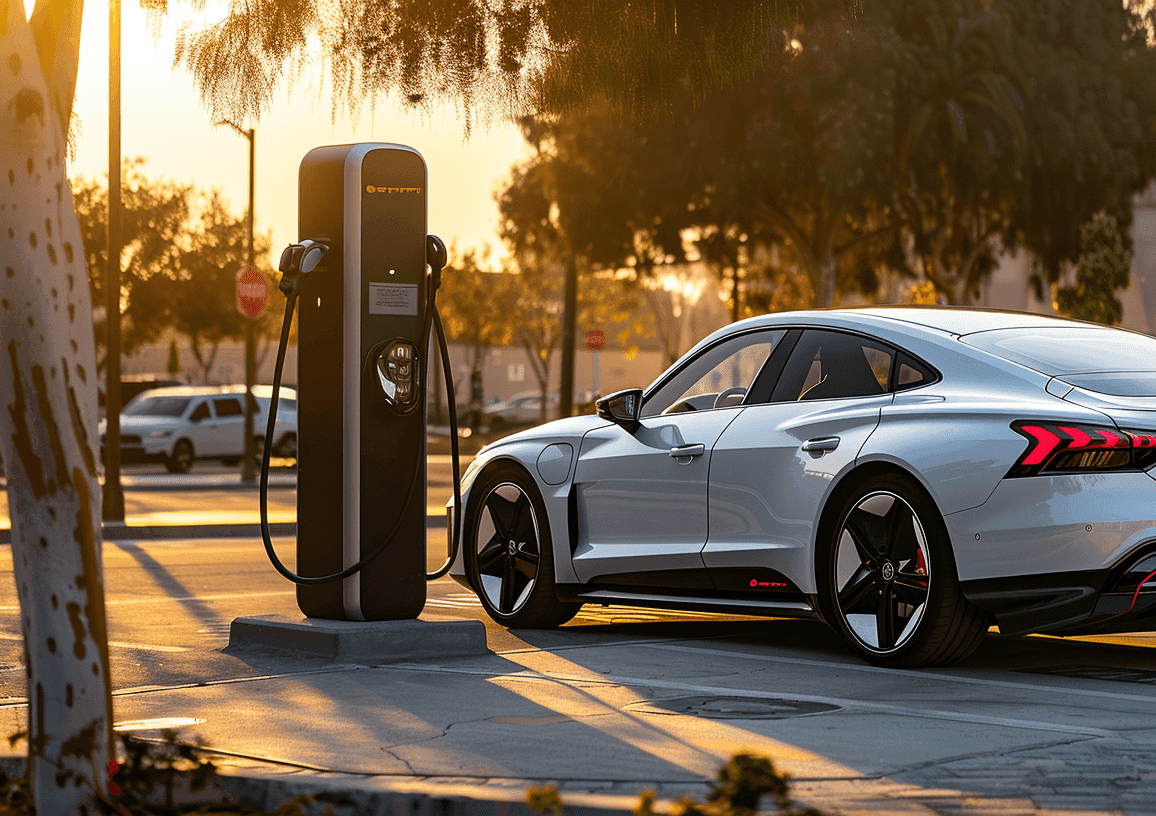
As the popularity of electric vehicles (EVs) continues to grow, understanding how to charge them effectively is essential. Australia is home to a rapidly expanding network of charging stations, making it easier than ever for EV owners to stay powered on the go. Key points include:
- Australia’s Charging Network: Over 3,000 public charging stations across the country, including in metropolitan areas and along highways.
- Level 2 Home Chargers: Perfect for daily commuters, these chargers can fully charge an EV in 4–8 hours.
- Level 3 Fast-Charging Stations: Located in urban areas and at highway rest stops, these stations can charge an EV to 80% in just 30 minutes, ideal for long trips.
- Public Charging Stations: Many feature fast-charging options to minimise downtime during longer journeys.
- Mobile Apps and Online Platforms: Use apps like PlugShare for real-time information on charger availability and locations. Tesla and Chargefox have extensive networks, making long-distance travel more convenient.
The increasing availability of charging stations, along with useful mobile apps, ensures that EV owners can confidently plan their journeys. These advancements, combined with ongoing improvements in charging technology, make the transition to electric vehicles easier and more convenient than ever before.
The EV Economy: Understanding the Cost to Charge and Savings
Switching to an electric vehicle can lead to significant savings in both operating and maintenance costs. The average cost to charge an EV at home ranges from $15 to $18 for a full battery, compared to over $70 for petrol vehicles. This difference highlights the considerable savings drivers can experience.
Additionally, maintenance costs for electric vehicles are generally 30–50% lower than their petrol counterparts. The mechanical simplicity of EVs means fewer moving parts and less frequent repairs, contributing to overall affordability.
Government rebates, such as the NSW EV Rebate providing up to $3,000 for eligible vehicle purchases, make electric vehicle ownership even more appealing. These incentives help to offset initial costs and encourage drivers to make environmentally responsible choices.
Furthermore, using solar panels to charge an electric vehicle at home can lead to further cost reductions. Homeowners who invest in solar energy can effectively power their EVs with renewable energy, significantly lowering their charging expenses.
Overall, understanding the financial advantages of electric vehicles is crucial for potential buyers. With incentives and lower running costs, EVs present a compelling case for those considering switching.

Government Incentives: Making Electric Vehicles More Accessible
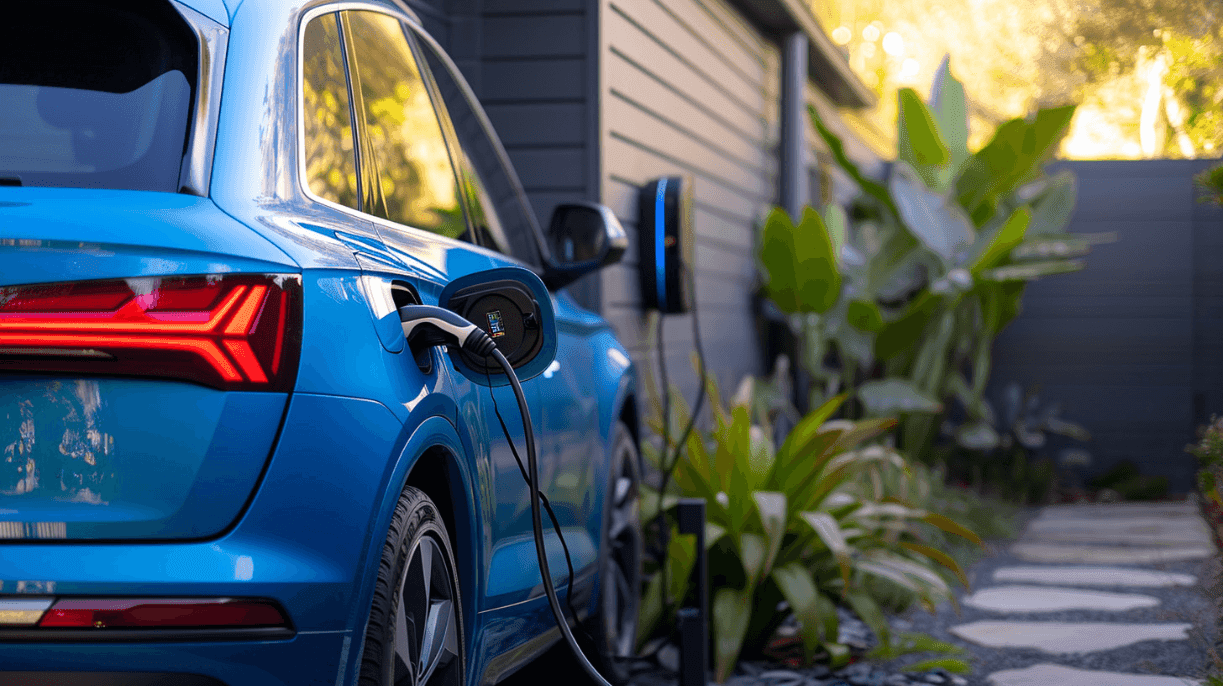
Government incentives are designed to lower the upfront costs of electric vehicles (EVs) and make them more appealing to consumers. With significant financial assistance, buyers can explore EV options without the pressure of financial constraints, knowing they have access to rebates and exemptions.
These incentives are playing a crucial role in encouraging the adoption of electric vehicles in Australia. Key programs include:
- NSW EV Rebate: Up to $3,000 for vehicles priced under $68,750.
- QLD Electric Vehicle Rebate: Provides $3,000 for EVs priced below $68,000.
- Fringe Benefits Tax (FBT) Exemptions: Salary-sacrificed EVs are exempt from FBT, making them an attractive option for businesses and employees.
- Reduced Registration Fees: Discounts on vehicle registration fees depending on the state.
- Discounted Road Taxes: State-specific discounts on road taxes for electric vehicles.
- Home Charging Infrastructure Incentives: Financial support for installing home charging stations.
In addition to these direct savings, EV ownership brings other long-term financial benefits, such as reduced fuel costs and lower maintenance expenses compared to traditional petrol vehicles. These combined savings make EVs a financially viable option for many Australians.
By providing these incentives, the Australian government is helping accelerate the transition to cleaner, greener transportation, reducing environmental impact while offering financial advantages for consumers and businesses alike.
The Latest Innovations in Electric Vehicles
The world of electric vehicles is rapidly evolving, with new innovations enhancing both performance and user experience. Key advancements include improved battery technology, which now allows for longer driving ranges, making EVs more practical for everyday use and long-distance travel.
Many modern electric vehicles can achieve ranges of over 500 kilometres on a single charge, alleviating range anxiety for drivers. This capability is essential as more consumers consider making the switch to electric. Alongside battery performance, fast-charging technology is improving, enabling EVs to charge in as little as 30 minutes at public charging stations.
Furthermore, new models are equipped with a range of smart technologies, such as advanced navigation systems and connectivity features that enhance the driving experience. These innovations cater to diverse needs; whether it’s a compact electric vehicle for urban commuting or an SUV for family trips, there's something for everyone.
Car manufacturers are also focusing on sustainable production methods, ensuring that the transition to electric mobility is environmentally friendly. As the market expands, consumers have more choices than ever within varying price ranges.
Researching and selecting the right model can empower buyers to make informed decisions about their electric vehicle future. To facilitate your transition, find a local professional installer who can help you with electric vehicle charging options suited to your needs.
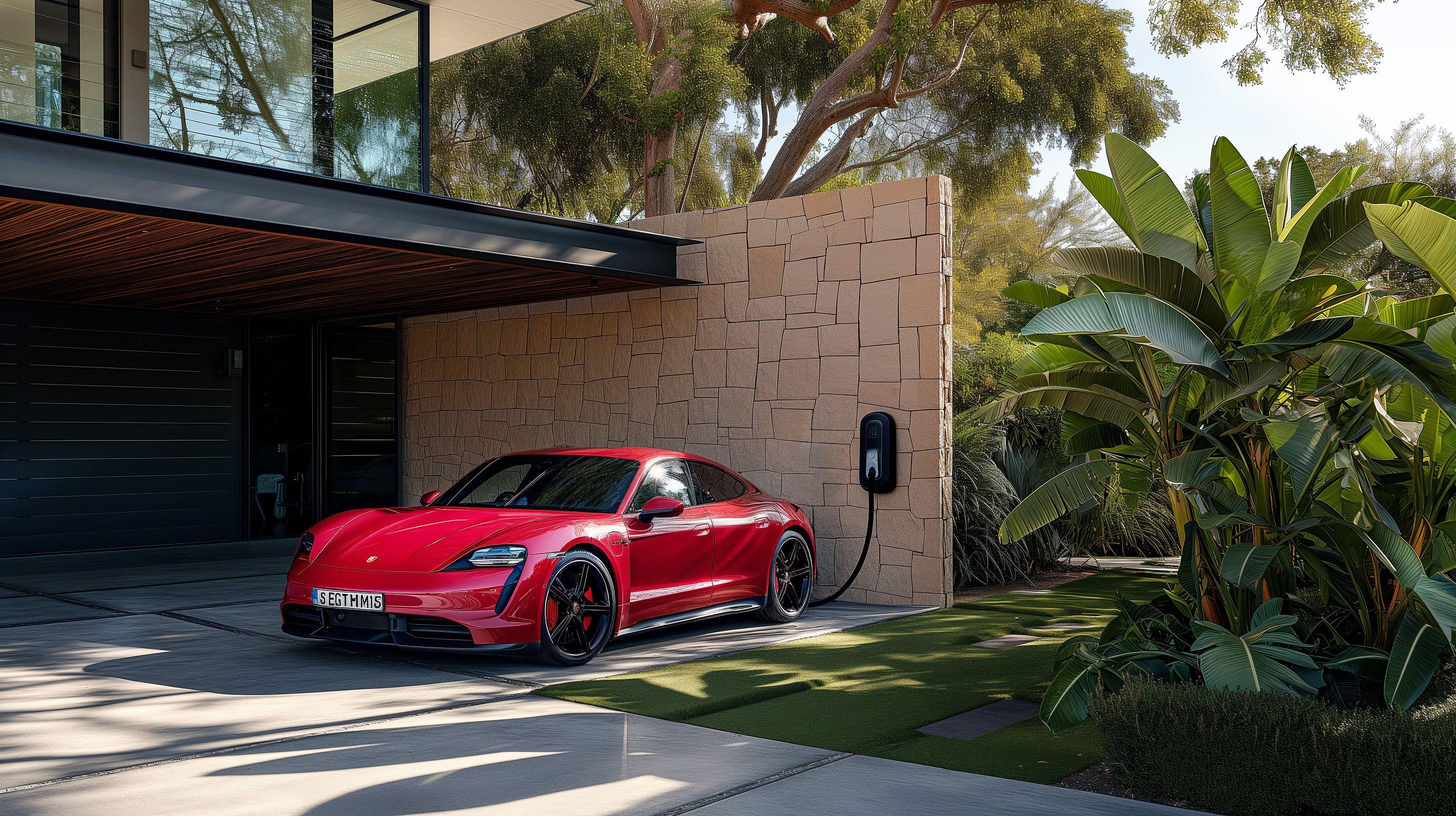
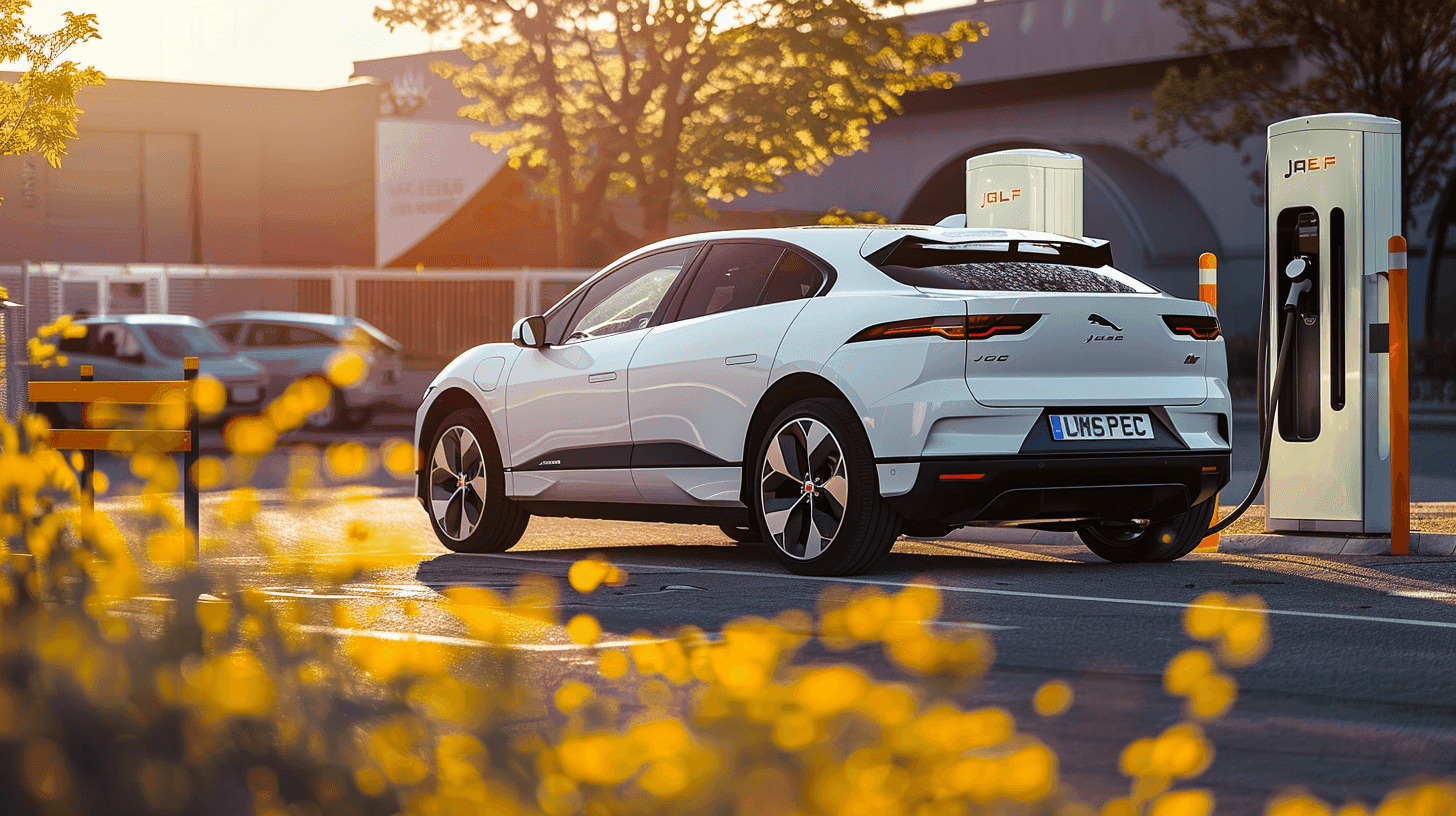
Navigating Local Charging Solutions: Finding EV Charging Stations Near You
As electric vehicle (EV) ownership grows, locating charging stations has become simpler and more efficient than ever. Mobile apps like PlugShare and Chargefox offer real-time information about charging station availability, helping drivers find the nearest spots quickly. Many apps provide user feedback and ratings, allowing drivers to evaluate stations based on their experiences.
With over 3,000 public chargers installed in Australia, EV owners now have access to a robust infrastructure that supports long-distance travel and daily commuting. Charging stations can often be found in public areas, shopping centres, and along major highways, enhancing accessibility for users.
For everyday needs, having a home charging solution offers drivers the convenience of charging overnight. Many willing homeowners opt for Level 2 chargers, which enable faster charging and allow efficient use of off-peak electricity rates—especially beneficial for those with solar power installations.
Additionally, companies are incentivised to set up EV charging stations for employees, fostering a green workplace and enhancing company image. As local councils and businesses support charging infrastructure development, the concerns surrounding EV charging facilities continue to diminish.
Equipping yourself with the right tools to find charging stations will ensure a seamless travel experience. If you’re interested in installing a home charger or setting up charging infrastructure, find a local professional installer with us for expert guidance tailored to your needs.
FAQ’s Electric Vehicles in Australia
How do electric vehicle charging stations work?
Electric vehicle charging stations work by supplying electric power to recharge an EV's battery, using various charging levels. Level 1 chargers utilise standard household outlets but provide a slow charging speed, often requiring over 20 hours for a complete charge. Level 2 chargers, which are preferable for home installations, reduce this time to around 4–8 hours, enabling daily use without concern. Lastly, Level 3, or DC fast chargers, can recharge about 80% of an electric vehicle's battery in just 30–60 minutes, ideal for public charging during longer journeys.
Are electric vehicle charging stations free?
Many charging stations offer complimentary charging services, often found at retail businesses or workplaces as an incentive for customers. However, the majority of public charging stations will charge fees, which typically range from $0.40 to $0.70 per kilowatt-hour (kWh). Users should be mindful of these costs and check pricing at various locations before charging to manage expenses effectively. Additionally, some networks may offer membership programmes that provide discounted rates for frequent users.
Can I charge my EV at home?
Yes, you can conveniently charge your electric vehicle at home, making it an attractive option for many Australian drivers. Installing a dedicated Level 2 charging station allows for faster recharging, which typically takes 4 to 8 hours, depending on the battery size. This overnight charging solution means that your EV will be ready to drive each morning, without the need to visit a public charging station daily. Remote monitoring capabilities on many chargers enable you to manage charging times and monitor energy consumption efficiently.
How much does it cost to replace an EV battery?
The cost to replace an electric vehicle battery can vary significantly depending on the vehicle's make and model, typically ranging from $5,000 to $10,000. The price may also fluctuate based on the technology used in the battery and where it is sourced from. Notably, most electric vehicle manufacturers provide warranties covering significant defects and capacity loss for around 8 years or 160,000 km, providing customers peace of mind for the battery's lifecycle. Consequently, careful consideration of the battery warranty and costs becomes vital for aspiring EV owners.
Is owning an EV cheaper than petrol-powered cars?
Owning an electric vehicle can be significantly cheaper compared to traditional petrol-powered cars, especially over the long term. While the initial purchase price may be higher, the operational costs associated with powering an EV are considerably lower, with charging often costing around $15 to $18 for a full battery. Additionally, the maintenance expenses are generally reduced by 30-50% due to fewer mechanical components and less frequent servicing needs. With government incentives and rebates further enhancing affordability, the financial advantages of transitioning to an electric vehicle become increasingly enticing for Australian consumers.
What are the best electric vehicles?
Some of the most notable electric vehicle models include the Tesla Model 3, Hyundai Kona Electric, and the MG ZS EV, each showcasing impressive efficiency and modern features. These vehicles excel in performance, aesthetics, and battery range—aiming to exceed expectations while enhancing the driver experience. The Tesla Model 3, for instance, is widely praised for its advanced technology and range capabilities, while the Hyundai Kona Electric offers practicality for everyday driving. Moreover, the market continues to expand, delivering more accessible options in various price ranges to appeal to Australian drivers.
Are there government rebates for EV buyers?
Yes, various Australian states provide rebates and incentives designed to encourage the adoption of electric vehicles. For example, the NSW EV Rebate offers up to $3,000 off eligible electric vehicle purchases, helping to negate the price disparity with traditional petrol cars. In addition to purchase rebates, some states also offer concessions on registration fees and road taxes, providing further financial relief to EV buyers. Such programs make the shift to electric more enticing and practical, supporting the government’s aim to reduce carbon emissions and promote sustainable transportation.
What is the average lifespan of an EV battery?
Electric vehicle batteries typically last between 8 to 15 years, depending on driving habits, environmental conditions, and charging practices. Factors like frequent fast charging and extreme temperatures can impact battery longevity, but many manufacturers offer warranties that cover capacity loss, often spanning 8 years or covering up to 160,000 km driven. Proper charging habits, such as avoiding complete discharges and using recommended chargers, can help extend the battery lifespan further. Because battery technology continues to advance, sustained improvements in longevity and performance are expected over the coming years.
How long does it take to charge an EV?
Charging times for electric vehicles can vary significantly based on the charger type. Level 1 chargers, which use standard outlets, can take over 20 hours to fully charge an electric vehicle, making them less practical for daily use. Level 2 chargers, which are common in home installations, typically charge an EV in approximately 4 to 8 hours, suitable for overnight convenience. In contrast, Level 3 DC fast chargers are designed for quick charging and can deliver around 80% battery capacity in as little as 30 minutes, making them the ideal choice for longer road trips.
Can solar panels power an EV?
Absolutely! Incorporating solar panels into your home energy system can significantly reduce the cost of charging your electric vehicle. By generating your own energy, you can essentially power your EV with clean, renewable solar energy, contributing to a lower carbon footprint. Many Australian homeowners are now integrating solar panel installations with home charging stations to maximize energy efficiency, which not only helps in saving on electricity bills but can also add value to your home in an environmentally conscious market.
What maintenance does an EV require?
Electric vehicles are generally low-maintenance vehicles when compared to petrol cars, which typically have numerous mechanical parts. Nonetheless, EV owners should routinely check brake performance, battery health, and tyre pressure to ensure optimal operation. Most electric vehicles also require software updates to enhance performance and safety features efficiently, ensuring that the vehicle runs smoothly. Because they lack traditional engine components, EVs typically incur lower maintenance costs, making them appealing to cost-conscious consumers.
How does an electric vehicle perform in cold weather?
Electric vehicles can operate effectively in cold weather conditions, although battery efficiency may decrease as temperatures drop. Many manufacturers are enhancing battery technology to improve performance in extreme conditions, ensuring that EVs remain reliable in Australia's varying climates. It is worth mentioning that electric vehicle heating systems can draw power from the battery, which may reduce range in colder temperatures. However, advancements in thermal regulation and battery technology continue to improve performance, ensuring drivers remain confident in winter conditions.
Can EVs tow trailers like traditional vehicles?
Yes, many electric vehicles are designed to tow trailers, often matching traditional petrol cars in towing capacities. However, it is crucial to check your specific model’s towing specifications, as different EVs come with varying capabilities depending on battery size and motor power. For example, models like the Tesla Model X and Ford Mustang Mach-E are known for their high towing capacities, making them versatile options for drivers needing towing capabilities. Therefore, understanding the specifications of your EV can help you assess how it meets your travel needs.
What is the charging capacity of home EV chargers?
Home EV chargers, particularly Level 2 chargers, typically provide a charging capacity that ranges from 3.7 kW to 22 kW. The higher the kilowatt rating, the faster your electric vehicle will charge. Selecting the appropriate home charger depends on your driving habits and the energy capacity of your home electrical system. It’s essential to consult with an electrician before installation, ensuring that you choose the best charger to maximise your home's electrical benefits and your vehicle’s performance.
How can businesses benefit from EV installation?
Businesses that install electric vehicle charging stations on-site stand to gain significant advantages, including attracting new customers and supporting employees who drive electric vehicles. Providing charging infrastructure can enhance a company's reputation as an environmentally responsible organisation, increasing customer loyalty. Additionally, many states offer financial incentives for businesses that set up EV charging stations, helping to offset installation costs. Ultimately, embracing electric vehicle charging can be a valuable investment for commercial business ventures aiming to appeal to modern drivers.
Are there electric vehicle maintenance training courses available?
Yes, numerous training programmes exist in Australia aimed at educating technicians in electric vehicle maintenance and servicing. These courses cover essential topics such as battery technology, system diagnostics, and safety protocols, equipping participants with the knowledge to handle EV servicing. As the EV market continues to grow rapidly, training opportunities allow professionals to stay competitive in an evolving landscape, ensuring they possess the skills needed to support the increasing number of EVs on the road.
What should I look for when buying an electric vehicle?
When considering an electric vehicle, multiple factors should inform your decision. Battery range is crucial, as it affects how far you can travel before needing a charge, making it essential to align it with your driving habits. Additionally, evaluate available charging infrastructure in your area, ensuring you have a reliable means to recharge your vehicle. Finally, understanding the overall vehicle price—including rebates, insurance, and ongoing maintenance—can significantly assist you in making an informed decision.
How can I find charging stations while travelling?
Finding charging stations during your travels has never been easier, thanks to a plethora of mobile applications. Apps like PlugShare and Chargefox provide comprehensive maps that show real-time data about charging station availability, along with user reviews and ratings for charging experiences. By utilising these tools, drivers can map out their trips efficiently, ensuring they have access to reliable charging points while on the road. This capability provides peace of mind for electric vehicle owners who want to explore without concerns of running low on battery.
What is a novated lease for electric vehicles?
A novated lease is a three-way arrangement involving the employee, their employer, and a financing provider, providing a convenient means of obtaining a vehicle, including electric vehicles. This arrangement enables employees to finance their vehicles through salary packaging, effectively reducing their taxable income. Consequently, this financial benefit can make electric vehicle ownership more affordable and offers a distinct advantage to employees who want to go electric. Understanding the nuances of a novated lease can help you decide if it's the right option for your situation.
Are there public charging stations available in rural areas?
Yes, public charging stations are steadily being established in rural areas in Australia as the government continues to promote electric vehicle adoption. Various local councils and organisations work diligently to install charging facilities, ensuring that electric vehicle users can travel to more remote regions with confidence. The expansion of infrastructure helps allay the concerns potential EV buyers may have about road trip practicality. As infrastructure improves, rural driving will become increasingly viable for electric vehicle owners.
* The information, prices, or data on this page are up-to-date as of 2025 and may be AI generated. Also, some the images you see here might be AI-generated and are included purely for illustrative purposes.