
Home Solar Batteries in Australia
Australia’s solar revolution is being supercharged by the rapid uptake of residential battery storage. To date, households have installed 126,259 solar batteries, delivering a combined 1,506,681 kWh of energy capacity and around 800,889 kW of discharge power. These systems allow homeowners to store excess solar energy during the day for use in the evening, reduce reliance on the grid, and provide backup during blackouts. On average, a typical battery offers 11.9 kWh of usable storage with around 6.3 kW of discharge power— enough to cover much of a household’s peak evening demand. Many Australians begin with rooftop solar and later add a battery when feed-in tariffs decline, evening electricity use rises, or when backup power becomes a priority.
Adoption varies by state. South Australia leads the nation with 39,585 batteries installed, accounting for more than 505,000 kWh of stored capacity. Queensland follows with 25,704 systems (314,676 kWh), while Victoria contributes 17,460 installations with the highest average system size at 15.1 kWh per battery. New South Wales has installed 14,064 batteries with a combined 174,887 kWh capacity. Interestingly, Tasmania shows the largest average storage size per installation at 26.1 kWh—more than double the national average—reflecting its smaller but high-capacity deployments. Battery technology is transforming the way households interact with their solar systems. By enabling solar self-consumption, improving energy independence, and easing grid demand during peak times, batteries are quickly becoming the next major step in Australia’s clean energy journey. As costs fall and government programs expand, battery adoption is set to accelerate in the years ahead
Battery Storage Quick Facts


Battery Storage by State

Want Solar Finance Options?
Compare lenders and get tailored loan offers.
Solar Batteries
Powering Your Home's Future:
A Guide to Solar Batteries in Australia
Solar batteries are driving a quiet revolution in Australian homes, turning rooftop solar into true energy independence. As the demand for cleaner, cheaper power soars, more Aussies are searching for the perfect “solar batteries” to store and use their self-generated electricity, day or night. Whether you’re comparing solar batteries cost, searching for rebates, or exploring installation options, understanding where solar batteries fit in your energy journey can maximise the return on your solar investment.
The right home battery solar system provides more than backup—it boosts your household’s self- sufficiency and helps cut power bills, especially when paired with solar panels. With energy costs rising and better incentives now available, solar batteries for home use have become a practical upgrade, letting families store excess energy and use it when the sun’s down. But there’s much to consider: Should you opt for a home battery for solar integration? What are the typical solar battery prices in Australia, and how do local rebates work? From the basics of solar battery storage to installation advice and common questions, this guide unpacks everything Australians need to know about harnessing stored solar power for a cleaner, cost-effective future.
Learn more about solar batteries for your state & suburb:
The Essentials:
What Are Solar Batteries & Why Do Homes Need Them?
Solar batteries are energy storage systems designed to capture and hold excess electricity produced by your solar panels. Instead of sending surplus power back to the grid (often for a low feed-in rate), a solar battery lets you use that stored energy later—like after sunset or during grid outages. Home battery solar solutions are perfect for households that aim for energy independence and want to reduce reliance on expensive grid electricity.
Typical home battery for solar installations use lithium-ion technology, valued for safety, efficiency, and long lifespan. Most Australian homes choose storage sizes ranging from 5kWh to 15kWh, depending on daily usage and solar system size. Beyond savings, solar battery storage also empowers you with backup power during blackouts, providing peace of mind. Modern solar batteries are scalable and can be integrated with solar battery storage systems for even greater flexibility. This ability to store, manage, and use your own renewable energy is why interest in solar batteries for home continues to grow.
Solar Batteries Cost:
What's the Investment in Australia?
Understanding solar batteries cost is key for any homeowner considering this upgrade. For most homes, the upfront solar battery price ranges from $5,500 to $15,000—depending on brand, storage capacity, and whether it’s bundled with a new solar system or retrofitted. On average, solar batteries for home cost about $900–$1,400 per kWh of usable storage. Installation, hardware, and electrical upgrades can affect the total price.
Prices vary across regions and brands. For instance, a 10kWh home battery solar system may cost around $10,000–$13,000 fully installed. The final figure will depend on your battery’s capacity, chemistry (lithium-ion is most common), inverter compatibility, and whether additional components like smart monitoring are included. Over recent years, solar batteries prices in Australia have gradually declined, and ongoing government support is lowering net out-of-pocket costs further.
Solar Battery Rebates & Incentives:
Making the Numbers Work
Solar battery rebate programs are available across many states to make the switch to stored energy more affordable. The solar battery rebate NSW and other state schemes in Victoria, South Australia, Queensland, and Western Australia offer eligible households thousands in savings. For example, the NSW Home Solar Battery Guide provides rebates up to $2,400 for approved installs, with different requirements in each state.
Eligibility usually depends on factors like your location, type of property, or income. Many solar batteries rebate programs can be combined with additional low- or zero-interest loans to help spread costs. These incentives aim to increase battery uptake and ensure more homes reap the benefits of solar battery storage. Before committing, always check your state’s current solar battery rebate program and requirements to maximise your return on investment.
Home Battery Solar Systems:
Choosing the Right Setup
A home battery solar system isn't one-size-fits-all. Choosing the right solar battery storage solution depends on your household energy usage, whether you want backup for blackouts, your budget, and local network rules. Many Australians opt for packages bundling panels, inverters, and batteries, ensuring seamless solar-to-storage performance. Others retrofit solar battery storage to an existing rooftop system.
Popular options include AC-coupled batteries (easier to retrofit) and DC-coupled batteries (recommended for new builds). Installation should always be handled by accredited professionals to guarantee system safety and secure your eligibility for rebates and warranties. For homeowners ready to upgrade or new builds wanting future-proofed power, find a local professional installer with us for expert guidance tailored to your needs.
FAQ- Solar Battery
1. What are solar batteries and how do they work in the home?
Solar batteries are energy storage devices that capture excess electricity generated by your home's solar panels during the day. Instead of exporting surplus energy back to the grid, a solar battery stores this power for use at night or during cloudy weather, increasing your household’s self-sufficiency. Solar batteries for home allow you to use more of your own solar energy, reduce reliance on expensive grid electricity, and provide power during blackouts. Most systems in Australia use lithium-ion technology for safety, efficiency, and long lifespan. As solar batteries gain popularity, they’re becoming essential for households seeking energy independence and long-term savings.
2. How much do solar batteries cost for a typical Australian house?
Solar batteries cost between $5,500 and $15,000 for a standard residential installation in Australia, depending on the battery’s capacity (measured in kilowatt-hours, or kWh), brand, and whether it’s bundled with a new solar system or retrofitted. On average, solar battery prices work out to $900 to $1,400 per usable kWh installed. Factors influencing your solar batteries cost include installation complexity, location, and system integration. While the upfront solar battery price may seem significant, falling hardware costs and available solar battery rebates in states like NSW and Victoria make these solutions increasingly affordable for many Australian families.
3. What affects solar battery prices and cost in Australia?
Solar battery prices in Australia depend on several factors, including the total storage capacity, battery chemistry (with lithium-ion being the most popular for home battery solar use), the installer’s labour rates, and whether you choose a premium or entry-level brand. Regional differences mean your solar battery cost in Adelaide or Perth may differ from other cities due to installer availability and local incentives. Bundled packages that combine solar battery storage with new panel installations may offer better value. Additional hardware such as smart inverters or integrated monitoring can also influence your home battery solar system price.
4. Are there government rebates for solar batteries in Australia?
Yes, there are multiple solar battery rebate programs available in Australia to help reduce your out-of-pocket home battery solar costs. Programs like the solar battery rebate NSW, Victoria’s Solar Homes rebate, SA’s Home Battery Scheme, and incentives in QLD and WA can save eligible homeowners several thousand dollars on their solar battery installation. These solar battery rebates usually depend on factors including system size, income, property location, and the use of accredited installers. Always check the latest eligibility requirements for your state, as rebate rules and funding can change over time.
5. What’s the payback period for solar batteries in a typical home?
The typical payback period for solar batteries ranges from 7 to 12 years for most Australian households, depending on electricity usage, the size of both your solar system and the solar battery storage, and available local rebates. In areas with high power bills, low feed-in tariffs, and frequent outages, adding home battery solar systems provides quicker returns. While solar batteries cost upfront, the ability to use more of your own clean, cheap energy and protect yourself from rising network rates makes them a smart investment for many. Careful analysis of your bills and incentives can help calculate your unique payback period.
6. How do I choose the best solar battery for my home?
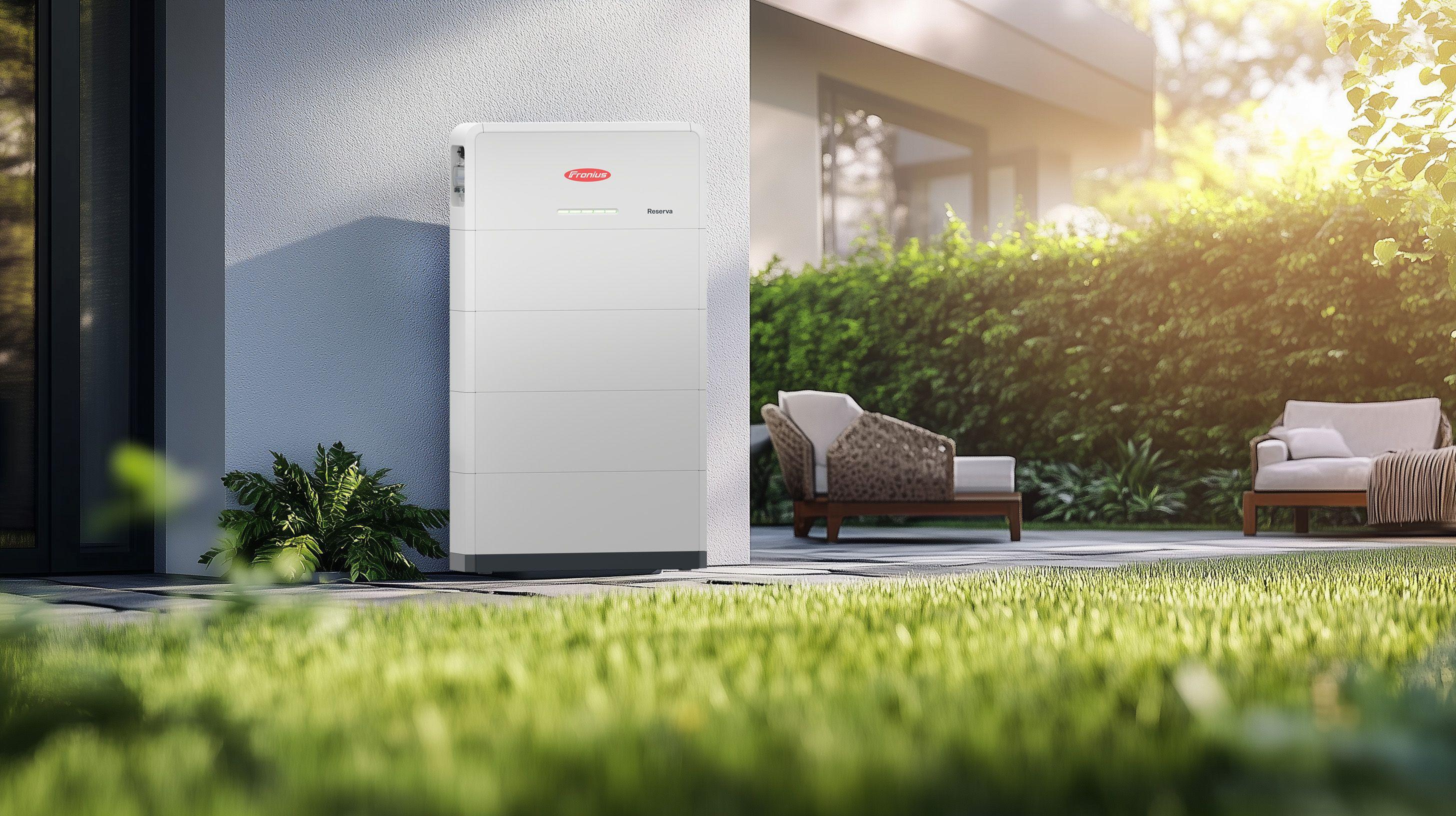
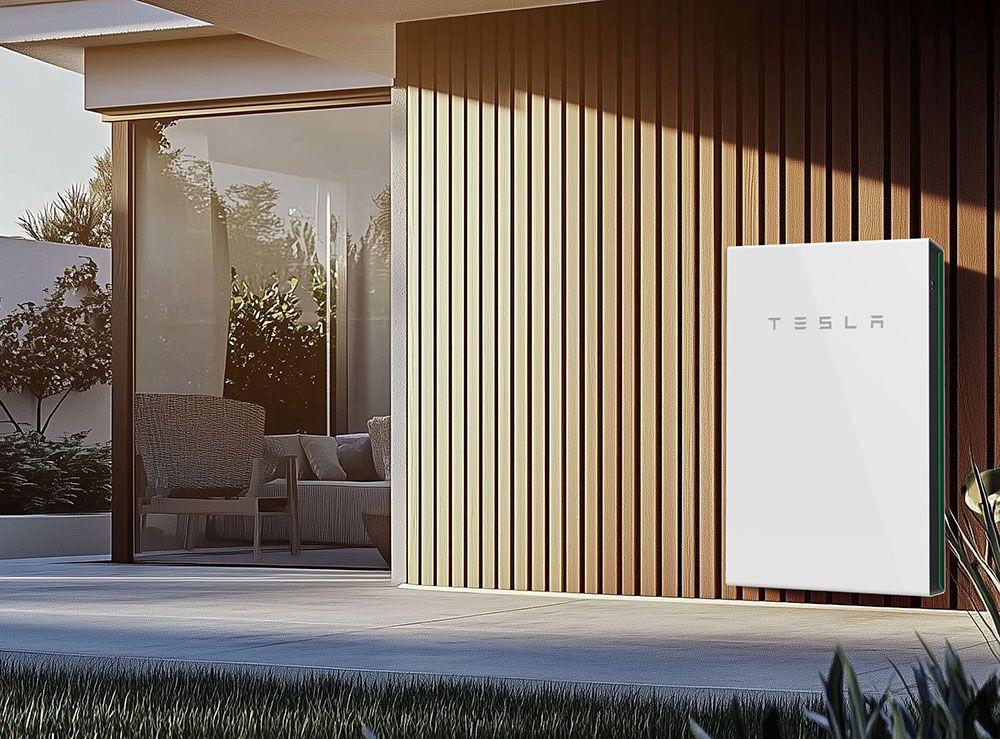
Choosing the best battery for your home involves considering your average daily energy use, desired level of backup (e.g., what appliances must stay on during an outage), solar batteries cost, available storage space, and your budget. Review products for their warranty (most offer at least 10 years), round-trip efficiency, compatibility with your current inverter, and smart features like app-based energy monitoring. Leading battery brands in Australia—including Tesla, Fronius, BYD, Sonnen, and others—offer a range of home battery solar storage solutions. Always consult with a trusted, accredited installer to compare options and design the optimal home battery solar setup.
7. Can I add a solar battery to my existing rooftop solar system?
Yes, you can add a home battery for solar to most existing rooftop solar panels in Australia. Most installers recommend an AC-coupled battery for retrofits, as it can connect directly to your home’s electrical circuit without changing your existing inverter. Some older solar systems may require upgrades to work with modern solar battery storage, such as switchboard modifications or a new inverter, so always get a professional assessment. Adding solar batteries for home use improves your solar self-consumption, reduces ongoing electricity costs, and adds valuable backup power when you need it most.
8. What’s the difference between AC-coupled and DC-coupled solar battery systems?
AC-coupled solar battery systems connect to your home’s standard AC power supply and are easy to retrofit to existing solar panels, making them popular in Australia. DC- coupled batteries connect directly to the solar inverter, and are more efficient for new solar and battery installations. Each system has its pros and cons: AC-coupled options are simple and compatible, while DC-coupled systems may offer slightly higher efficiency and are ideal for new builds. When planning a home battery solar system, your installer can advise which type of solar battery storage best suits your situation, budget, and energy goals.
9. How long do solar batteries last, and what does the warranty cover?
Most modern solar batteries have a lifespan of 10 to 15 years when used under typical residential conditions. Most brands offer a 10-year warranty covering the battery, parts, and usually a minimum guaranteed energy throughput or number of charge-discharge cycles (often 6,000+). This means your home battery solar setup should provide reliable solar battery storage for a decade or more if installed correctly. Always check the specific terms of your warranty, including conditions for capacity retention, and ask your installer to outline what’s required for ongoing warranty compliance and safety.
10. What’s involved in solar battery installation in an Australian home?
Solar battery installation involves a site assessment, system selection, hardware and switchboard upgrades if required, and professional electrical work by a Clean Energy Council-accredited installer. Most installations are completed in a single day, but complex upgrades or larger home battery solar systems may take longer. Installation costs typically make up 30-40% of the total solar batteries cost. After setup, your installer will show you how to monitor and maintain your battery. Always use a licensed and accredited local installer to safely access rebates and get the most out of your home battery for solar power.
11. Are solar batteries reliable for backup power during blackouts?
Yes, solar batteries for home use provide reliable backup during power outages if your system includes backup functionality. In the event of a grid blackout, your solar battery solar storage automatically switches to power essential appliances and dedicated household circuits. The amount of backup depends on the battery’s capacity—larger solar battery storage systems can run more appliances and for longer. With energy shortages and storms more frequent in some areas, reliable backup capability is one of the top reasons Australian homeowners choose to invest in solar batteries for their home energy security.
12. How do solar batteries compare to fuel-powered generators as backup?
Solar batteries for home are a clean, quiet, and low-maintenance backup solution compared to traditional fuel-powered generators. While generators need petrol or diesel, produce noise, and emit pollution, solar batteries use stored solar energy, making them better for the environment and household air quality. Solar batteries activate automatically during blackouts and can be monitored by app, offering seamless backup to your crucial appliances. Though the initial solar batteries cost is higher, many Australians prefer home battery solar storage for energy security, independence, and lower environmental impact over time.
13. Can I get a solar battery rebate in NSW or other states?
Yes. Solar battery rebate NSW, Victoria, South Australia, Queensland, and Western Australia offer specific rebates and loans to help with solar battery installation costs. For example, the NSW Home Battery Guide provides rebates up to $2,400 for eligible homes, while south Australia’s Home Battery Scheme allows for significant discounts. Eligibility usually varies by your location, home energy use, and choice of accredited installer. Always review your state’s latest solar batteries rebate program, as funding, conditions, and rebate amounts may change depending on government policy and budget allocation.
14. Which solar battery brands are most popular in Australia?
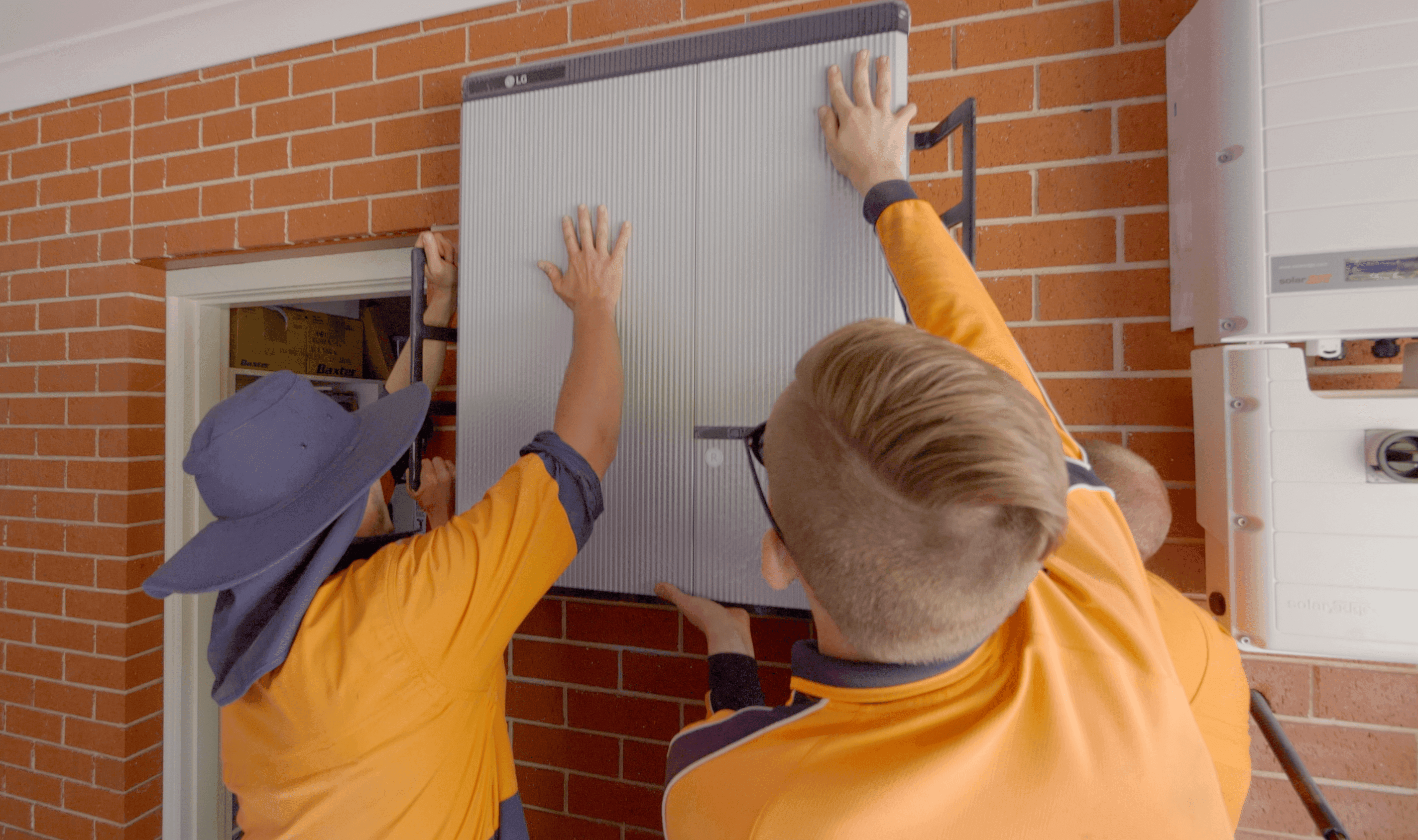
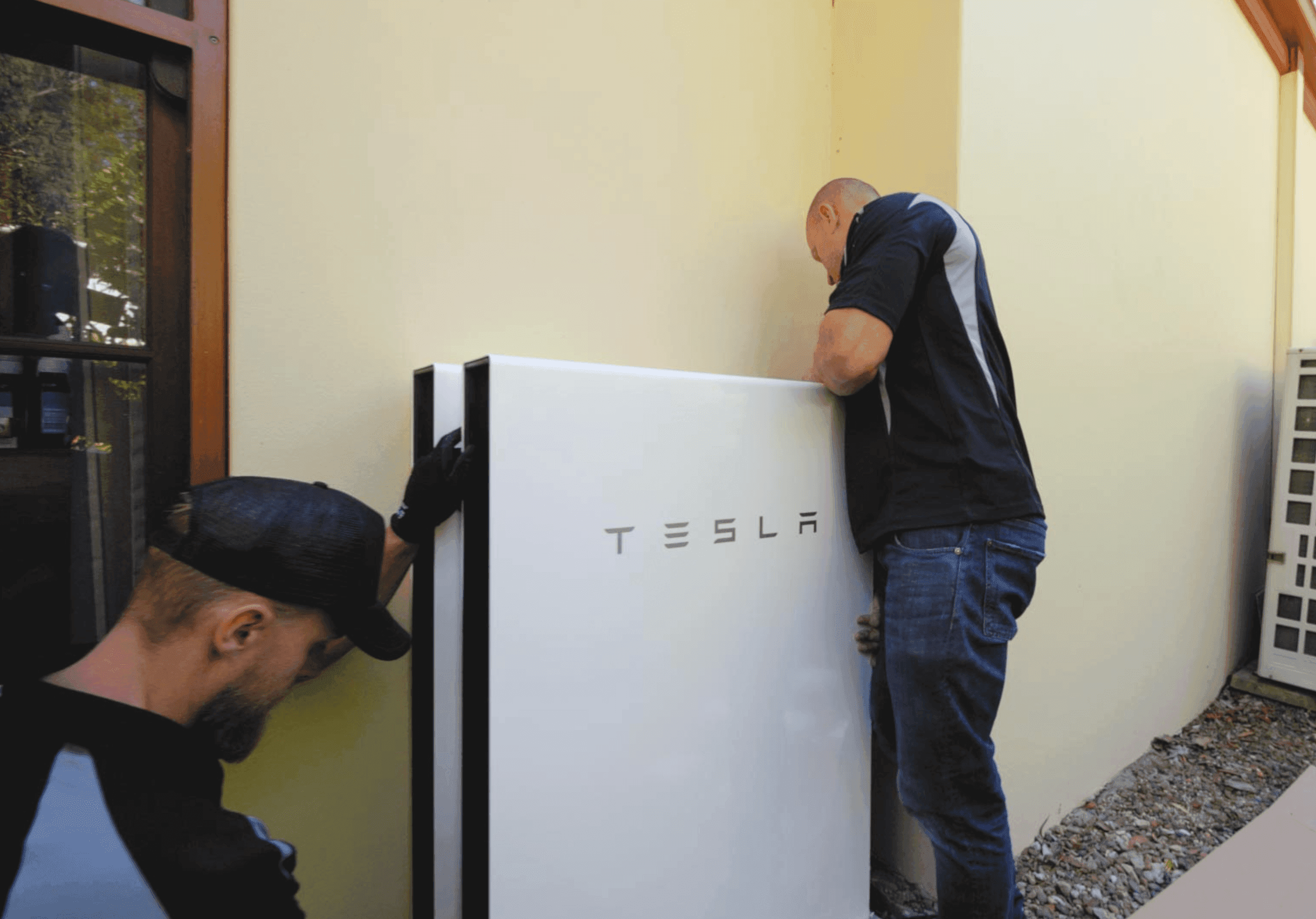
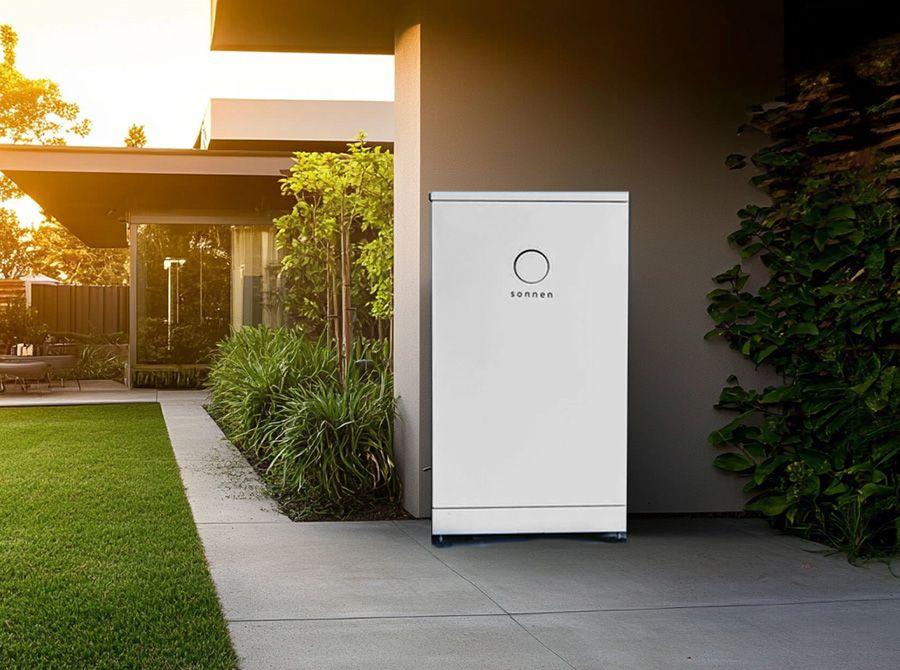
Some of the most popular solar battery storage brands in Australia include Tesla (Powerwall), LG Chem RESU, BYD, Sonnen, and Alpha ESS. These brands offer a variety of home battery solar systems in a range of sizes, features, and price points. While many Australians search for Tesla or LG, other options may better fit your specific needs or budget. When considering a solar battery for home, it’s important to compare factors like warranty, capacity, system integration, and local support rather than focusing solely on brand name or marketing claims.
15. Do solar battery storage systems require a lot of maintenance?
Solar batteries designed for home use in Australia are very low maintenance. Most require only regular monitoring through a smartphone app or display to check state-of- charge and system health. Accredited installers may recommend an annual system health check for safety. Lithium-ion home battery systems have no moving parts and are designed to operate safely in Australian climates. Keeping the unit clear of dust and debris ensures optimal performance. Modern solar battery storage comes with remote diagnostics and firmware updates, so you can enjoy peace of mind and reliable, long-term operation with minimal fuss.
16. How do you apply for a solar battery rebate or incentive scheme?
To access a solar battery rebate or incentive, first check the eligibility criteria with your state government’s energy office. Most programs require you to use an accredited local installer for your home battery solar system and to choose approved products. Your installer usually helps with all paperwork and submissions, ensuring your installation complies with scheme conditions. Documentation may include proof of ownership, energy bills, and completed technical forms. Solar battery rebates NSW and VIC can save thousands, but be aware that funding is often allocated on a first-come, first-served basis and can run out unexpectedly.
17. Are solar batteries safe for installation and use in the home?
Yes, today’s solar battery systems use advanced lithium-ion technology and strict safety standards, making them safe for residential installation. Solar batteries for home feature robust fire-resistance, automated electronic safeguards, and safe battery enclosures. Accredited installers follow detailed guidelines to ensure correct wiring, secure mounting, and effective ventilation. Choosing a reputable installer and high-quality battery brand further reduces any risk. Regular online monitoring provides early detection of issues, and in Australia, strict regulations govern installation practices for solar battery storage. Always seek a Clean Energy Council-accredited installer for the safest outcome.
18. What are the main benefits of adding solar batteries to a home solar system?
Adding solar batteries storage to your home brings several key benefits: increased self-consumption of your rooftop solar energy, lower electricity bills, backup power during blackouts, and protection against rising grid prices. Solar batteries cost less over their lifetime thanks to government rebates and dropping hardware prices. They also future- proof your home for upcoming tech like electric vehicles and smart grids. Many Australians value the energy independence a home battery solar system offers, letting them control their power use and contribute to a more sustainable, reliable local electricity network.
19. How do solar batteries help reduce household electricity bills?
Solar batteries help homeowners increase the percentage of their solar energy stored and consumed on site, rather than sold via grid feed-in tariffs (which are usually lower than the price of power bought from the grid). By using stored solar at night or in the early morning, solar batteries for home systems lower grid usage and reduce exposure to peak tariffs. This strategic use of solar battery storage can save hundreds of dollars each year, making your investment in solar batteries cost effective, especially in areas with high power prices or time-of-use billing.
20. Is a solar battery system a good investment if I want to charge an electric vehicle at home?
Yes, a home battery solar system can be a strong investment for future or existing electric vehicle (EV) owners. Solar batteries let you store excess daytime solar electricity, which can then be used to charge your EV at night or during peak periods. This means you’ll drive on cheaper, cleaner solar power and avoid even higher retail electricity rates. As Australian EV uptake accelerates, pairing solar batteries for home with rooftop panels will help you maximise energy independence and savings while supporting a cleaner, greener transport system.