


Kona Electric
HYUNDAI
Kona Electric Introduction
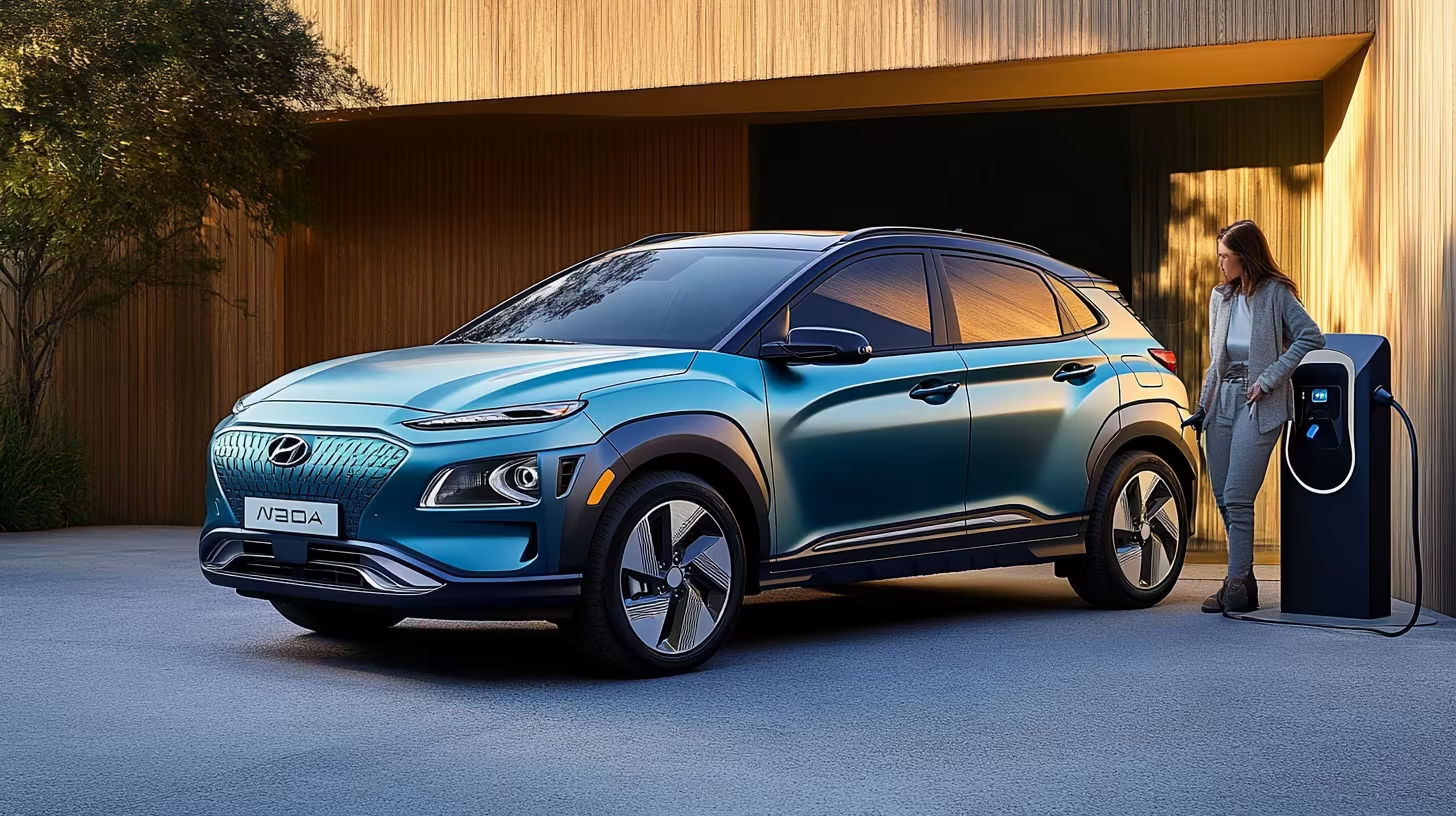
he Hyundai Kona Electric is one of Australia’s bestselling compact EVs, offering zippy city driving, a surprisingly spacious cabin, and strong value with a solid dose of modern technology. Available in 2024 in Standard Range or Extended Range, as well as feature-packed trims like Elite, Premium, and N Line, the Kona Electric brings a bold, futuristic look and a practical 407L boot (seats up) to the driveway. Battery choices deliver up to 505km WLTP (Extended Range) and as much as 99kW or 150kW of power through the front wheels—making it as nimble as many petrol hatchbacks, but with instant torque and silent operation. Buyers enjoy dual 12.3-inch touchscreens, CarPlay/Android Auto, a choice of eight-year battery warranty, and five years unlimited kilometre support on the whole car.
Charging at home is straightforward with an 11kW EV, or use up to 100kW DC fast charging for 10–80% in just 45 minutes at public stations. Climate and comfort features include ventilated or heated seats (Premium/N Line), wireless phone charging, and a panoramic sunroof—unexpected luxury in the affordable EV segment. Safety is top-level, with adaptive cruise, lane keeping assist, AEB, and a 360-degree camera system; high-spec trims also get blind-spot cameras and remote parking. For city dwellers, university students, or small families looking to switch to electric, the Hyundai Kona Electric remains a tough act to beat for running cost savings and tech features.
Available models

Want Solar Finance Options?
Compare lenders and get tailored loan offers.
Kona Electric Performance & Power
Power and precision are hallmarks of the Hyundai Kona Electric, whether you opt for the Standard (99kW) or Extended Range (150kW) variant. Scott Collie (CarExpert) remarks, “There’s no neck-snapping surge of acceleration, but the way it performs is more in keeping with the higher-end petrol 1.6-litre turbo than the base 2.0-litre engine at city speeds.” The EV manages everything from quick overtakes to stop-start urban errands, with the Extended Range model zipping to 100km/h in just over seven seconds.
Philip Lord (Carsales) notes, “At one stage when rejoining the freeway... it was more a case of pedal to the floor and let it wind up to safely join the 110km/h traffic,” highlighting the Standard Range's adequate but not explosive performance. Regenerative braking now has improved feel but must be manually reset after every drive, and reviewers agree the suspension is smoother and more compliant than previous models. The heavier battery leads to a more settled ride, adding a sense of stability absent in entry-level petrol equivalents, with minimal fuss when handling roundabouts or city corners.
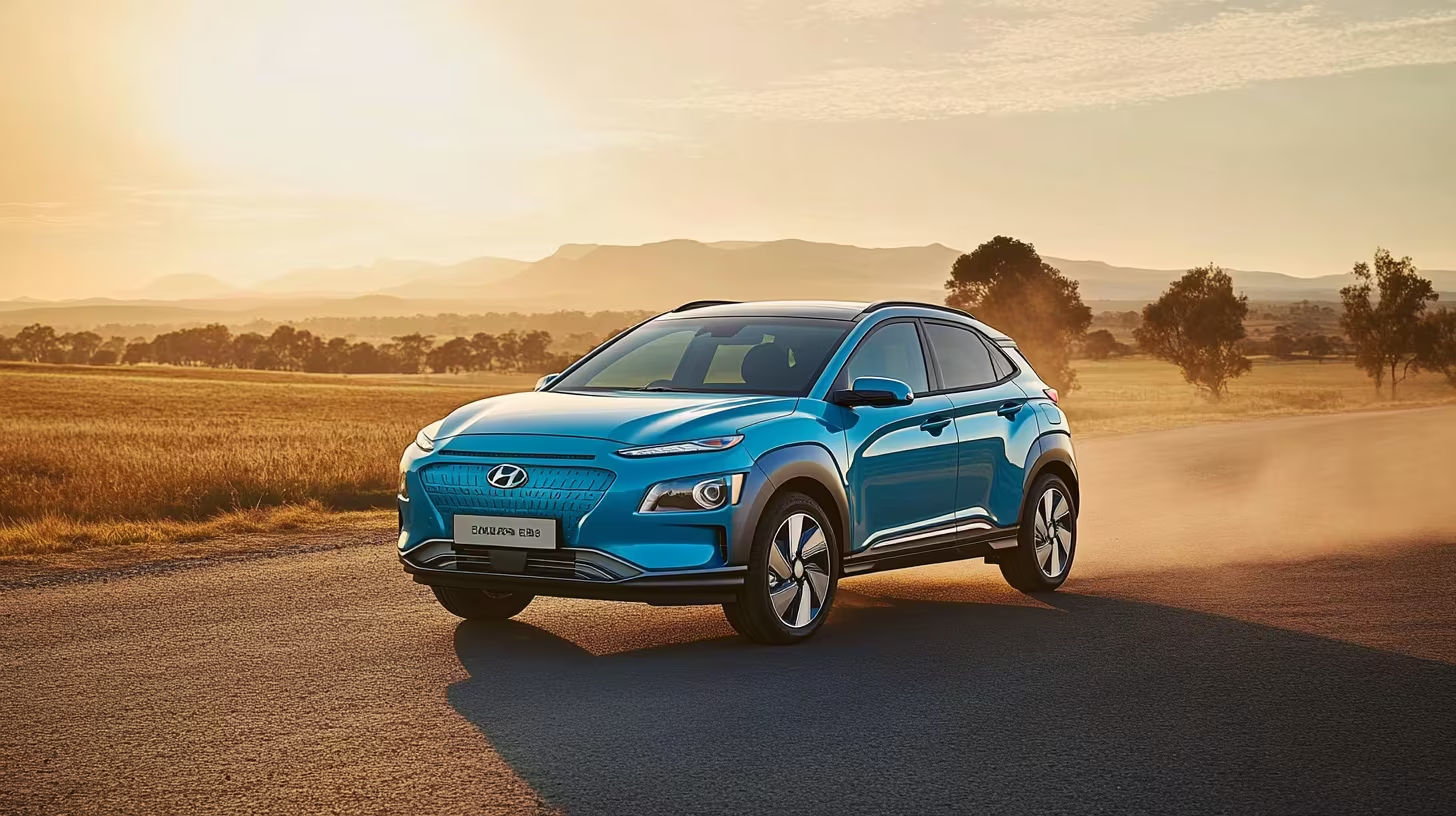
Kona Electric Interior & Design
Presentation in the Hyundai Kona Electric is eye-catching and practical, with the latest generation offering a more spacious, user-friendly, and upmarket feel than before. “Presentation is impressive across the range, and the fundamentals are solid,” says Scott Collie (CarExpert), while Philip Lord (Carsales) notes the “modern and spacious interior, which makes the cramped previous-generation car look very, very old.” The cabin centrepiece is twin 12.3-inch digital screens for infotainment and driving data, while Elite and Premium add climate-controlled synthetic or leather upholstery.
The flat centre console with hidden storage makes daily errands easy, and N Line trims feature extra bolstering, metallic highlights, and even 19-inch alloys for visual punch. Rear seating is roomier thanks to the longer wheelbase, though Lord notes that “the Standard Range feels a little dull and unimaginative” on basic trims, and some hard plastics remain for cost savings. Boot space is a practical 407 litres, easily accommodating groceries or gear, and expands for family road trips with a simple fold of the rear seats. A powered tailgate, panoramic sunroof, and heated rear seats (Premium) elevate comfort further.
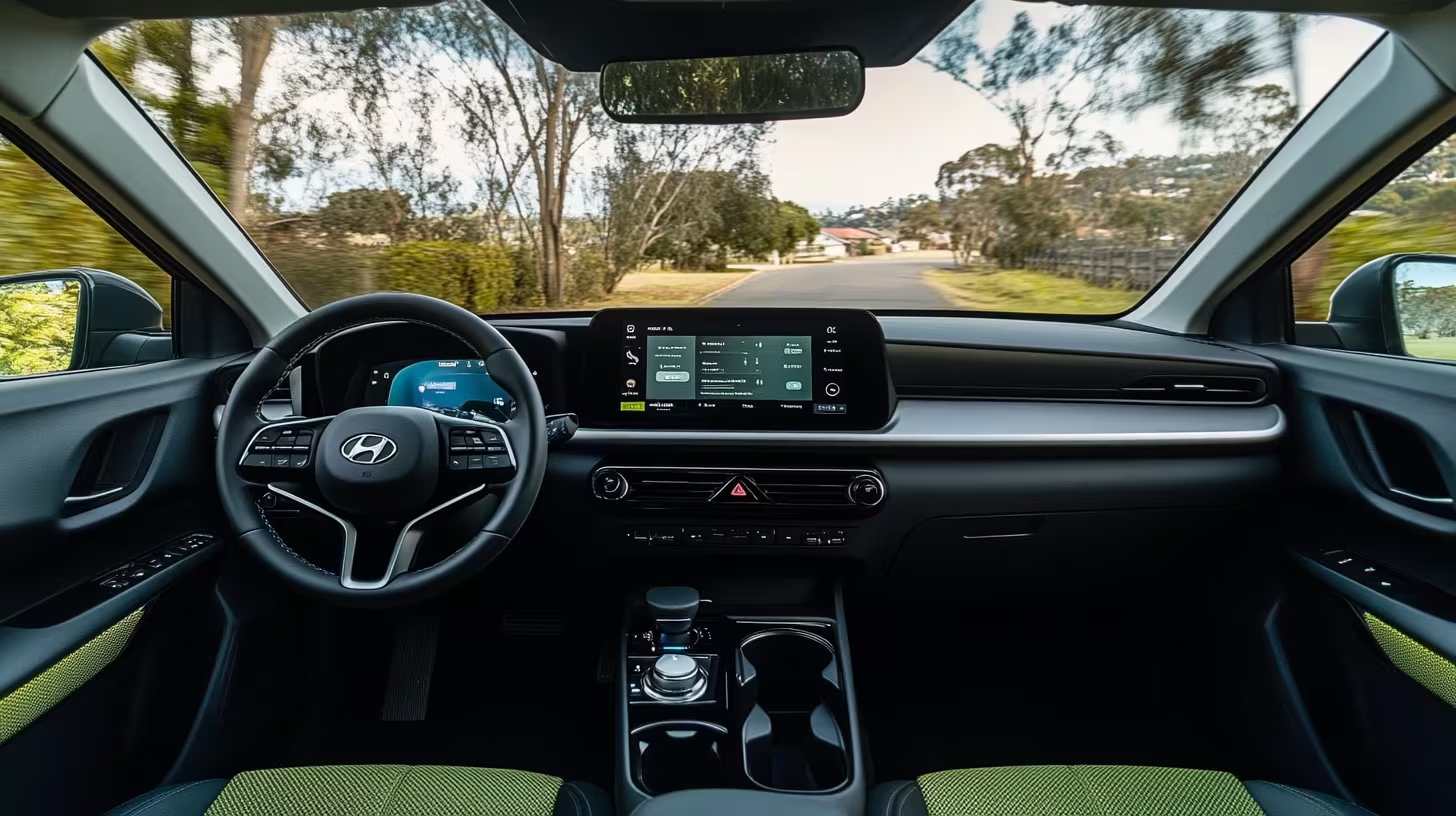
Kona Electric Technology & Safety
The Hyundai Kona Electric features segment-leading technology, including over-the-air updates, Bluelink remote services, and a clean digital dash. “Hyundai’s digital dashboard is clean and functional, but it’s not particularly feature-rich... you can’t have maps in your display,” says Scott Collie (CarExpert), flagging minor usability niggles. Every variant comes with adaptive cruise, auto emergency braking, lane keep, and blind-spot monitoring—contributing toward a 2023 4-star ANCAP safety rating (due to lower scores for vulnerable road users and safety assist).
Philip Lord (Carsales) mentioned the driver attention system was intrusive, occasionally beeping without reason, while active lane systems sometimes felt overly keen. Higher trims offer a surround 360-degree camera, premium Bose audio, head-up display, sunroof, and wireless charging—comforts often missing in similarly priced rivals. Despite some infotainment control quirks and lack of wireless phone mirroring if navigation is optioned, the Kona’s standard tech loadout outpaces most direct competitors, especially for the price.
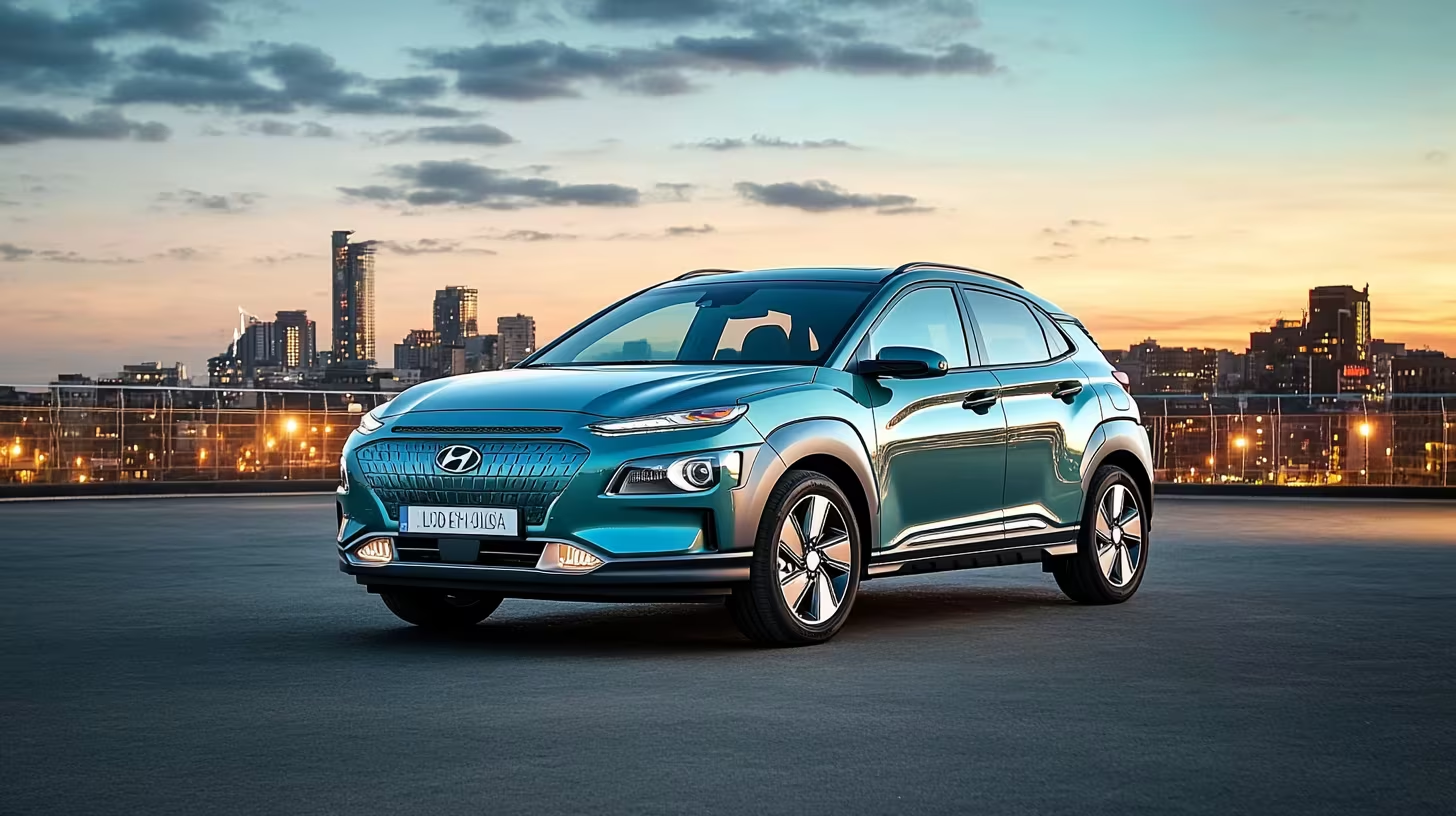
Kona Electric Range & Charging
The Standard Range Hyundai Kona Electric (48.6kWh) covers 370km WLTP, and Extended Range (64.8kWh) stretches to 505km, making both strong options for metropolitan and regional buyers. Philip Lord (Carsales) reports, “With its bigger battery pack, the Kona Electric Extended Range offers up to 505km on the WLTP cycle.” The car supports 11kW AC and up to 100kW DC charging, so owners can top up from 10–80% in about 45 minutes using a fast charger, or charge overnight at home on a EV.
Reviewers find real-world range often meets or beats official claims in urban conditions, especially with the heat pump and improved regen settings. Extended Range buyers consistently find they can do a week of city commutes between charging stops, versus every three to four days for the Standard Range. While not as rapid-charging as some luxury rivals, the Hyundai Kona Electric is one of Australia’s most efficient compact EVs and practical enough for family road trips. For a fuss-free charger setup, find a local solar installer here for a custom quote.
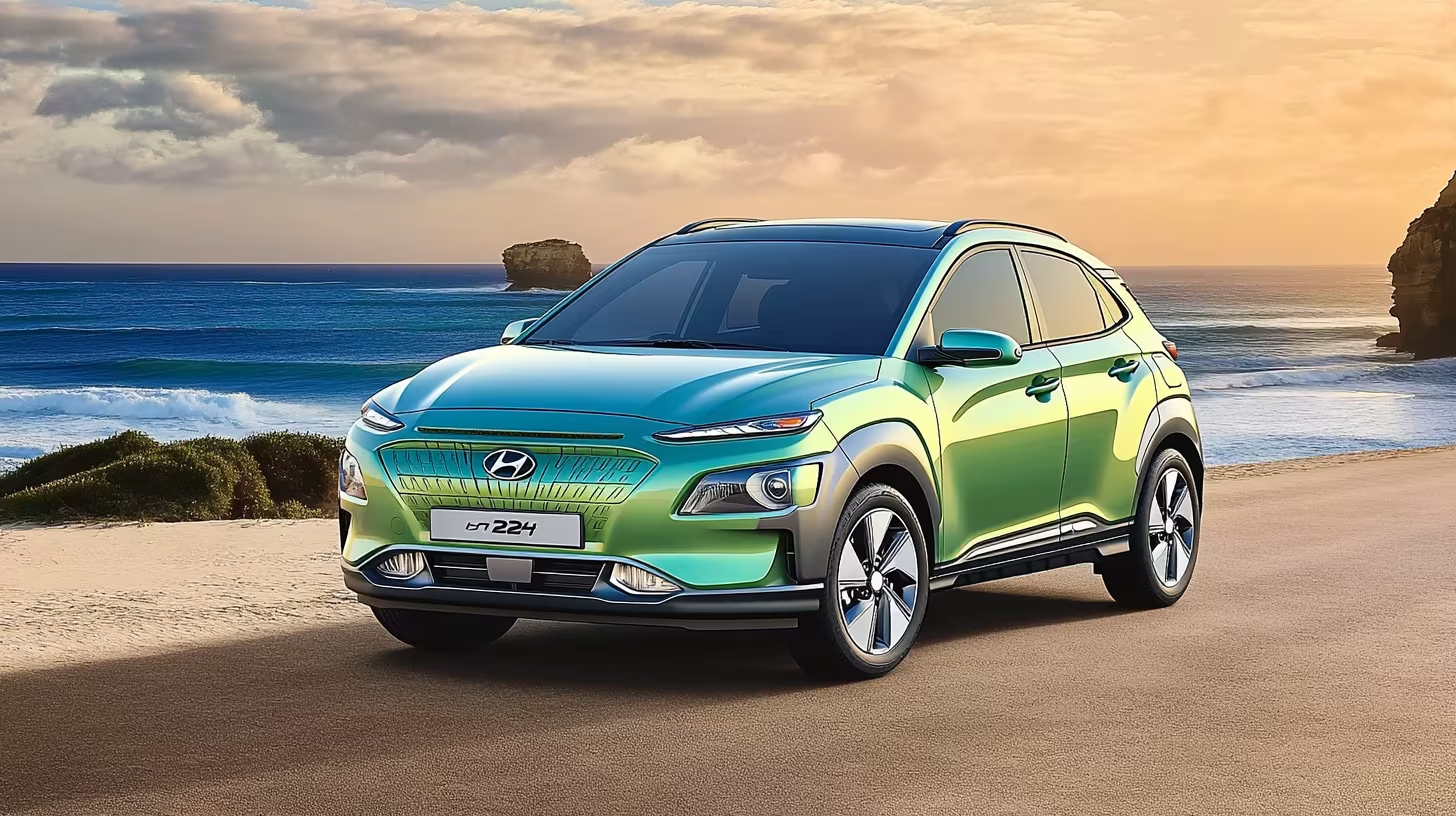
Kona Electric & Solar Power
Hyundai Kona Electric owners who pair home solar with smart AC EV charging can “fuel up” for the equivalent of just cents per kilometre, making this model one of the most cost-effective EVs to run. Most families with a solar array can fully recharge the Standard Range model using half a day’s output, and even the Extended Range is manageable in a sunny climate. Solar-ready EVes and timer apps allow for automated off-peak charging and seamless use of renewables.
Over a typical ownership cycle, households with solar and an EV can achieve payback on the panels and charger in around three years. Renters or apartment dwellers can still benefit by using off-peak rates and charging overnight, but home solar remains the best “fuel saver.” To see what you can save, ask for a solar-ready estimate or speak to a local solar expert.
FAQ - Hyundai Kona Electric
What is the price of the Hyundai Kona Electric in Australia?
Hyundai Kona Electric Standard Range starts from $54,000 drive-away, and the Extended Range model is $58,000, with N Line Premium Extended Range topping out at around $71,000 before on-road costs. "Hyundai Kona Electric price Australia" is a frequent search for new EV buyers, and government incentives may further reduce the drive-away price. Higher trims add features like Bose premium audio, panoramic sunroof, and heated rear seats. Always check with your local Hyundai dealer for updated offers and available configurations.
How far does the Hyundai Kona Electric drive on one charge?
The Standard Range Hyundai Kona Electric claims up to 370km (WLTP), while the Extended Range achieves up to 505km on a full battery—real-world results typically falling between 320km and 470km depending on city or highway usage. Australian reviewers note the car’s range meets or exceeds official claims in careful suburban use. Owners driving mostly in the city find charge intervals of five to seven days. Planning for a weekly public fast-charge keeps range anxiety at bay for most users.
How quickly can you charge a Hyundai Kona Electric at home or on the road?
A EV charger with 11kW AC fills the Hyundai Kona Electric overnight (about eight hours), while DC fast charging at 100kW adds up to 80% in 45 minutes. Slower public chargers take longer, while a household plug is an option for emergencies but not daily use. The charging port is Type 2/CCS for wide compatibility at most stations in Australia. Regular home charging is most convenient for commuters and families.
Does Hyundai Kona Electric require special servicing or maintenance?
Hyundai Kona Electric comes with five years of unlimited kilometre vehicle warranty and eight years for the battery, as well as annual capped price servicing plans. Service intervals are 12 months or 15,000km and cost less than servicing a petrol or diesel SUV. Owners report the battery and running gear are low-maintenance, with no oil, filters, or exhaust replacements required. Warranty covers roadside assistance and battery health nationwide.
Is the Hyundai Kona Electric good for families and daily commuting?
With a boot space of 407 litres (seats up, expanding to over 1,200L folded), generous rear seating, and numerous cupholders, the Hyundai Kona Electric is perfect for daily commutes or family errands. Rear seat comfort and easy access boost child-seat friendliness. Tech features like adaptive cruise, digital displays, and CarPlay/Android Auto keep trips smooth. Most families find the extended range version suffices for weekend travel and urban routines.
What variants and trims are available for Hyundai Kona Electric?
Australian buyers can choose from Standard Range, Extended Range, N Line, Premium, and N Line Premium trims. Each step up adds features like panoramic sunroof, Bose audio, ventilated seats, or N Line styling. The Premium and N Line Premium are more luxurious, with extended tech and comfort spec. All variants include adaptive cruise, lane keep assist, and wireless smartphone mirroring.
How does the Hyundai Kona Electric compare to the Hyundai Ioniq 5 or BYD Atto 3?
Hyundai Kona Electric offers a lower entry price, compact footprint, and easier parking than the Hyundai Ioniq 5, but trades top-end boot space and rear comfort for city agility. The Kona Electric matches the BYD Atto 3 for tech and warranty, and often outpaces it for real-world range and reliability. Both rivals offer more space for large families, but the Hyundai’s value and equipment shine for small households or first-time EV buyers. “Hyundai Kona Electric vs Ioniq 5” remains a top comparison.
Does Hyundai Kona Electric have wireless Apple CarPlay and Android Auto?
Yes—Hyundai Kona Electric now includes wireless Apple CarPlay and Android Auto for most trims, but wireless mirroring may be unavailable if built-in navigation is optioned. All models feature a 12.3-inch infotainment touchscreen and user-friendly digital cluster. Bluetooth, voice commands, multiple USB ports, and Hyundai Bluelink app are standard. Software updates are rolled out over-the-air for new cars.
Are there 7-seater or AWD options for Hyundai Kona Electric in Australia?
Currently, the Hyundai Kona Electric is a five-seater and only offered with front-wheel drive (FWD), not all-wheel drive or seven-seat configuration. Buyers who need seven seats might consider the larger Santa Fe Hybrid or Ioniq 7 (on the horizon for Australia). The FWD setup simplifies maintenance and boosts efficiency. Upgraded N Line trims give you the look and equipment of premium competitors without AWD.
What is the real-world electricity cost to charge a Hyundai Kona Electric each week?
Based on average Australian tariffs and charging every 350km, the Hyundai Kona Electric costs about $8–$13 per full charge at home, far less than petrol or diesel refills. Solar panel owners and off-peak charging can slash “fuel” costs further—some report driving for just $3–$7 a week. Public fast chargers are slightly more expensive, but less often needed for daily commutes. Cost-conscious families find EV running costs among the lowest of any car.
How does the Hyundai Kona Electric perform in terms of acceleration and driving feel?
Scott Collie (CarExpert) describes “no neck-snapping surge...performance is more in keeping with [the] 1.6-litre turbo than base engines.” The Extended Range model does 0–100km/h in about 7.6 seconds, and reviewers find the Kona Electric much quieter and more responsive than regular petrol or hybrid rivals. The EV’s added weight means a more stable, composed ride. Regenerative braking is much improved, even if one-pedal mode must be reactivated after every drive.
Is the Hyundai Kona Electric a safe car and what’s the ANCAP rating?
The Hyundai Kona Electric received a 4-star ANCAP rating under the latest protocols, scoring well for occupant and crash protection but slightly lower on pedestrian and advanced assist features compared with some rivals. Still, safety tech is generous: all cars have AEB, adaptive cruise, lane/park/collision assist, and several airbags. Premium trims get 360º cameras and rear cross-traffic alert for greater peace of mind. Advanced lane and driver attention monitoring were critiqued by testers for being a bit overzealous.
What charging cable and plug type does Hyundai Kona Electric use?
All Hyundai Kona Electric vehicles use a Type 2 AC plug for home and public charging, and a CCS2 connection for DC fast charging. Every new car comes with a cable for home and public use (check the inclusions with your dealer). The vehicle is compatible with most Australian charging networks and can use Tesla Superchargers if enabled. Buyers can [find a home EV installer here](https://topproperty.eco/solar-installers) for fast and safe daily charging.
Does Hyundai Kona Electric support solar charging at home?
Solar panel owners can use either a normal power point or a solar-ready 7kW or 11kW EV to charge the Hyundai Kona Electric. Daytime charging uses maximum sunlight for near-free energy, and some EVes allow for scheduled charging to match peak solar hours. Combining solar and EV charging can pay back solar costs in less than four years for most city drivers. Even without solar, overnight off-peak rates help minimise bills.
What are the main differences between Standard Range and Extended Range Hyundai Kona Electric?
Standard Range offers about 370km WLTP, a 99kW electric motor, and costs less to buy and run; the Extended Range steps up to 150kW, 505km range, plus faster charging (11kW AC vs 7kW). Extended Range trims get more wheel/colour choices, comfort options, and a higher resale value in the used market. All versions come with high safety and tech, but families find the extra range useful for long weekend getaways.
Can Hyundai Kona Electric tow or carry roof racks?
The Hyundai Kona Electric can tow small trailers if equipped with an official towbar, but the rated capacity (typically 300–750kg braked) is modest compared with petrol rivals. Genuine roof racks, cargo trays, and bike carriers are available through Hyundai accessories stores. Boot capacity is 407L and rivals most petrol small SUVs. Always verify local regulations, your model’s max load, and warranty implications before towing.
How do owners rate Hyundai Kona Electric’s reliability and ownership costs in Australia?
Owners report few significant issues with new-model Hyundai Kona Electric vehicles. Routine servicing is less frequent and lower cost than for combustion cars, and battery pack warranty extends to 8 years/unlimited km. Hyundai’s dealer network and Bluelink support offer good aftersales experience. Real-world reliability puts it among the most robust small EVs in Australia.
How family-friendly is Hyundai Kona Electric for everyday use?
Rear seats are roomier and entry/exit is much easier than in earlier models, with good ISOFIX points for baby seats. Parents praise the easy-clean, wipe-down materials and array of storage in the boot and doors. Panoramic sunroof, wireless charging, and well-placed cupholders keep road trips comfortable for kids and adults. The car fits prams, groceries, and sports kits without fuss for a family of four.
Are there high-value accessories and colour choices for Hyundai Kona Electric?
Australian buyers can add accessories like floor mats, boot liners, roof racks, sunshades, and portable chargers from extensive Hyundai catalogs. Colours range from Ecotronic Grey, Meta Blue, and Black to bold new hues for 2024, with N Line and Premium trims unlocking exclusive paints. Personalisation is a strong suit: buyers are encouraged to check with their dealer for stock and seasonal customisation. “Hyundai Kona Electric accessories” and “colours” are frequent online queries.
Is Hyundai Kona Electric reliable for long-term ownership and how does it fare on resale?
The Hyundai Kona Electric is backed by Australia’s full five-year/unlimited km and an eight-year battery warranty, helping maintain strong resale value. Low running and service costs, robust local support, and generally positive owner experiences all help deliver confidence for keeping or trading up after a few years. The car holds value particularly well in the Extended Range and Premium trims, which are sought after as the EV market matures. Ongoing software support and regular battery checks keep long-term costs predictable.
Find EV Chargers & Solar Power by State
Discover charging infrastructure and solar power options for your HYUNDAI Kona Electric in your state:
*Disclaimer: This page includes information, descriptions, and images that may have been created or enhanced with the assistance artificial intelligence, powered by our proprietary Ray-i (AI) technology system. While we do our best to ensure accuracy, specifications and details can vary between models, regions, and over time as manufacturers make updates. Images are for illustrative purposes, and the content is provided for general reference. For the most up-to-date specifications or features, we recommend checking directly with the manufacturer or your local dealer.