

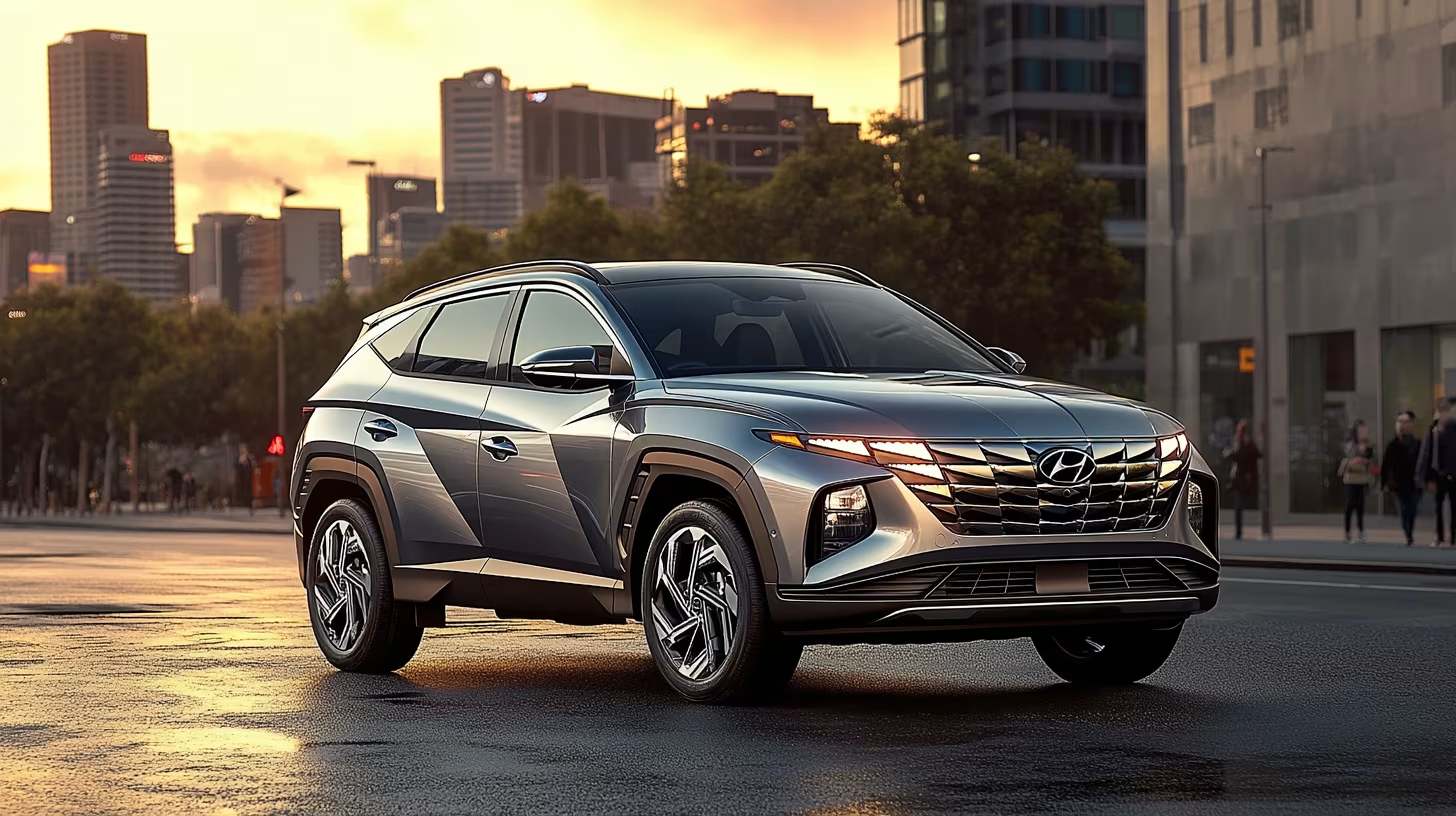
Tucson
HYUNDAI
Tucson Introduction
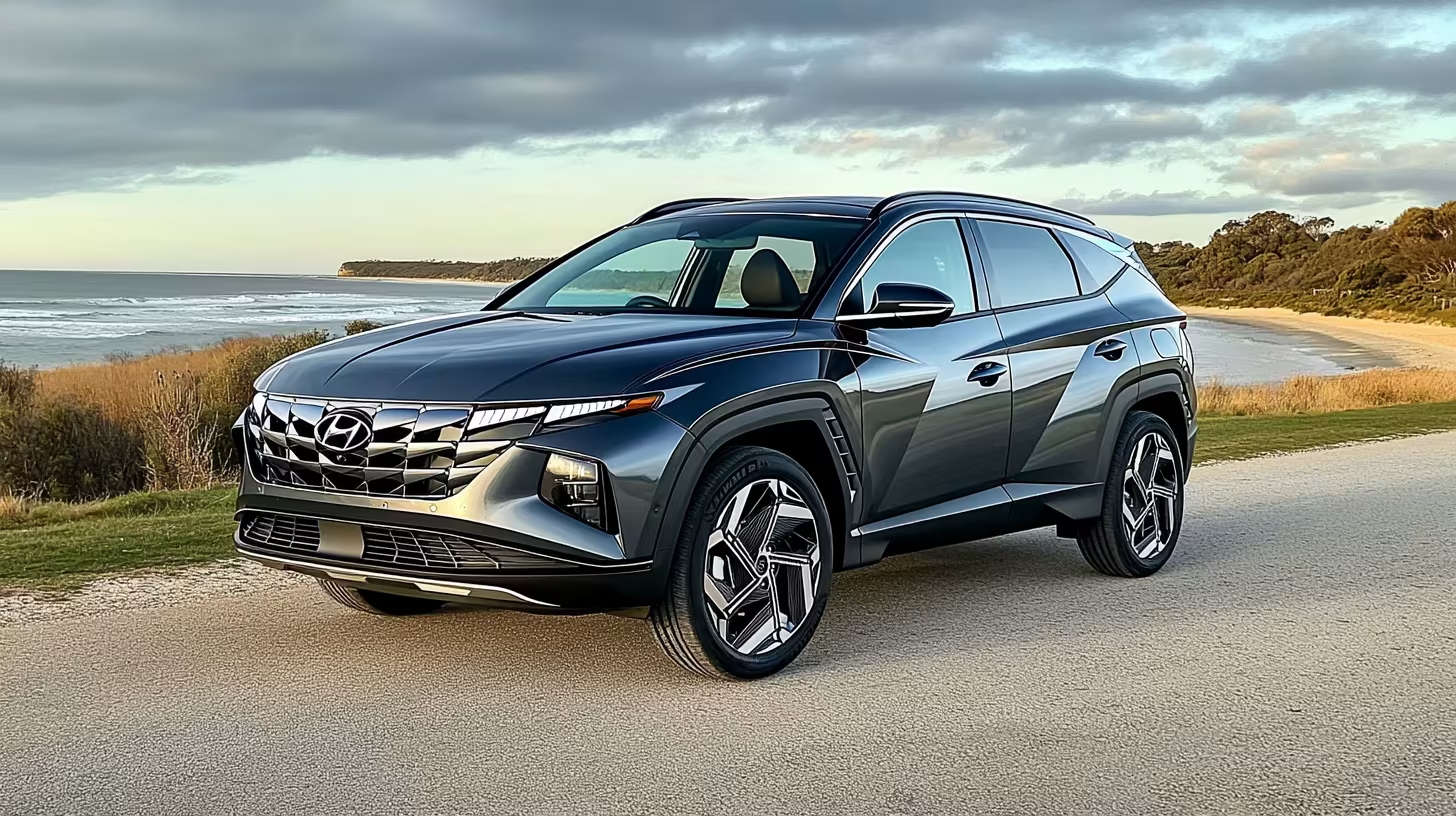
The Hyundai Tucson is a best-selling midsize SUV in Australia, renowned for its eye-catching design, tech-savvy interior, and an array of hybrid, turbo petrol, and diesel engine options. In both 2024 and 2025, the Hyundai Tucson is available in FWD and AWD, as well as sporty N Line trims, with seating for five and a five-year unlimited kilometre warranty. Smart features like dual 12.3-inch curved displays, wireless phone charging, Apple CarPlay/Android Auto, and a suite of advanced safety tech are standard across much of the range. New for 2024, hybrids deliver a real-world fuel use as low as 5.3L/100km, while towing capacity reaches up to 1,900kg (hybrid AWD) or 1,650kg (petrol). The Hyundai Tucson’s bold, angular looks and premium detailing—especially in Elite and Premium trims—make it a strong alternative to the Toyota RAV4, Kia Sportage, and Mazda CX-5.
Inside, the Hyundai Tucson offers a spacious, comfortable cabin and up to 1,241L of boot space with the rear seats folded. Tech features include Bluelink connected services with OTA updates, multi-zone climate, high-end Bose audio in Premium trims, and premium upholstery that matches its segment rivals. Safety is covered with adaptive cruise, lane and blind-spot assist, rear cross-traffic alert, ten airbags, and 360º cameras (Premium/Eliite). With sharp pricing, capped servicing, and class-best warranty, the Hyundai Tucson suits both budget-conscious buyers and families wanting a feature-packed, city-friendly, and road trip-ready SUV.
Available models

Want Solar Finance Options?
Compare lenders and get tailored loan offers.
Tucson Performance & Power
The Hyundai Tucson comes with a choice of petrol or turbo hybrid engines, blending brisk acceleration with low running costs. The turbo hybrid’s 1.6L engine delivers 172kW/367Nm, using EV assistance at low speeds and petrol power as needed; James Wong (CarExpert) says “The Tucson Hybrid hardly feels like a Prius when you hammer it. If anything it’s pretty peppy and doesn’t have the CVT whine you get from a RAV4 Hybrid under load.” FWD models with a 2.0L petrol produce 115kW/192Nm, while 1.6T turbo petrols get 132kW/265Nm and AWD.
James Cleary (CarsGuide) reports “Expect 0-100km/h acceleration in around 8.0 seconds for the Tucson Hybrid, which is pretty handy.” Tom Fraser (Drive) explains the hybrid’s small battery adds 37kW to the 1.6T, while AWD gives strong grip for rougher Aussie roads. Hyundai’s hybrid powertrain combines a 6-speed auto with engaging dynamics and better fuel economy than the petrol, while the N Line offers sportier looks and firmer ride. The Tucson is no sports car—most reviewers focus on its smooth, stable character and urban comfort.
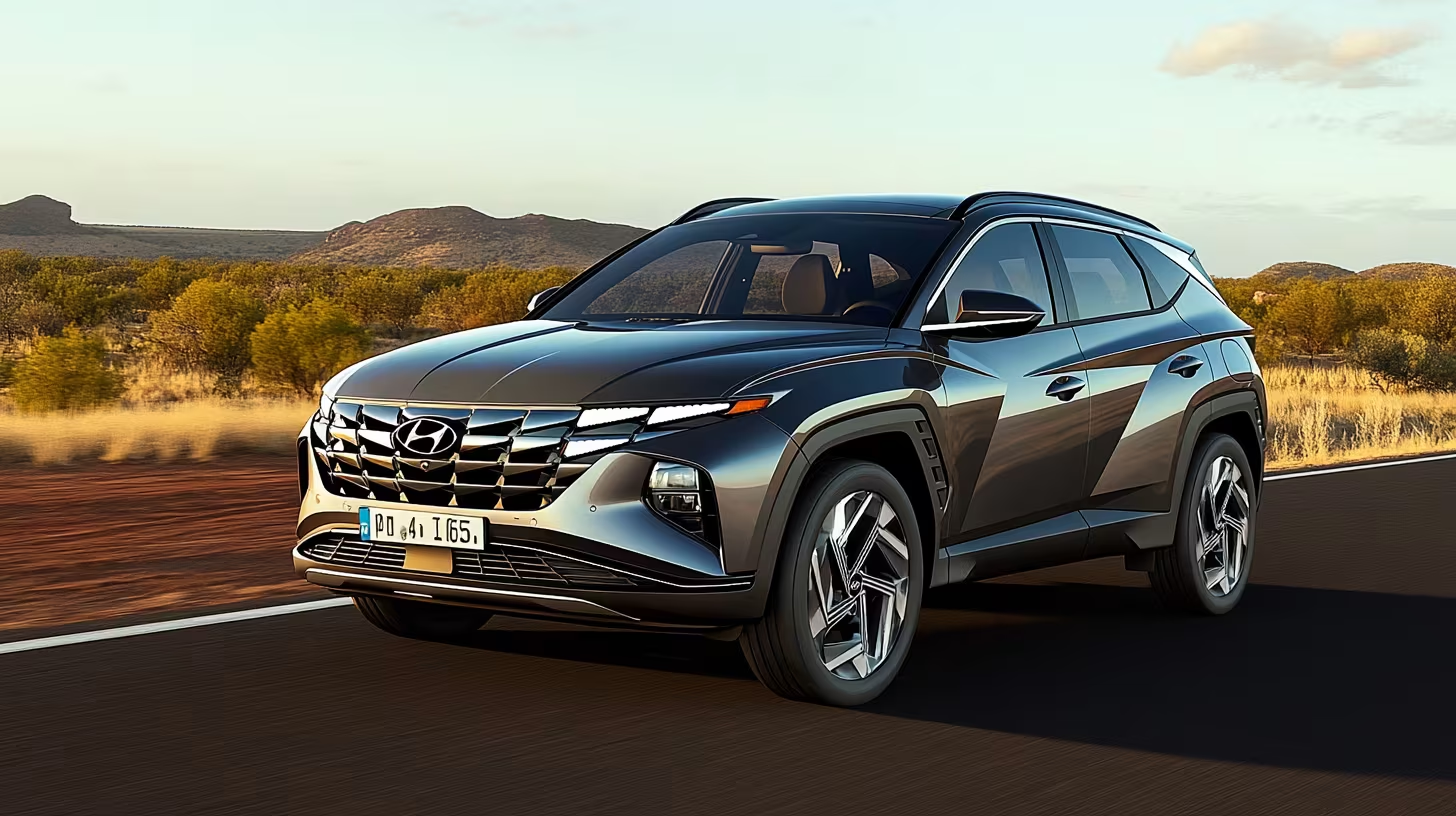
Tucson Interior & Design
The Hyundai Tucson’s chiseled, futuristic design sets it apart, combining SUV presence with coupe-like rakishness in N Line and Premium trims. John Mahoney (EV Central) highlights “Hyundai’s panoramic curved display that combines twin-12.3-inch screens,” giving Tucson a high-tech feel even at modest prices. The interior features well-upholstered seats, stitched leathers or quality cloths, and a flat open console that maximises tray and cupholder space.
James Cleary (CarsGuide) points out the “big news inside is a single curved instrument and media screen display on the top of the dash,” adding that N Line brings unique 19-inch alloys and racy trim. Premium variants include leather, heated/ventilated front (and rear) seats, and panoramic sunroofs, while all models have folding rear seats and ample cubbies for family errands. Entry trims still feel modern, if a little more basic on touchpoints and sound insulation. Boot space is a practical 539L to 1,241L with the seats flat, making Tucson perfect for road trips or city shopping alike.
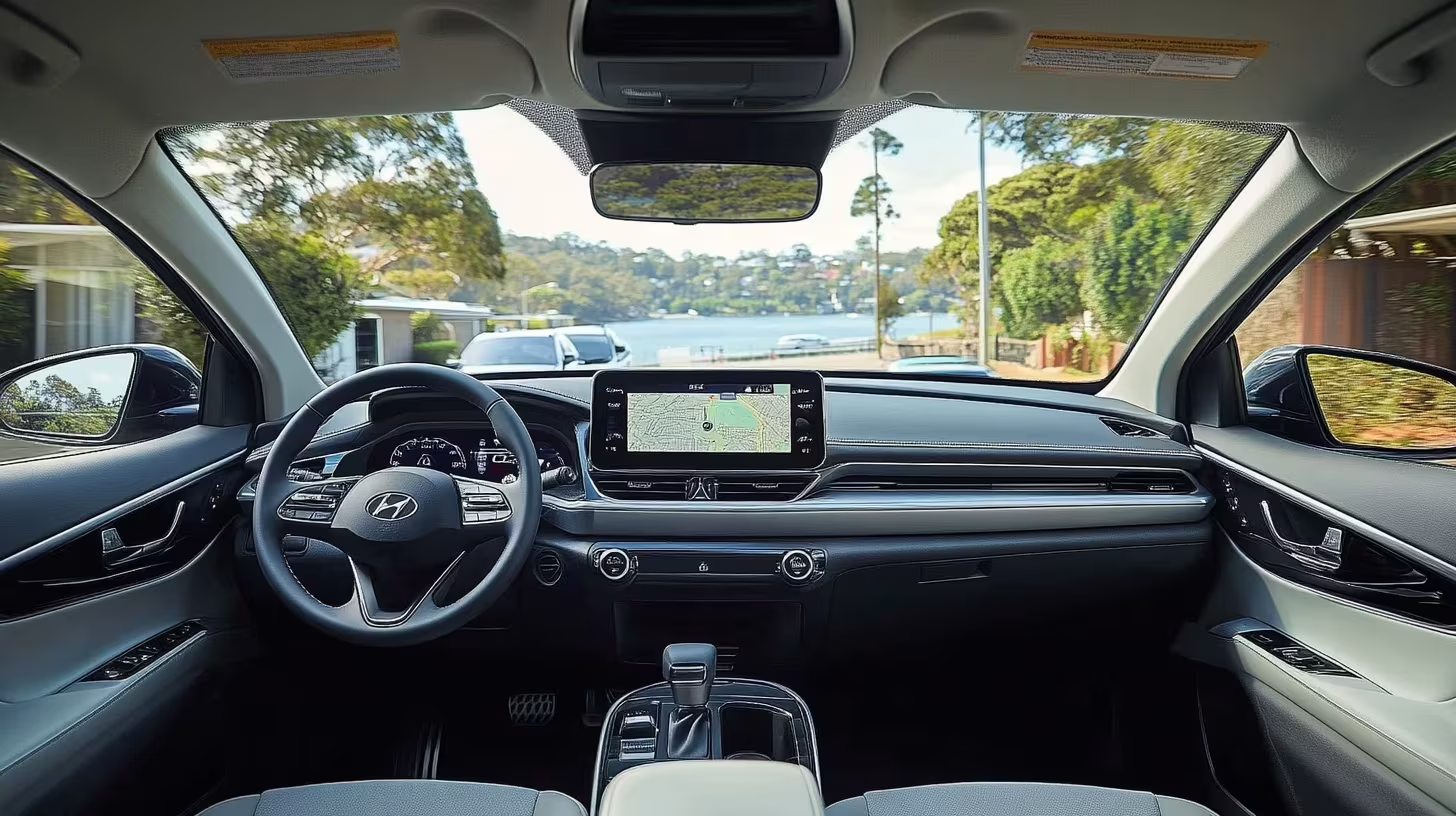
Tucson Technology & Safety
The Hyundai Tucson leads its class on technology and active safety, supported by Bluelink OTA updates, smart key and remote parking, and a digital dash on all but the base trim. Tom Fraser (Drive) praises the clear, fast interface and “panel of physical shortcut buttons beneath the screen,” while also noting intuitive climate/audio control. James Wong (CarExpert) commends Hyundai for including adaptive cruise, blind-spot view, and surround cameras, but some drivers appreciate being able to mute speed warnings via steering wheel buttons.
Ten airbags, Highway Driving Assist, auto emergency braking, and lane + rear-cross traffic assist make the Tucson a favorite among families and urban commuters. Premium trims layer in Bose audio, 3D surround camera, and a head-up display, bringing luxury feel below $60k. Common feedback is that driver assist is more user-friendly than many rivals, and Hyundai is responsive to feedback via software. Only the lack of wireless CarPlay/navigation combo is a minor negative; updates are fixing this on newer builds.
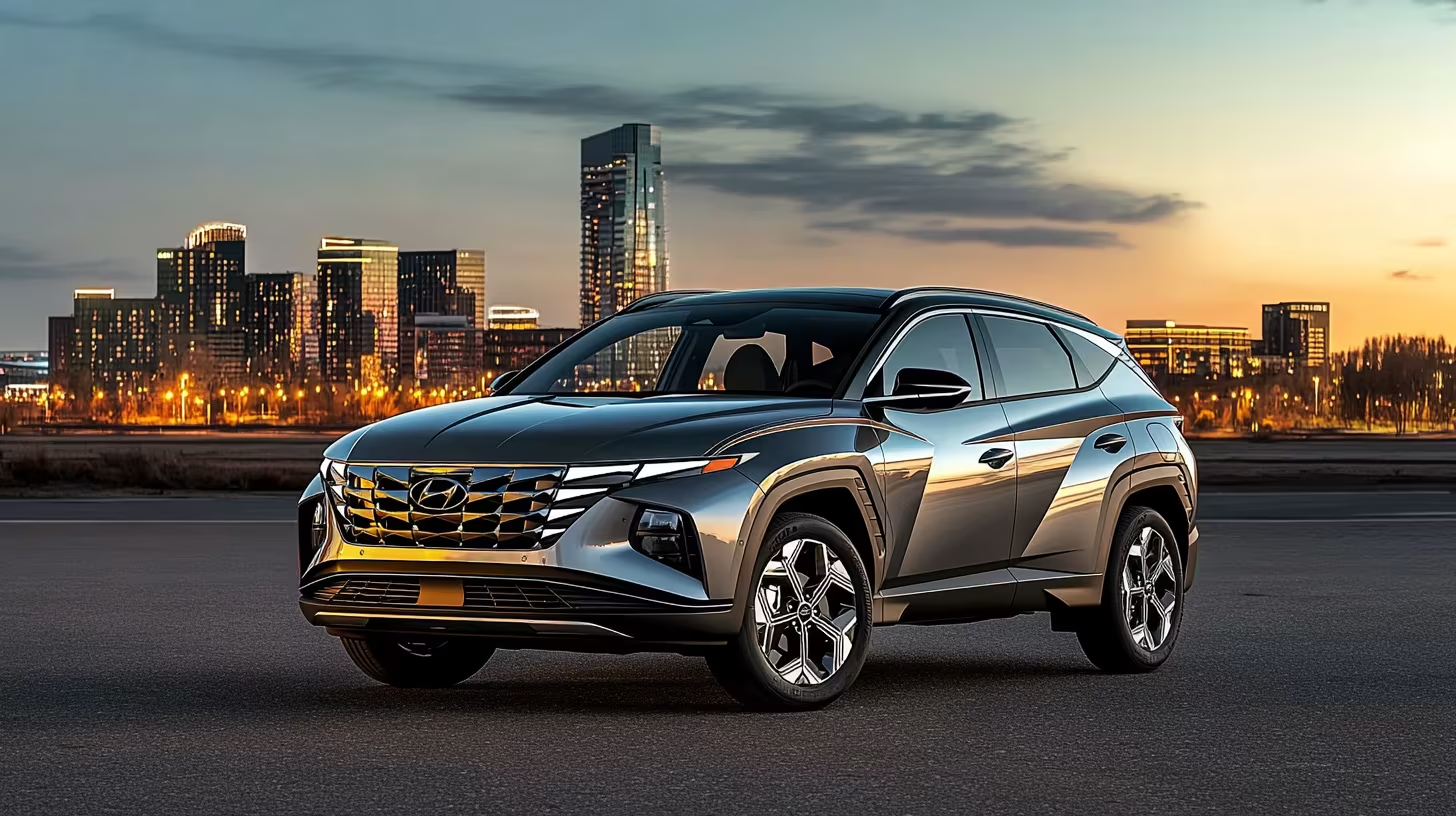
Tucson Range & Charging
The Hyundai Tucson Hybrid delivers genuine economy for a midsize SUV, using about 5.3L/100km (official) but typically 6.1–6.7L/100km in reviewer testing (Tom Fraser, Drive; James Wong, CarExpert). The FWD petrol models use 8.1L/100km, AWD turbo petrols about 7.2L/100km, while diesel options (when available) offer strong low-end torque. Hybrids and plug-ins use regular unleaded (91), helping save at the bowser, and loads up to 1,900kg can be towed (hybrid AWD).
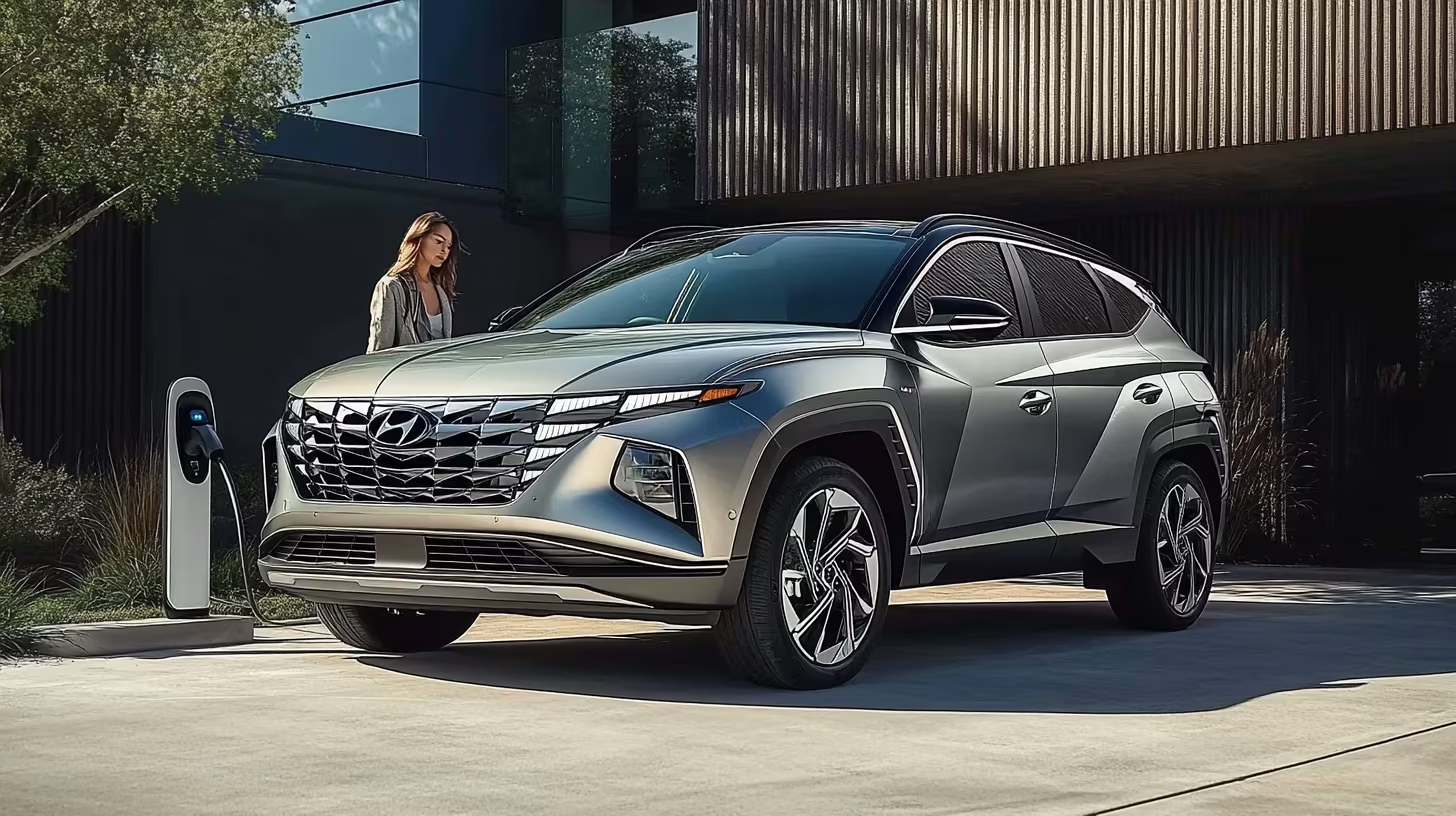
Charging is not required for the hybrid (it’s a self-charger); PHEV is available in select markets but not yet in Australia. For those choosing plug-in or BEVs, Hyundai’s fast adoption of home AC chargers and rooftop solar integration with a professional solar installer points the way to cheaper running costs. Boot space, service intervals, and cost-of-ownership make Tucson easy to live with, on or off road.
Tucson & Solar Power
Hyundai Tucson Hybrid and regular buyers alike can reduce transport costs by pairing home solar with EV chargers for future vehicles, or running household devices and car pre-conditioning off the sun. While the hybrid Tucson cannot be plugged in, frequent solar use at home reduces household costs, freeing cash for petrol or maintenance. As Australia transitions to EVs, buyers adding solar now are ready for the next generation of green SUVs. For those planning ahead, get local solar power advice and quotes when considering a new Tucson or hybrid.
FAQ - Hyundai Tucson
What is the price of the Hyundai Tucson in Australia?
The Hyundai Tucson Base Petrol starts from $39,100 and the Elite Hybrid AWD costs around $50,600 before on-road costs, with the range-topping Premium Hybrid AWD priced at $59,600. “Hyundai Tucson price Australia” is a top-searched phrase for those comparing new SUVs. Prices may fluctuate based on trim, dealership, and local incentives. Always check your local Hyundai showroom for the latest deals and drive-away offers.
Is there a hybrid version of the Hyundai Tucson, and what fuel economy does it offer?
Yes, Hyundai Tucson Hybrid is available as both FWD and AWD, offering a manufacturer-claimed 5.3L/100km, though real-world driving typically averages between 5.6–6.7L/100km. Owners save the most during stop-start city commuting, where the hybrid engine spends more time in electric mode. The hybrid uses regular 91 RON petrol, keeping running costs low. Compared to a petrol Tucson, the hybrid will help most families save at the pump.
What safety features and rating does the Hyundai Tucson have?
The Hyundai Tucson holds a five-star ANCAP safety rating thanks to features such as adaptive cruise, autonomous emergency braking, lane keep, blind-spot monitoring with camera, and 10 airbags. High trims offer a comprehensive 360-degree camera and Highway Driving Assist. Tech like rear cross-traffic alert and parking sensors is standard on most trims. Families consistently rate the Tucson’s safety kit among the best for new Australian SUVs.
How much boot space does the Hyundai Tucson offer?
The Hyundai Tucson boot holds approximately 539L in the hybrid and up to 621L in petrol trims, making it one of the most practical small-to-midsize SUVs in its class. With rear seats folded, maximum cargo expands to over 1,200L, easily swallowing prams, camping gear, or shopping. The Tucson’s wide-opening tailgate and multi-use flat floor have been praised by parents and road trippers alike. This strong cargo capacity is a key selling point.
Is Hyundai Tucson all-wheel drive or front-wheel drive in Australia?
The Hyundai Tucson is offered in FWD or AWD depending on engine and trim; most petrol and all hybrid grades are available as AWD in Australia. AWD Tucson delivers superior stability in wet or rough conditions, while FWD remains efficient and affordable. “Hyundai Tucson AWD” is a frequent search among regional drivers and families. Rough-road and snow trip performance is a Tucson highlight.
How does Hyundai Tucson compare to the Toyota RAV4 or Kia Sportage?
Hyundai Tucson offers a comparable feature set and tech to the Toyota RAV4, with a more refined driving experience than Kia Sportage. Many Australians cross-shop “Hyundai Tucson vs Kia Sportage” due to similar size and pricing. The Tucson’s hybrid variant stands out for performance and warranty, though Toyota’s hybrid remains marginally more frugal. All three provide strong value and are segment leaders for families.
What are the main trims of Hyundai Tucson in Australia, and how do they differ?
The main trims for Hyundai Tucson are Base, Elite, Premium, and N Line—all available with petrol engines, and Elite/Premium with hybrid powertrains. N Line versions offer sportier styling and unique interior details, while Premium includes heated/ventilated seating, panoramic sunroof, Bose audio, and additional comfort features. Boot space, service costs, and tech access remain consistent across trims. Each trim escalates comfort, safety, and price to suit budget and lifestyle.
How does the Hyundai Tucson drive, and what do reviewers say?
Australian reviewers like James Wong (CarExpert) report a “peppy” feel from Hyundai Tucson Hybrid and praise the responsive six-speed auto compared with e-CVT rivals. Hyundai Tucson excels at city and highway comfort, with ride quality and handling tuned for local roads. The hybrid’s acceleration isn’t instant but builds strongly with smooth power delivery. Most owners call Tucson “engaging and quiet to drive.”
What are the interior highlights of the Hyundai Tucson?
All Hyundai Tucson trims feature dual 12.3-inch panoramic curved displays, wireless charging, Apple CarPlay/Android Auto, and clever console design. Higher models (Elite, Premium) add ambient lighting, leather or leatherette seating, and Bose sound. Rear seat legroom, storage, and the panoramic sunroof contribute to family comfort. Cabin quality is praised for practicality and premium feel, especially in recent redesigns.
What colours and accessories can I buy for a Hyundai Tucson?
Hyundai Tucson is offered in a wide range of colours, including grey, blue, white, black, and special edition hues each year. OEM and dealer-fit accessories include roof racks, floor mats, boot liners, bull bars, and wireless chargers. N Line packs add exclusive wheels and sportier trimmings inside and out. Check dealer accessory catalogues for the latest model- and state-specific add-ons.
How reliable is the Hyundai Tucson for long-term ownership, and what’s the warranty?
Hyundai Tucson enjoys strong reliability ratings, with most owners reporting dependable performance and a low number of faults in recent years. Every Tucson receives a five-year unlimited kilometre vehicle warranty and eight years on major hybrid battery components. Service intervals are annual with capped-price plans offered. The brand’s wide dealer/service network is a major ownership advantage.
Is there a Hyundai Tucson 7-seater for bigger families in Australia?
As of 2024–2025, Hyundai Tucson is strictly a five-seater in Australia. Those needing a third row should check the Hyundai Santa Fe or Palisade, which both offer seven seats and Tucson-inspired styling. Tucson’s generous rear seat and boot space still suit young families and carpooling. The five-seat format maximises comfort for all passengers.
What kind of fuel does the Hyundai Tucson use, and what are typical consumption figures?
Most Hyundai Tucson models run on regular unleaded (91 RON), with hybrids using as little as 5.3L/100km official and real-world figures closer to 6L/100km. 1.6T petrol AWD models average 7.2L/100km, with more power for highway towing and overtaking. City drivers save the most with the hybrid, while petrol buyers appreciate the ease of refuelling and strong range. Both outperform many older diesel SUVs for refinement.
Does the Hyundai Tucson have wireless charging and connect to Apple CarPlay/Android Auto?
All trims offer wireless phone charging and CarPlay/Android Auto. Touchscreen is standard (12.3-inch), and navigation as well as Bluelink OTA updates are available on higher trims. Wireless connection may be unavailable with native nav selected, but USB integration remains. Dual rear USBs and fast charging are included on most trims.
Can the Hyundai Tucson be towed behind a caravan or can it tow itself?
Hyundai Tucson can tow up to 1,900kg (Hybrid AWD) or 1,650kg (petrol), making it a great option for boats, campers, or small trailers. Towing setup and safety features are strong selling points for road trippers. Factory-fit towbars and sway control features increase peace of mind. Always verify the exact rating for your chosen Tucson trim.
How does the Hyundai Tucson hybrid system work and does it need charging?
The Hyundai Tucson Hybrid uses a small battery charged by the petrol engine and regenerative braking, so no plugging in at home or on the road is required. Owners find the hybrid smooth, efficient, and hassle-free compared to plug-in alternatives. Energy flows are monitored via the digital cluster. For those seeking a plug-in Tucson, the “PHEV Australia” variant is not yet imported.
What is the Hyundai Tucson service schedule and what does it cost to own?
Hyundai Tucson services every 12 months or 15,000km, with a five-year capped servicing scheme that keeps bills transparent. Hybrid and petrol models alike are inexpensive to maintain, especially when compared with European or luxury rivals. Online booking and rapid parts delivery add convenience. Warranty and affordable maintenance support resale value.
How does the Hyundai Tucson rate for safety on Australian roads?
Hyundai Tucson scores five stars ANCAP thanks to advanced features like lane keep, AEB, blind-spot/cross-traffic alert, dual cameras, 10 airbags, and high pedestrian/cyclist protection. Higher models get more semi-autonomous features and parking assist. Australian reviewers consistently rank Tucson’s safety kit highly for the segment. Peace of mind is a central Hyundai selling point.
Can Hyundai Tucson be paired with solar charging or smart home charging?
While the Tucson Hybrid is not a plug-in model, savvy owners reduce costs by running home solar and scheduling household energy use to offset petrol bills. Future EV and PHEV variants will support full charger integration. Home charger and solar installs can [be quoted here](https://topproperty.eco/solar-installers) for planning your next eco-friendly vehicle.
How does Hyundai Tucson handle Australian roads and rough terrain?
Ride and handling of the Hyundai Tucson are tuned for local conditions—comfortable, compliant, and stable on highways and dirt roads alike. All AWD trims use the proven HTRAC system for extra grip. Light off-roading and country trips are easily managed, though it is not a hardcore 4WD. Buyers outside the city consistently praise stability and ride comfort.
Find EV Chargers & Solar Power by State
Discover charging infrastructure and solar power options for your HYUNDAI Tucson in your state:
*Disclaimer: This page includes information, descriptions, and images that may have been created or enhanced with the assistance artificial intelligence, powered by our proprietary Ray-i (AI) technology system. While we do our best to ensure accuracy, specifications and details can vary between models, regions, and over time as manufacturers make updates. Images are for illustrative purposes, and the content is provided for general reference. For the most up-to-date specifications or features, we recommend checking directly with the manufacturer or your local dealer.