

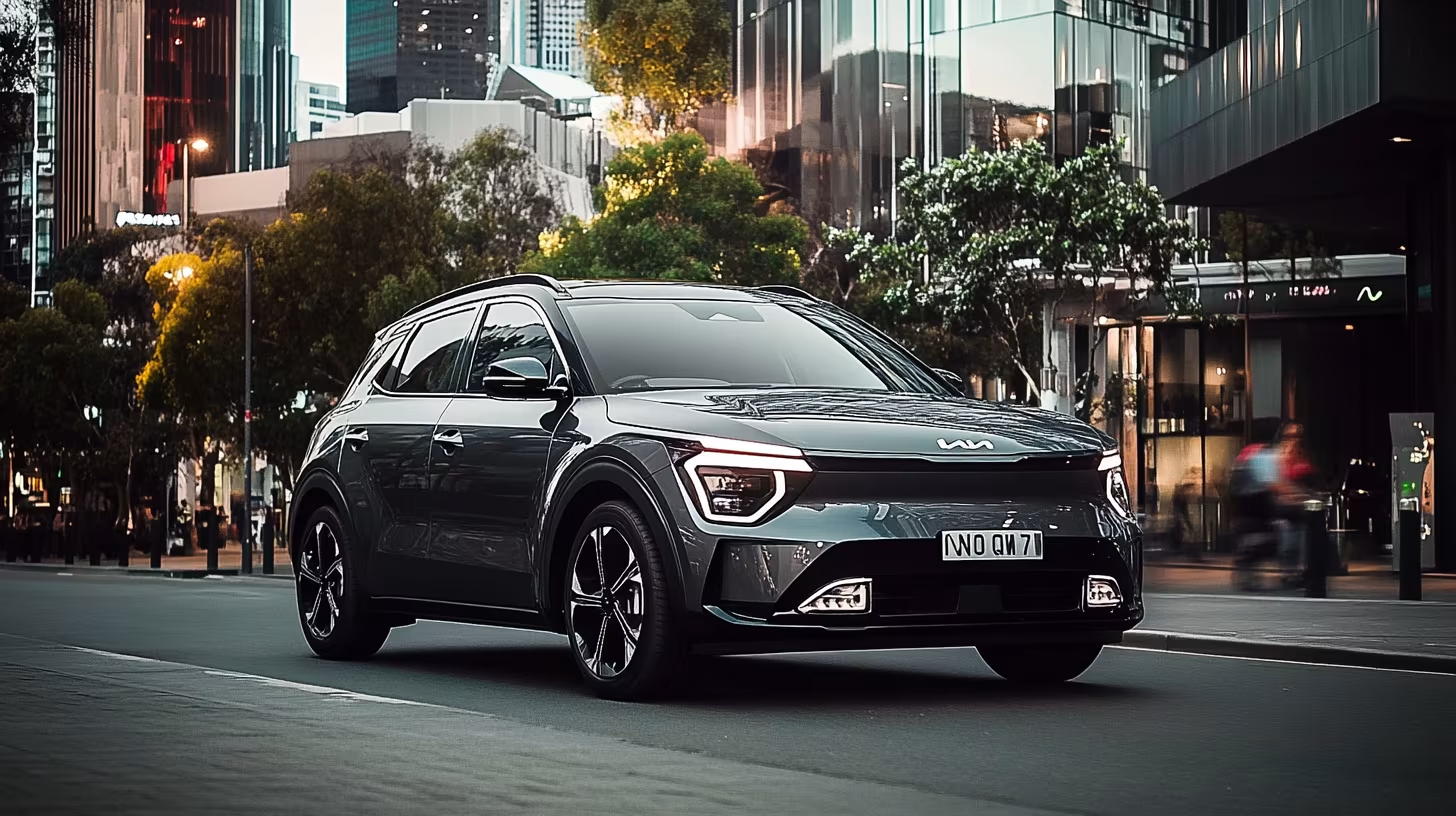
Niro
KIA
Niro Introduction
The Kia Niro offers Australian drivers a perfect blend of space, technology, and efficiency, making it a leading choice for city families or eco-minded commuters. Available as a 1.6L hybrid, a plug-in hybrid (PHEV), or a full battery electric EV, there’s a Kia Niro for every green journey and budget. Thanks to a smartly packaged five-seat cabin and a flexible boot holding up to 425L (over 1,400L folded), daily errands, road trips, or school drop-offs are handled with ease. Every trim provides dual digital screens, Apple CarPlay/Android Auto, adaptive cruise control, and optional heated or ventilated seats for extra comfort. Even in its most affordable forms, the Niro comes loaded with safety tech such as AEB, lane-keep, blind-spot detection, and a five-star ANCAP rating. The hybrid sips just 4.0L/100km in city traffic, while the EV travels up to 460km per charge, making low running costs a true highlight.
Plug-in hybrid Niro drivers enjoy emissions-free urban driving plus petrol reassurance for trips out of town. Charging is quick and solar-friendly, whether you’re at home or using public AC/DC chargers. Capped price servicing and a seven-year unlimited kilometre warranty (plus 150,000km on batteries) ensure stress-free ownership and high resale confidence. Clever design touches abound, like sliding rear seats and modular storage bins adding flexibility. Interior finishes, including GT-Line’s premium touches, make daily life more pleasant whether it’s rush hour or school holidays. With strong value, flexible powertrains, and proven reliability, the Kia Niro car stands out as one of Australia’s most future-focused SUVs.
Available models

Want Solar Finance Options?
Compare lenders and get tailored loan offers.
Niro Performance & Power
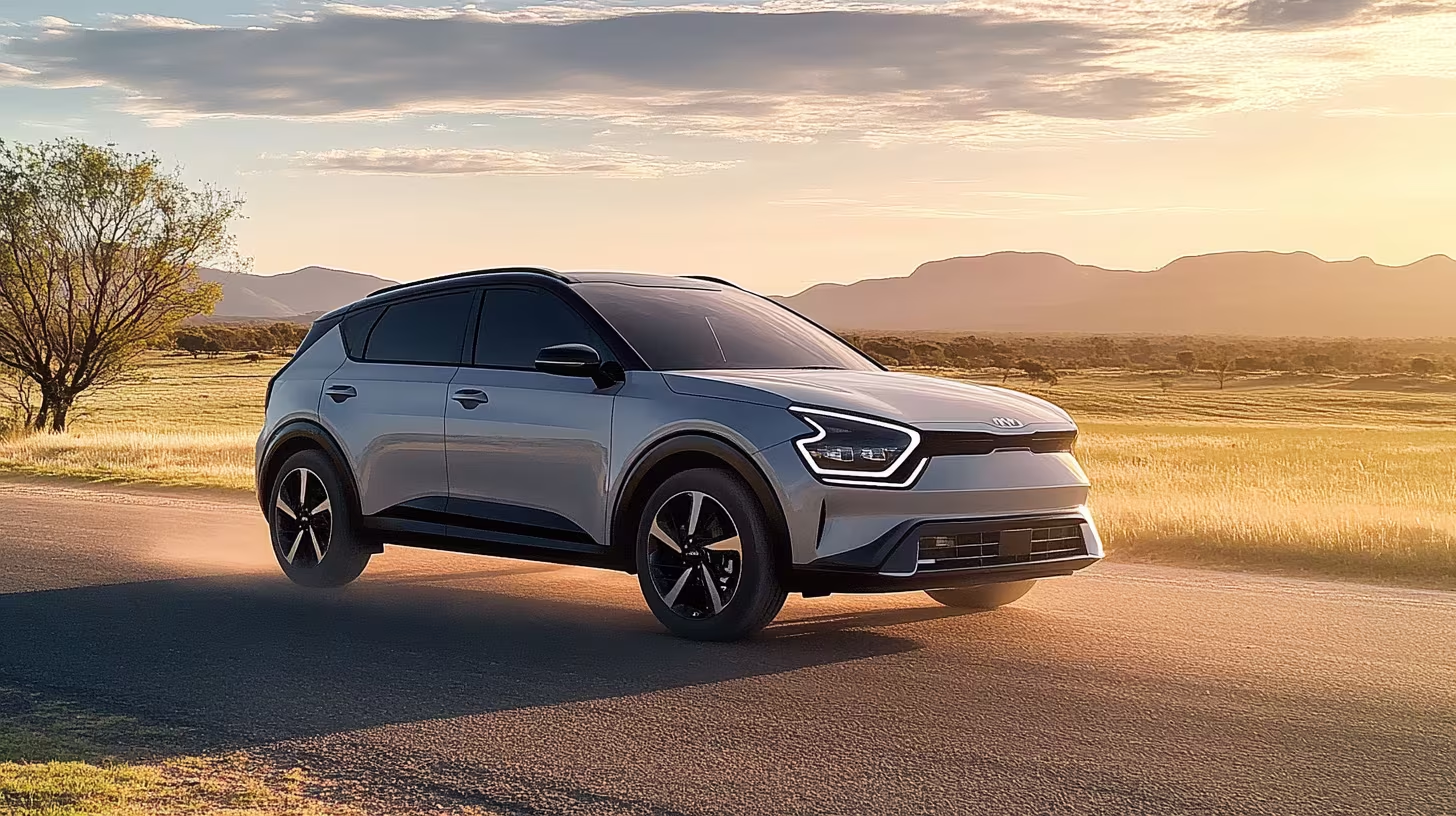
The Kia Niro car’s lineup covers hybrid, plug-in hybrid, and fully electric variants, ensuring there’s a powertrain for every lifestyle. The 150kW Niro EV offers swift acceleration (0–100km/h in about 7.8 seconds), with William Stopford (CarExpert) noting, “The Niro is quick off the line without feeling overwhelming, with little in the way of torque steer.” The hybrid model combines a responsive 1.6L petrol engine and 32kW electric motor for 104kW total, with seamless stepping between petrol and electric—minimising urban fuel use. The plug-in hybrid variant adds an emissions-free driving mode for urban runs, making it ideal for those who do a lot of short trips but want hybrid back-up for longer journeys.
Electric models have instant torque and silent city cruising, and all versions feature feather-light steering; however, reviewers note the GT-Line’s steering feels heavy at low speeds. Regenerative braking modes on the Kia Niro EV are a plus for custom energy use. What you get is refined, largely drama-free driving with adequate power for city and intercity trips, but comfort and efficiency always take precedence over outright excitement.
Niro Interior & Design
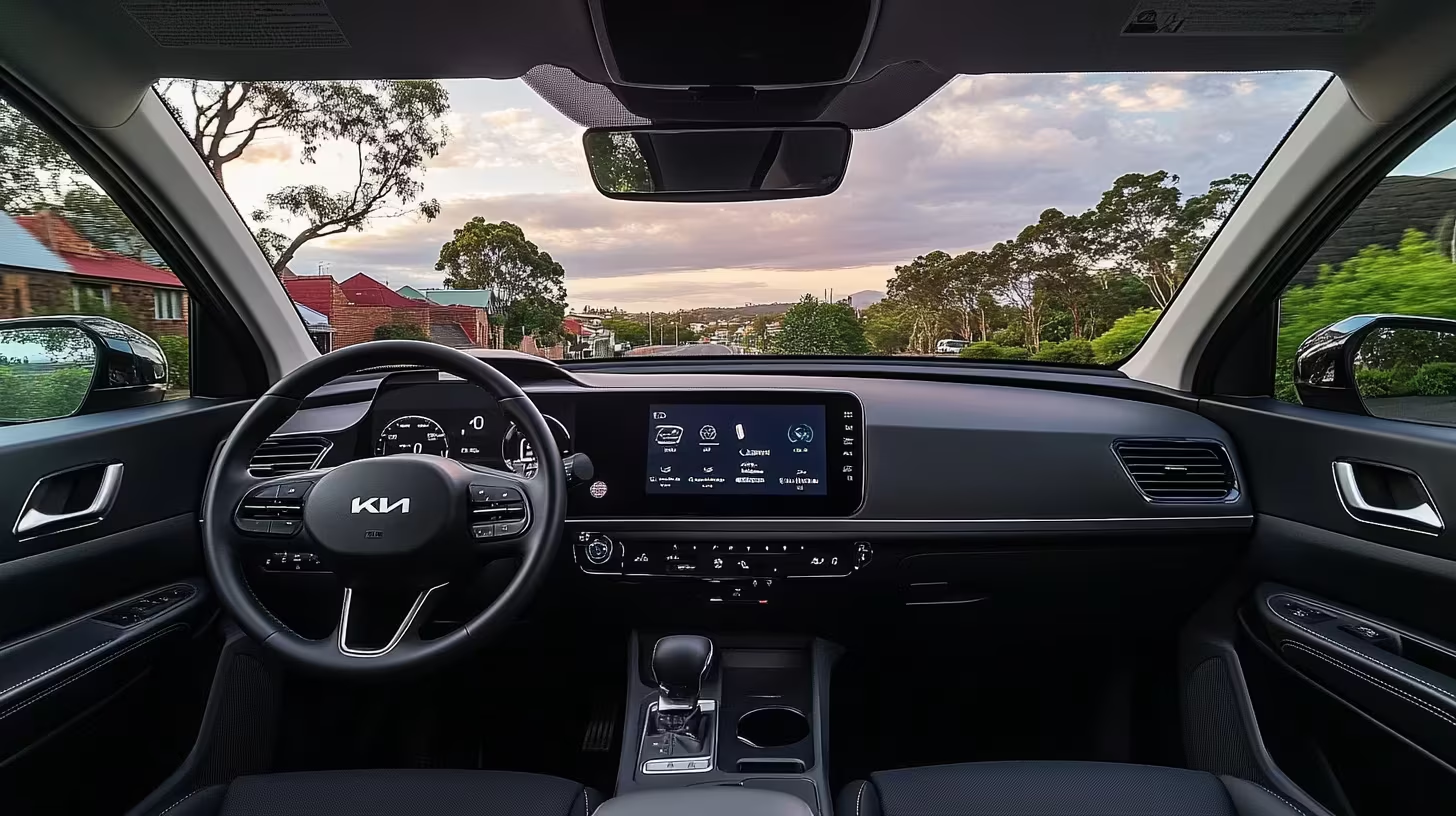
Comfort, tech, and a clever use of space define the interior of the Kia Niro car. The angular exterior flows inside with geometric door panels and a futuristic dashboard headlined by dual 10.25-inch digital screens in the GT-Line. “The angular lines of the Niro’s exterior continue inside the cabin, most notably on the door panels,” observes William Stopford (CarExpert), who also notes the roomy, well-designed interior. Driver and passenger comfort is top-notch—synthetic leather, heated/ventilated seats in GT-Line, and handy cubbies abound, making the Kia Niro feel both premium and practical in daily use.
Feann Torr (Carsales) highlights “incidental storage space underneath the centre dash stack” that’s brilliant for phones, snacks, or kid clutter. While some plastics feel basic on lower trims and the rear seats are tight for three big adults, most owners will enjoy the easy ergonomics, high driving position, and 425L boot. Option colours like blue, green, and red help the Niro stand out on the school run, and the panoramic sunroof (GT-Line) opens the small SUV to big skies. While not luxury-grade, comfort and layout are clear strengths in the Kia Niro car’s design language.
Niro Technology & Safety
Tech is a cornerstone of the Kia Niro car, with features often found in more expensive rivals. The Remote Smart Parking Assist sounds like a party trick, “but it came in handy for me on at least a couple of occasions,” says William Stopford (CarExpert). All versions offer Apple CarPlay/Android Auto (wireless on some GT-Line), digital dash, and voice-controlled climate/nav. The GT-Line gains a head-up display, Harman Kardon premium audio, heated rear seats, and sunroof—though base trims offer all the essentials, including keyless entry, AEB, and adaptive cruise.
Safety features receive high marks: blind-spot view, lane keep assist, rear cross-traffic alert, and eight airbags. Reviewers like Iain Curry (EV Central) and Alex Misoyanis (Drive) praise the clarity and intuitiveness of Kia’s infotainment, but note surround-view cameras and memory seats aren’t always standard at this price point. Wireless mirroring can be intermittent, and the base audio is less premium than some rivals, but safety and convenience overall top this segment.
Niro Range & Charging
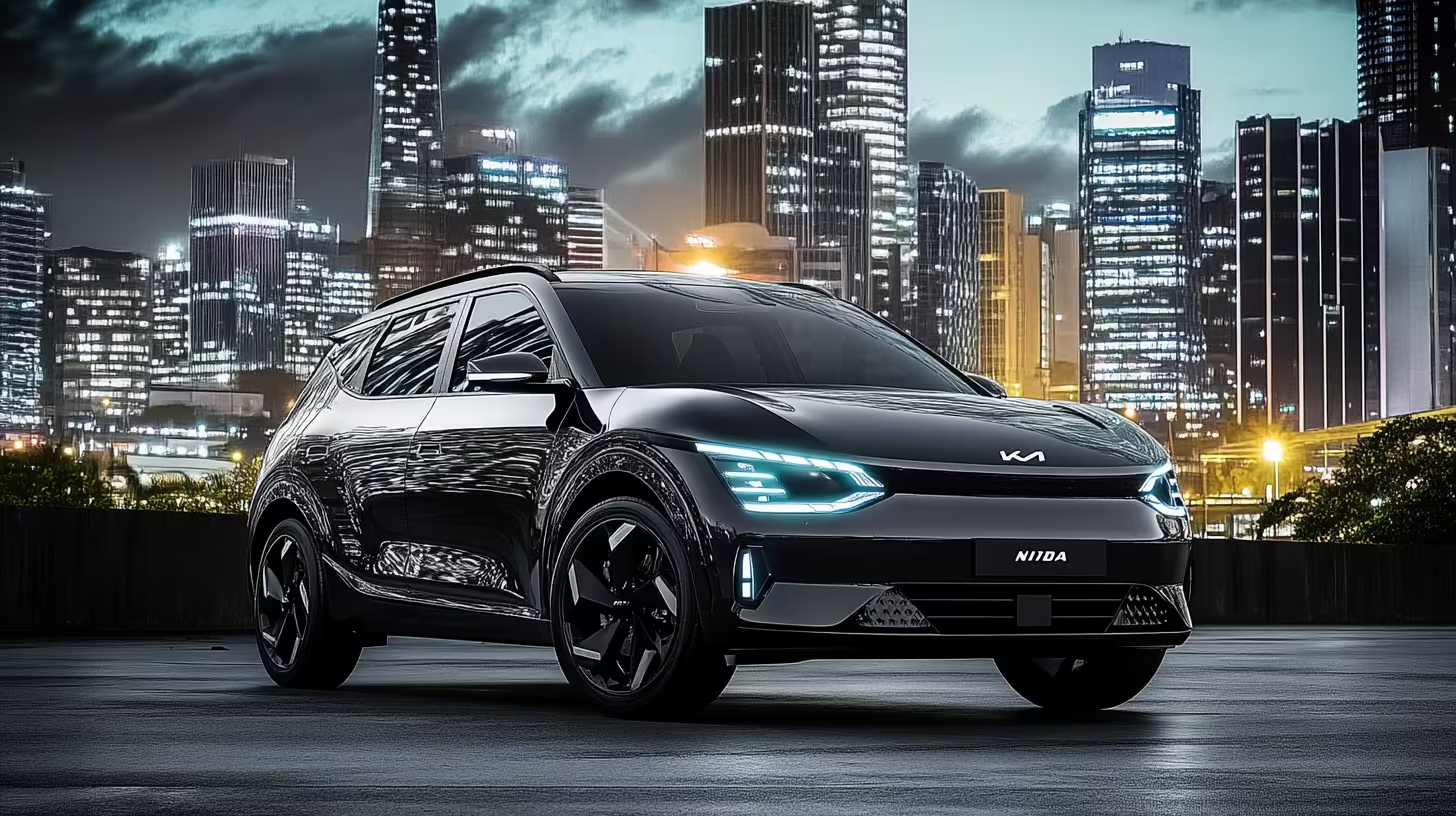
Efficiency is a strong suit: WLTP range for the Kia Niro Electric is up to 460km and actual testing often meets or slightly beats this with careful city driving. Alex Misoyanis (Drive) reports “consumption figures suggest Kia’s 460km driving claim…is achievable—or even beatable—in the real world.” Owners generally see 380–430km between charges, even on highways. Plug-in hybrid drivers get around 50km electric miles before petrol cuts in, reducing city fuel use to nearly zero.
Charging at home (11kW EV) fills the battery in 6–7 hours; DC fast charging (up to 105kW) adds 10–80% in about 45–50 minutes. The hybrid and plug-in versions never need charging for daily use, though plug-in users are advised to keep the battery filled for best saving. Charging standards are Type 2/CCS, same as most modern EVs in Australia.
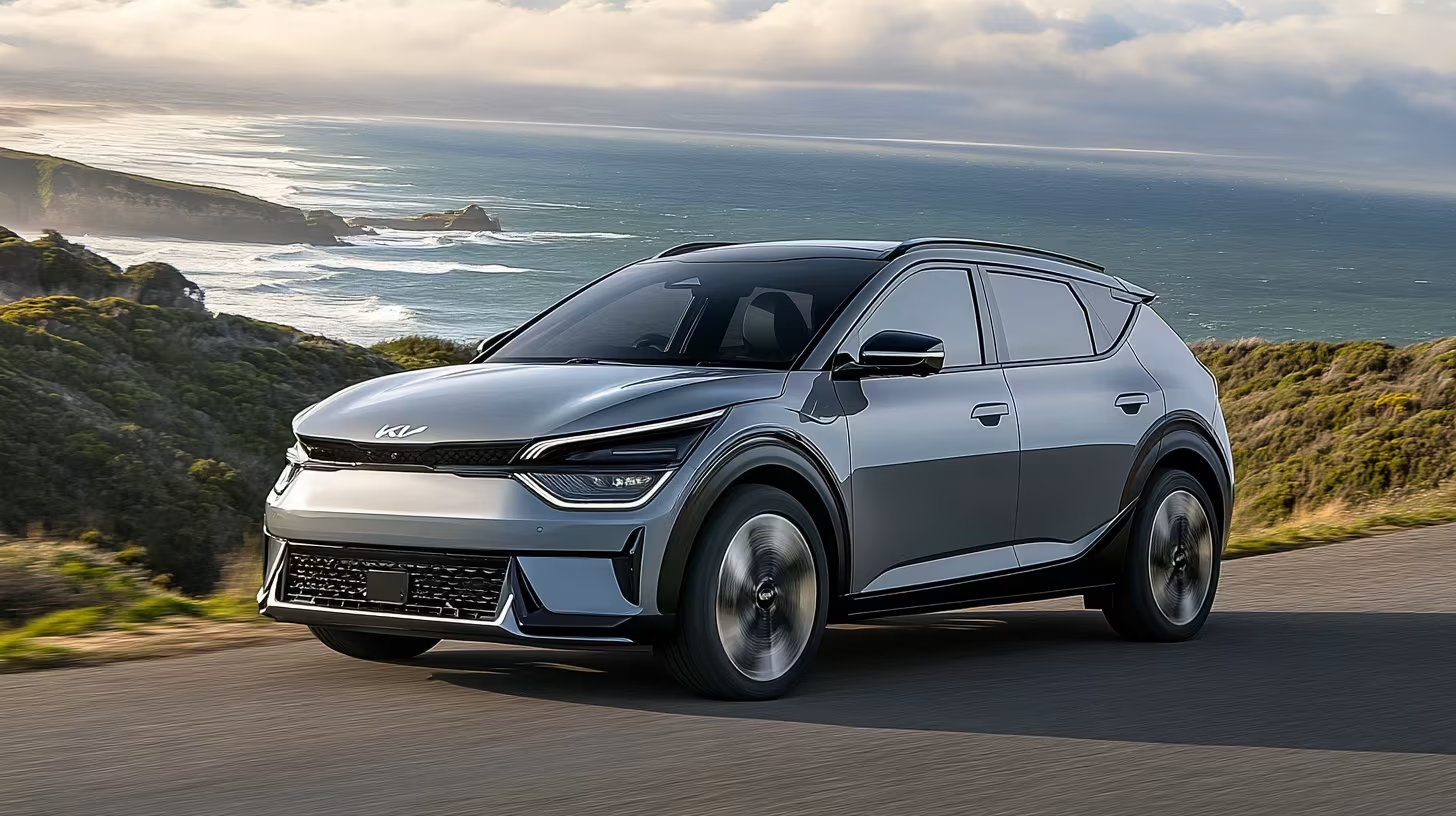
Niro & Solar Power
Pairing the Kia Niro car with home solar power is a smart way for Australian families to slash running costs and maximise the eco-benefits of hybrid or electric motoring. For Kia Niro EV owners, a typical rooftop solar system and a compatible 7–11kW EV charger allow most daily commuting and errands to be powered entirely by the sun—driving “fuel” bills down to just cents per kilometre. Charging the Kia Niro EV during daylight hours or scheduling overnight top-ups on sunny days helps owners avoid peak grid prices while shrinking carbon emissions. Plug-in hybrid Kia Niro drivers can also make the most of solar, covering short city trips in zero-emission mode with affordable home-generated energy while keeping petrol power in reserve for longer journeys.
Even self-charging Kia Niro Hybrid buyers can benefit, since charging devices, climate pre-conditioning, and running household appliances from solar reduces total energy spend. The Kia Niro car uses standard Type 2/CCS charging ports, ensuring compatibility with nearly all modern Australian EVes and public chargers. Many families see payback on solar installation in just a few years, especially as more time is spent working or schooling at home. By combining the Kia Niro with solar, drivers reduce both costs and environmental impact. For tailored home charging or solar integration, find expert solar installers here to get started with smarter, greener car ownership.

FAQ - KIA Niro
What is the price of the Kia Niro car in Australia?
The entry-level Kia Niro Hybrid HEV S starts at around $45,000 drive-away, GT-Line Hybrid at $50,650, and the Kia Niro EV S at $66,590, with the flagship EV GT-Line at $72,360. "Kia Niro price Australia" and "Kia Niro EV price" are high-traffic searches for cost-conscious EV buyers. Prices fluctuate with incentives, stock, and dealer specials. The Niro's price is competitive against Tesla Model Y, Kona Electric, and BYD Atto 3.
What hybrid and electric options are available in the Kia Niro range?
Australian buyers can pick from the Kia Niro Hybrid (HEV), Plug-in Hybrid (PHEV), or Electric (EV) variants. The hybrid offers self-charging and economy, while the plug-in hybrid adds a short electric-only range for zero-emission urban driving. The full Kia Niro EV GT-Line delivers up to 460km range WLTP and strong performance for family and commuter use. "Kia Niro hybrid price" and "EV review" are trending queries for cross-shoppers.
How far can the Kia Niro EV travel on a single charge?
The Kia Niro EV is officially rated for up to 460km on the WLTP cycle. Most Australian drivers find real-world range is between 380km and 430km, depending on city or highway conditions, A/C use, and driver behaviour. Owners who charge at home or at work get the most convenience and economy. Range is similar to base Tesla Model Y and gives excellent city-to-regional coverage.
How long does it take to charge the Kia Niro EV at home or on the road?
DC fast charging at up to 105kW will add 10–80% battery in about 45–50 minutes, while an 11kW home EV fills the battery overnight (6–7 hours). Type 2/CCS compatibility means you can use almost every public charging network in Australia. Plug-in hybrids use petrol if the charge runs low so you’re never stranded. Charging at home with solar further reduces costs.
What’s the fuel economy of the Kia Niro Hybrid and Plug-in Hybrid?
The Kia Niro Hybrid delivers real-world consumption around 4.0–4.3L/100km, saving the most for city commuters and urban families. Plug-in Hybrid drivers report about 1.1–2.0L/100km with regular charging and short-trip use. All hybrids use regular unleaded for convenience and cost. Even outside the city, hybrid models remain among the most frugal mid-size SUVs.
Is the Kia Niro a good car for families and city driving?
Most reviews praise the Kia Niro car for its compact footprint, elevated seating, roomy boot, and modern safety features. Rear ISOFIX, easy cabin access, and smart cubby space make family life easy. Niro Hybrid and EV handle tight parking, school runs, and shopping as well as most larger SUVs. Comfort and tech are standouts in the class.
What is the boot space in the Kia Niro EV and Hybrid?
Boot space is 425 litres with seats up (EV and Hybrid) and grows to 1,419L folded—ample for prams, sports kits, or city shopping. A flat floor, low lift-in, and split-fold seats make loading easy. Electric versions fit cables in the underfloor bin, freeing up space. The Kia Niro's flexible pack-out ranks well for small SUVs.
Does the Kia Niro car offer good safety features and what is its ANCAP score?
All Kia Niro car variants sold in Australia received a five-star ANCAP safety rating and are equipped with AEB, active cruise, lane assist, rear cross-traffic, and several airbags. GT-Line models add more advanced blind-spot and parking camera tech. Kids and adults are well protected, with top scores for crash performance. Reviewers say safety is a strong point for families.
How does the Kia Niro compare to the Hyundai Kona or Toyota Corolla Cross?
The Kia Niro car is more efficient than the Kona and offers more tech, longer battery warranty, and sharper design than the Corolla Cross. Boot space and city usability rank high, especially in the hybrid for economy-focused buyers. Both competitors have strengths, but the Niro’s value, warranty, and hybrid/EV choice make it a buyer favourite. “Kia Niro vs Hyundai Kona” is a regular online query for small SUV buyers.
Is Kia Niro car reliable and what is the warranty cover for hybrid and electric variants?
Reliability on new-model Kia Niro car is rated as strong, with few reported issues and a seven-year/unlimited kilometre vehicle warranty (and seven years/150,000km battery warranty for EV/PHEV). Capped-price servicing and a wide dealer network further reduce long-term ownership risk. Owners can schedule routine maintenance with ease. Battery warranty is transferable to second-hand buyers for resale benefit.
How does the Kia Niro plug-in hybrid (PHEV) work and does it need home charging?
The Kia Niro PHEV combines a 1.6L petrol engine with a 32kW motor and 8.9kWh battery, giving 50km electric-only range before switching to hybrid. Plug-in charging is needed for full fuel saving, but petrol ensures you’ll never be stuck. Most owners charge overnight for city use, then run on petrol for longer trips. Plug-in Niro blends the EV experience with true road-trip freedom.
What tech features and infotainment does Kia Niro car include?
All 2025 Kia Niro car variants have a large central touchscreen (10.25-inch S/GT-Line), digital cluster, navigation, Apple CarPlay and Android Auto. GT-Line adds Harman Kardon audio, head-up display, sunroof, wireless phone charging, and heated seats. Software is praised for clear menus and connectivity, though surround camera and memory seats are not always standard. Kia’s UVO Connect and app integration support remote climate and charge checks.
Can the Kia Niro be charged from home solar power?
Yes, EV and PHEV versions of the Kia Niro car can be charged via home rooftop solar, dramatically cutting weekly running costs. Scheduling charging for sunshine hours or running devices from home solar makes the Niro’s “fuel” nearly free. For top savings, install a solar-compatible EV. [Find a charger and solar installer here](https://topproperty.eco/solar-installers) before purchase.
Does the Kia Niro car support wireless Apple CarPlay and Android Auto?
Yes, the Kia Niro GT-Line offers wireless phone mirroring and charging, while base trims use USB cable integration. CarPlay/Android Auto are easy to set up, and the interface is praised for clarity and responsiveness. Digital cluster on higher trims enhances navigation and safety info display. Expect Apple and Android device support in all variants.
What service interval does the Kia Niro require and what are the typical running costs?
Kia Niro servicing is required every 12 months or 15,000km, with capped price plans available Australia-wide. All hybrid and EV models have lower service cost than petrol-only SUVs thanks to fewer moving parts and minimal consumables. Real-world running costs remain among the best for Australian city or family SUVs. Affordable maintenance and battery warranty make the Niro popular for fleet and private buyers.
How roomy and practical is the interior of the Kia Niro for families?
With seating for five, cupholders for all, and loads of small-item storage, the Kia Niro cabin suits family use and shopping. Dual child-seat anchors in the back and digital rear-view mirrors in GT-Line trims simplify family life. Most find rear seats comfy for kids but tight for three large adults. For metro families, the easy fold seats and flat boot are highlights.
What are the main differences between Kia Niro S and GT-Line trims?
Kia Niro S trims prioritise value and essentials, with cloth seats, LCD screens, and rear parking sensors. The GT-Line adds heated/ventilated synthetic leather seats, head-up display, sunroof, Harman Kardon audio, and advanced blind-spot and surround cameras. GT-Line looks sportier inside and out and is fitted for premium and EV buyers. Extra cost buys a big uplift in comfort and feature set.
Does the Kia Niro offer accessories and customisation options?
Yes, buyers can add Kia Niro accessories such as roof racks, rubber mats, boot liners, dash cams, and charging kits. Dealer and online suppliers cater to bike and surf carriers or child seat upgrades. GT-Line models come with premium finishes and trim customisation. “Kia Niro accessories” is a frequent FAQ for buyers kitting out a new family SUV.
Can Kia Niro EV or hybrid models tow a trailer or camper?
Towing capacity on Kia Niro Hybrid and EV is capped at 600kg braked, enough for small utility trailers or bike carriers but not a large caravan. The EV’s instant torque and low-speed control help with short urban hauls. Always check your variant’s rating and fit a dealer tow bar. If towing is a priority, explore the larger Sportage Hybrid or EV9 for more muscle.
How does the Kia Niro car compare to its rivals for reliability, tech, and comfort?
The Kia Niro is praised for ease of use, seven-year warranty, and modern tech like smart cruise, heads-up display, and climate app. It matches (or beats) the Hyundai Kona, Toyota Corolla Cross, and many small EV SUVs for economy and family practicality. Buyers see the battery warranty, charging speed, and tech offering as key advantages. Most owners and reviewers rate the Niro as a solid, reliable choice for Australian city life.
Find EV Chargers & Solar Power by State
Discover charging infrastructure and solar power options for your KIA Niro in your state:
*Disclaimer: This page includes information, descriptions, and images that may have been created or enhanced with the assistance artificial intelligence, powered by our proprietary Ray-i (AI) technology system. While we do our best to ensure accuracy, specifications and details can vary between models, regions, and over time as manufacturers make updates. Images are for illustrative purposes, and the content is provided for general reference. For the most up-to-date specifications or features, we recommend checking directly with the manufacturer or your local dealer.