

3008
PEUGEOT
3008 Introduction
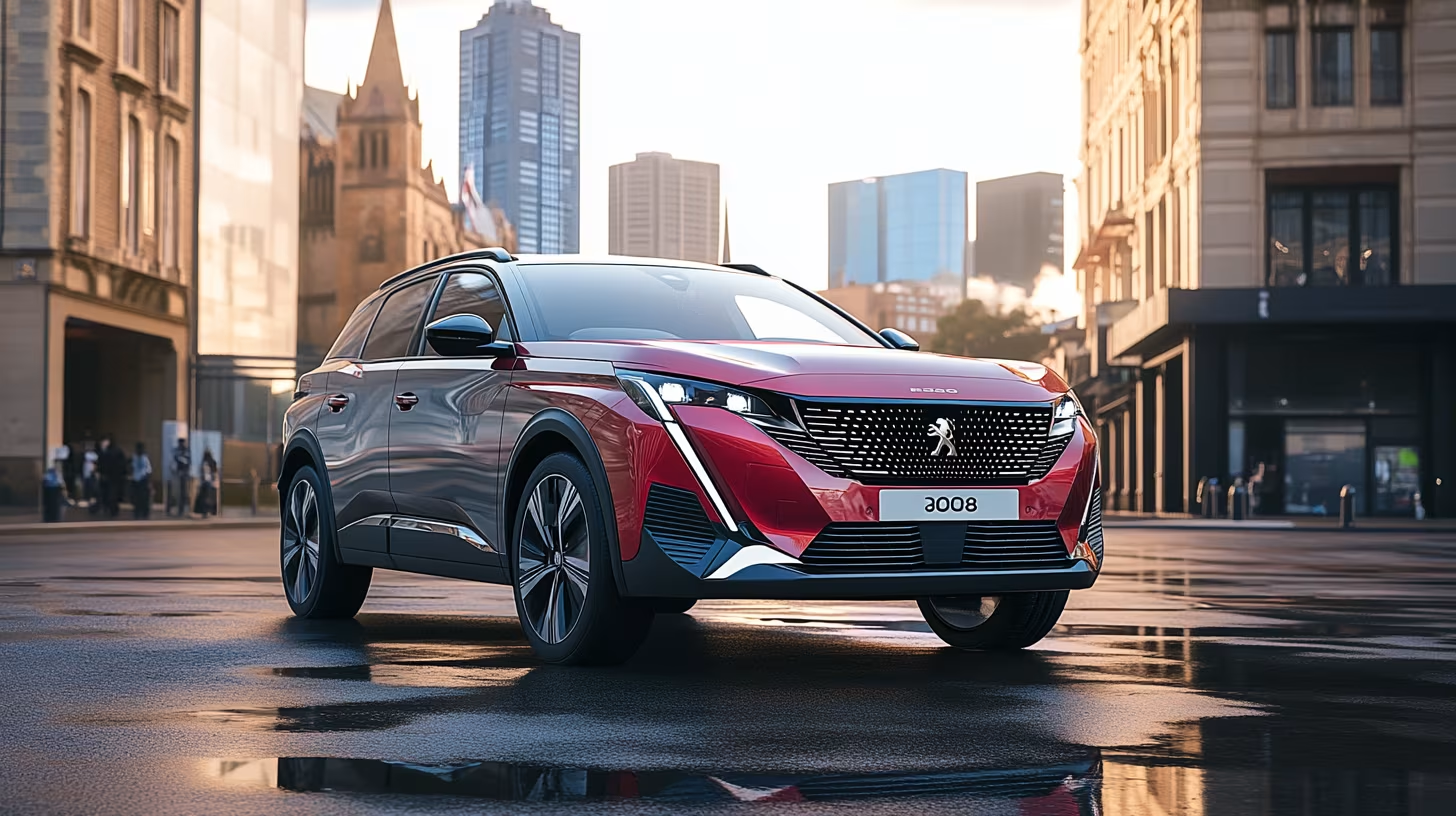
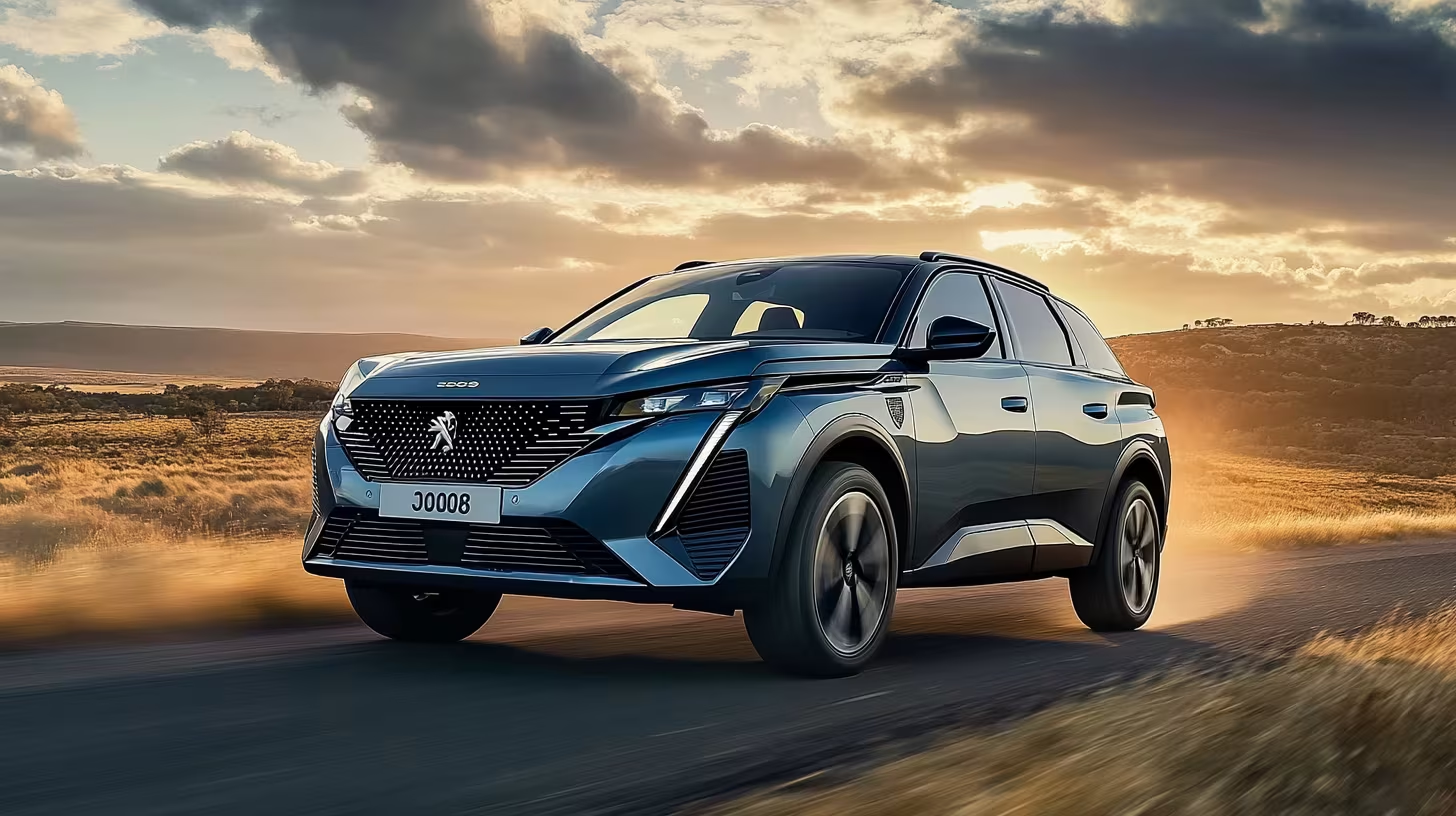
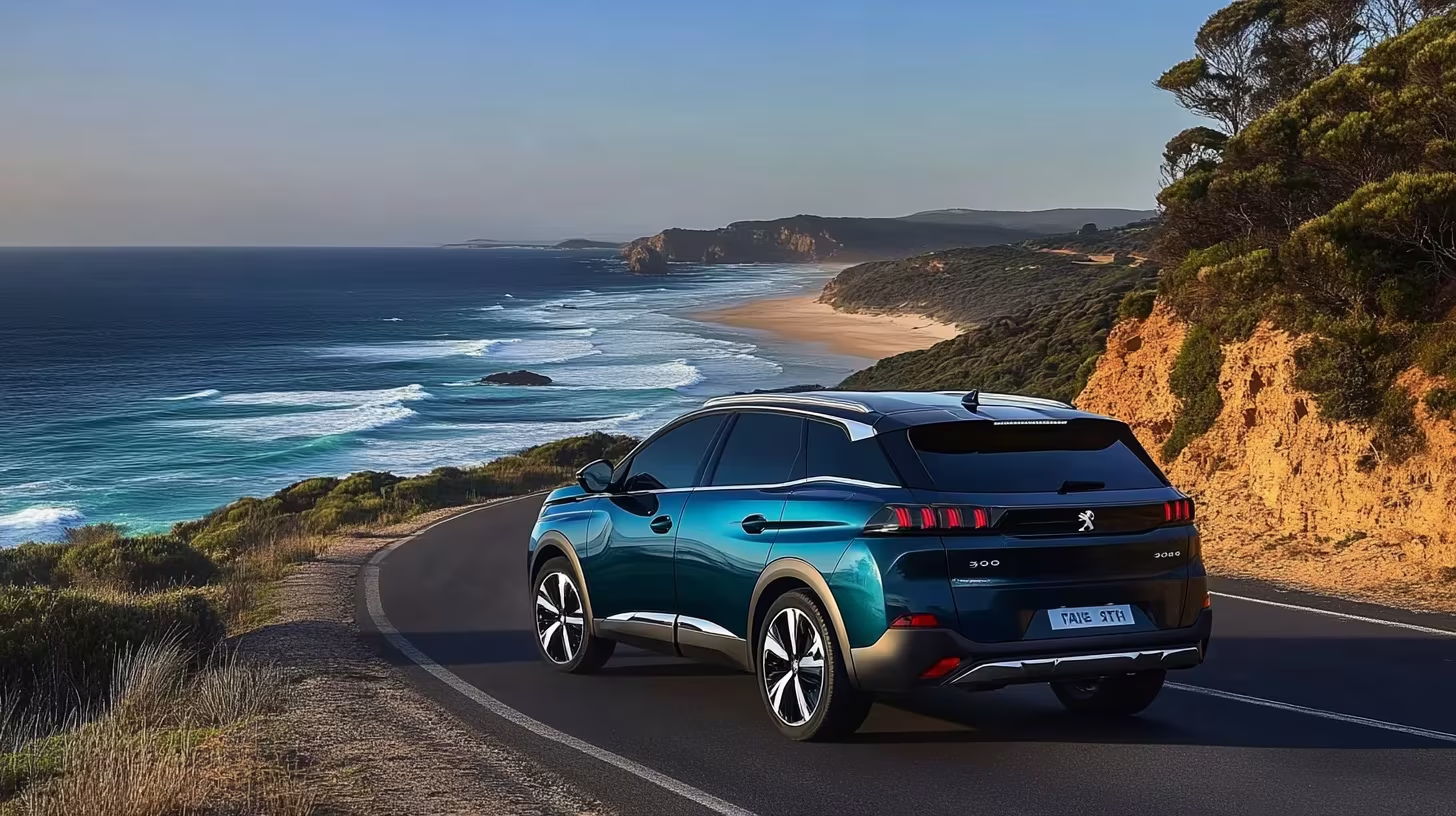
The Peugeot 3008 continues to stand out in Australia’s crowded midsize SUV market, blending striking French design, roomy practicality, and advanced tech in a surprisingly premium-feeling package. Now available in turbo-petrol, new mild-hybrid, and plug-in hybrid (PHEV) AWD form, the 2024–2025 3008 range caters to families, commuters, and eco-focused buyers alike. The 3008’s sharp fastback lines, signature “claw” lighting, and upmarket cabin—with Peugeot’s i-Cockpit curved digital dash—give it showroom appeal and make everyday drives a little less ordinary. Class-leading boot space (591 L seats up, 1,670 L folded), five-star safety, and a full suite of driver-assistance make the 3008 a true contender for active households and working professionals.
New models sharpen comfort with plush Nappa leather, massaging/heated seats, panoramic sunroof, and high-end Focal audio on GT Sport trims, while even base Allure models pack adaptive cruise, digital cockpit, and a big 10-inch touchscreen with Apple CarPlay/Android Auto. The petrol and hybrid engines strike a strong balance between performance and economy, while the PHEV offers a taste of silent electric commuting and SUV practicality in one. Capped-price servicing and a five-year/unlimited km warranty seal the value promise for Aussie buyers. If you want stand-out Euro style, safety, and flexible utility at a sensible price, the Peugeot 3008 deserves a test drive.
Available models

Want Solar Finance Options?
Compare lenders and get tailored loan offers.
3008 Performance & Power
Powertrain options for 2025 include a 1.6L turbo-petrol (133–165 kW), a mild hybrid, or a GT Sport PHEV with a 1.6L turbo paired to dual electric motors, for 222 kW and AWD flexibility. “Working together, the 3008’s 1.6-litre turbo petrol four-cylinder and two electric motors produce 222kW of power and 520Nm of torque” (John Law, Chasing Cars). The PHEV’s electric torque delivers a lively launch, responsive acceleration, and smooth, quiet city commuting for 40–60 km before petrol fuel takes over for long trips.
Gas-only and hybrid models remain punchy by class standards, with reviewers praising brisk low-speed response and refined throttle mapping. The 8-speed auto is tuned for comfort rather than hard-edge sport, which most Aussie buyers prefer for daily duties. AWD PHEV models make light work of wet roads and mild trails, while the turbo petrols satisfy both urban and highway needs.
3008 Interior & Design
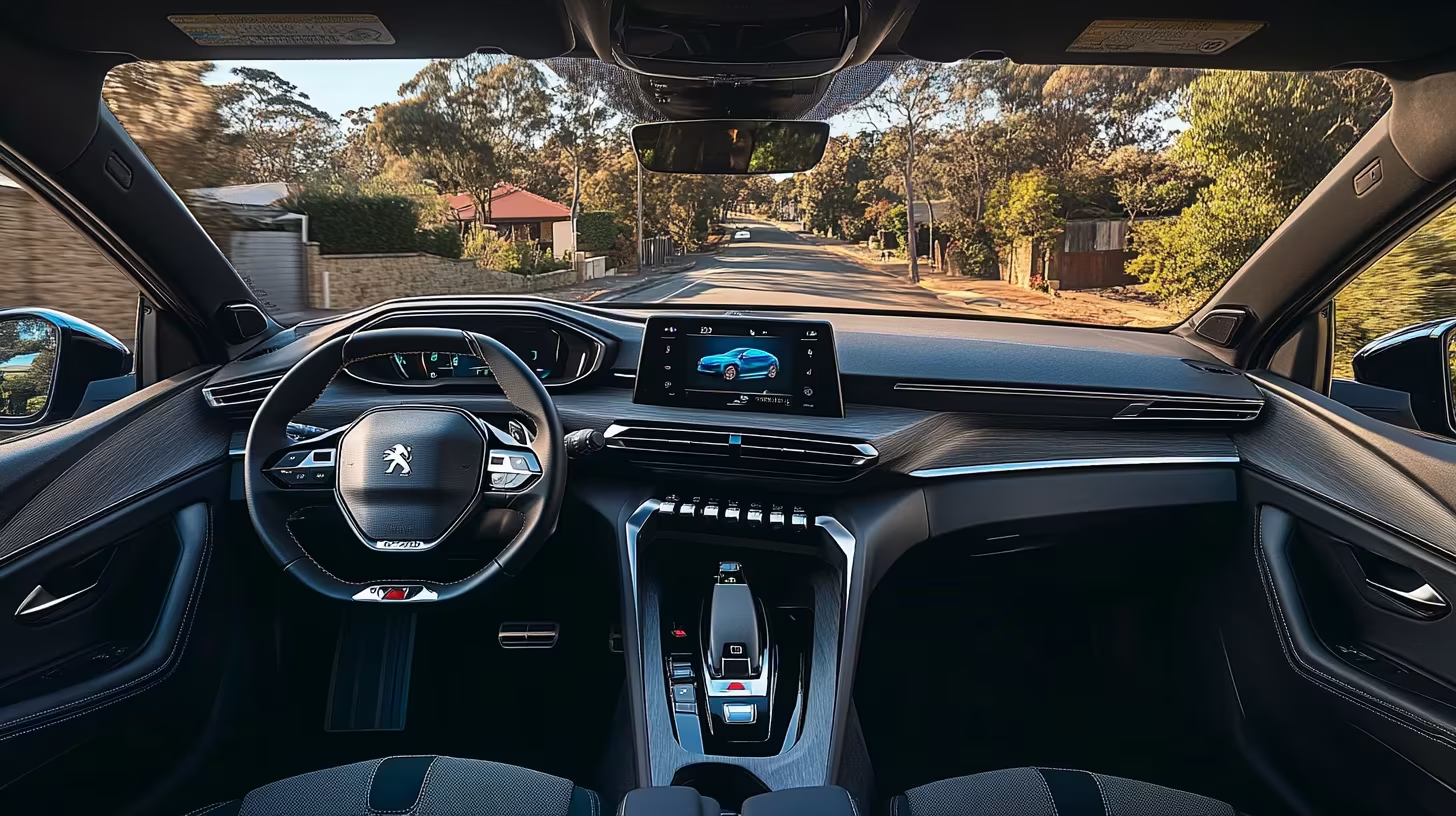
Inside, the Peugeot 3008 is all about “premium feel, spaciousness, and practicality” (Feann Torr, Carsales), with an adaptable cabin loaded with soft-touch trim, designer details, and signature “piano key” toggles. The 12.3-inch i-Cockpit digital dash and 10-inch touchscreen create a futuristic vibe, while GT trims add Nappa leather, panoramic roof, and massaging front seats. Reviewers love the “high-set, command” driving position and quilted seats, even if some materials (piano black plastics) can show fingerprints and wear.
Rear seat legroom is good for two adults or three kids, while the 591 L boot is a huge win over most rivals—expanding to 1,670 L for camping or bikes. Split-fold flat seats and a low lip make cargo a breeze. The curved-dash design and ambient lighting score style points with urban buyers, making the 3008’s cabin a real highlight in the class.
3008 Technology & Safety
Every new 3008 includes a 10-inch touchscreen, digital cockpit, Apple CarPlay/Android Auto, lane-keep, AEB with pedestrian and cyclist detection, adaptive cruise control, blind-spot, and 360-degree camera on upper trims. “Peugeot’s regenerative braking is smartly tuned, with three modes ranging from barely there to so strong it should be one‑pedal driving” (Scott Collie, CarExpert). Mid- and upper-level models add Focal 10-speaker audio, electric seats, driver massage, and navigation.
While testers praise the comprehensive active safety and driver assists (“adaptive cruise keeps ample safe distance and rear cross-traffic warns reliably,” Jack Quick, CarExpert), some dislike climate and seating controls tucked inside the touchscreen. Full-size airbags and lane/traffic support, plus 5-star ANCAP rating, give family buyers peace of mind. App integration and voice control are available.
3008 Range & Charging
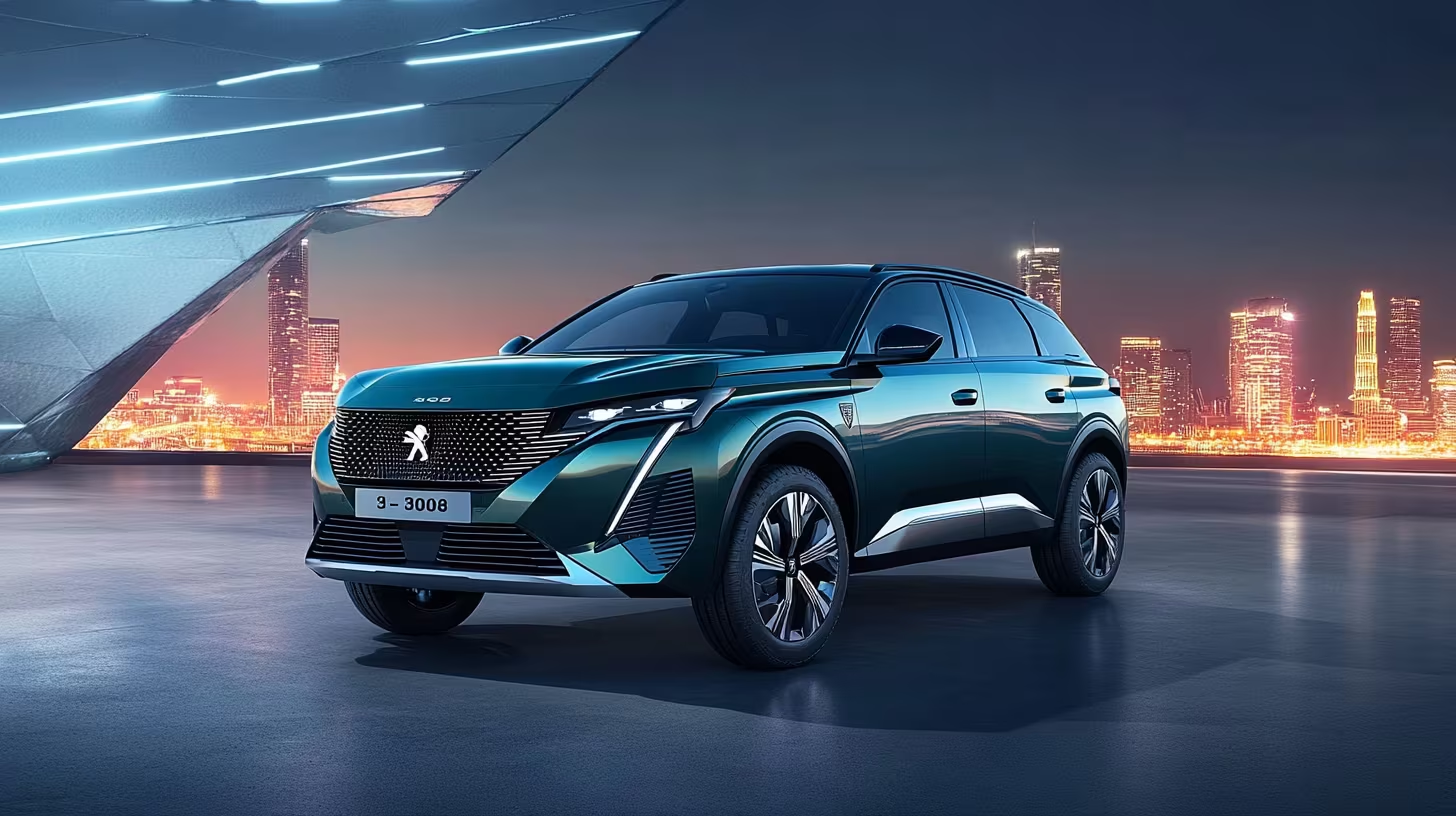
Hybrid and PHEV 3008 models offer up to 60 km pure-electric range (WLTP); a 13.2 kWh battery charges via home 3.7 kW AC charger in about 3.5 hours, or slowly on a regular socket overnight. Real-world fuel use is around 4.9–6.2 L/100 km for hybrids, and 1.6 L/100 km for PHEVs with regular charging—jumping to 5–6 L/100 km once the battery is flat. The petrol-only model averages 6.8–8.0 L/100 km.
Boot capacity of 591 L (seats up, class-leading) expands to 1,670 L with easy-fold seats, tackling family or tradie hauls easily. Towing stands at 1,250 kg (braked), and the underfloor boot is flat, practical, and accessible. Whether you need to haul bikes, bags, or school gear, the 3008 handles it all confidently.
3008 & Solar Power
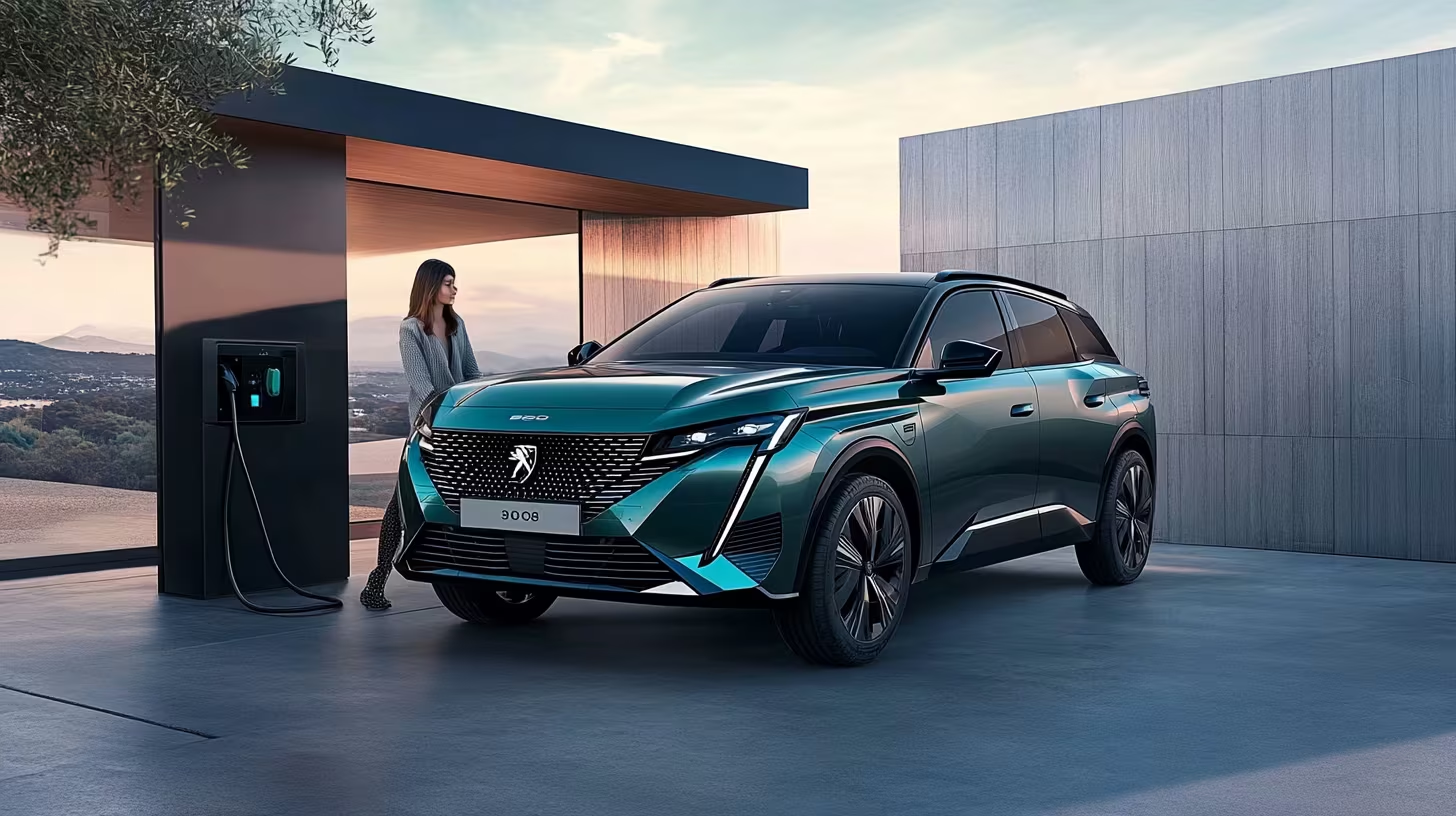
Many Peugeot 3008 PHEV owners are switching to solar panels for home charging, cutting fuel costs and operational emissions to nearly zero when driving locally. Plugging into a EV charger enables scheduled charging at off-peak or solar-rich times, maximising the hybrid’s electric-only range. Solar plus PHEV delivers the lowest long-term running costs for urban commuters and business fleets. Even petrol 3008 drivers benefit from reduced home electric bills by running major household loads on solar, future-proofing for a possible EV upgrade.
FAQ - Peugeot 3008
What is the price of the Peugeot 3008 in Australia?
The 2025 Peugeot 3008 GT Sport AWD PHEV starts from $79,990 drive-away; turbo petrol and hybrid models are expected to arrive at lower price points. "Peugeot 3008 price", "price Australia", and “for sale” spike among new buyers. On-roads, paint, panoramic roof, and accessories all impact the final total. Dealer demo specials and capped-price servicing can lower TCO. Always check your local dealership for the latest drive-away offers.
How much boot space does the Peugeot 3008 have compared to rivals?
The 3008’s 591 L (seats-up) boot beats most Australian midsize SUV competitors, expanding to 1,670 L with flat-folded rear seats. "3008 boot space", "litres", and "size" are top family and business FAQs. The wide tailgate and low floor make loading easy for prams, sports gear, or work tools. Underfloor trays, split-folding, and a low sill add usability. 3008’s cargo setup is among the most praised in reviews.
What is the Peugeot 3008 GT Sport PHEV’s pure electric range and hybrid fuel economy in practice?
Officially 60 km WLTP electric-only, reviewers typically achieve 35–50km in city use before the petrol engine takes over. “Hybrid review”, "charging", and “range” trend with eco shoppers. With overnight home charging, average users realise 1.6–2.5 L/100 km, but fuel use rises to 5–6 L/100 km running only on petrol. Regular city charging is key for fuel and future savings. Long road trips make the hybrid mode worthwhile.
How does the Peugeot 3008 interior feel and what tech does it offer?
Curved 12.3-inch cockpit and 10-inch touchscreen with Apple CarPlay/Android Auto create a “dramatic” and driver-focused vibe. Top trims include Nappa leather, heated/massaging front seats, panoramic sunroof, and Focal premium audio. Storage for phones, bags, and bottles is generous, though some basic controls are menu-based. High driving position, ambient lighting, and big windows make city and country runs easy. Most reviewers call it “upscale for the price.”
What safety features are standard on the 3008 and what is its ANCAP score?
All current Australian deliveries hold a five-star ANCAP safety rating. “Adaptive cruise”, “AEB”, "lane-keep", “blind spot”, “rear cross-traffic”, and "360 camera” (GT/PHEV) are included or available across the range. Child-seat ISOFIX and airbag complement are family-friendly. Reviewers highlight the effective cruise and lane-keeping support, but some wish for more advanced collision and head-up display options at this price. Safety alerts are well-tuned for city and highway use.
How does the 3008 perform against Mazda CX-5, Volkswagen Tiguan, or Toyota RAV4?
City and country reviewers praise the 3008’s turbo punch, agile handling, and unique interior, but note firmer ride at highway speeds. "3008 vs CX-5", "vs Tiguan", and "vs RAV4" trend in comparison searches. All three rivals match or beat the 3008 for base price and resale, but Peugeot wins on style, premium finishes, and EV/electric benefits in the PHEV. Boot space is larger than most.
Can I charge the 3008 PHEV at home with solar power, and what’s the best charger?
Yes—solar-compatible [EV chargeres](https://topproperty.eco/solar-installers) cut running costs to near zero for regular commuters. Plug-in charging is easiest overnight or on sunny afternoons if your panels are sized correctly. "Solar charging", "EV charger", or "solar install" now feature in PHEV searches. Public charging is slower but can top up quickly if AC bays are empty. Battery warranty and app support are standard on PHEVs.
How reliable is the Peugeot 3008?
Recent versions have a good reputation in Australia for battery reliability, drivetrain, and overall build, helped by five-year warranty and capped servicing. "Reliability", "problems", and "battery life" are trending reassurance searches. Some owners report infotainment glitches or minor electrical faults, resolved under warranty. Dealer support is widely available, with fast digital record updates. Battery degradation is rare for Aussie city commuters.
How often does the 3008 need to be serviced, and what does maintenance cover?
Service intervals are every 12 months or 20,000km; five-year capped price programs cost about $400 per service. "Service cost", "maintain", and “interval” rank highly for owner FAQ. Each visit includes standard fluids, brake checks, battery diagnostics (PHEV), and software updates. Servicing roadside assist is included for warranty period. PHEV battery and system health are checked at each visit.
What is the 3008 PHEV’s towing capacity and can it be used for long trips?
All 3008 AWD PHEVs are rated up to 1,250 kg (braked) towing; petrol models are similar, making it suitable for small caravans or camping trailers. “Towing”, "towbar", and "caravan" are major search points for country and active buyers. Payload and range drops when towing EV-only, but petrol backup ensures range for trips. Always use dealer-approved towing equipment for warranty.
Does the Peugeot 3008 have child-seat anchors, ISOFIX and family features?
Yes—all trims have dual ISOFIX rear seat anchors and top-tether, and the rear seat split is ideal for fitting multiple child restraints. "Family", "isofix", "rear seat", and “child seat” are high on new-parent searches. Split-fold seats and a flat boot floor help with prams and play gear. Cabin rear vents, easy access, and high driving position all suit Aussies with little ones.
How economical is the Peugeot 3008 PHEV for daily city use?
Plug-in charge every night and the PHEV returns routine under-2 L/100 km fuel, often with weeks between petrol top-ups in Sydney/Melbourne. "Fuel economy", "hybrid range", and "electric efficiency" are high in TCO research. Urban drivers love the easy e-mode, silent running, and reduced bills. Highways and long trips see real use rise to 5–6 L/100 km, so plugging in is always worthwhile.
Is the Peugeot 3008 easy to drive and park in city environments?
Compact length (4.45m), light steering, reversing camera, sensors, and tight turning circle makes the 3008 a cinch for urban living, shopping, and parallel parking. "City driving", "parking", and "comfort" score high in real-world feedback. Blind spot and traffic sign support give further ease around busy suburbs. GT and PHEV trims add park assist for hassle-free city use.
Can the 3008 EV or hybrid tow a trailer, and what’s the official rating?
PHEVs can tow 1,250 kg (braked) or 750 kg (unbraked), enough for most box trailers, small boats, or motorcycles—matched to city holiday needs. "Towing capacity", "hybrid tow", and "trailer" queries rank high. Always check your VIN, handbook, and with a Peugeot dealer when fitting towbars. EV-only range will drop quickly under heavy load.
What are common issues or complaints with the Peugeot 3008 from owners?
Most recent complaints relate to infotainment lags, climate control buried in menus, or early battery/wiring issues on early PHEVs. “Problems”, "owner review", and "issues" peak for AU web searches. Dealer warranty and software updates fix most common snags, and mechanical reliability is good for recent builds. Interior wear is slightly higher than Kia/Mazda but warranty responses are swift.
Does the Peugeot 3008 PHEV or Hybrid+ require special fuel or maintenance?
Both petrol and PHEV trims run best on 95-octane, with regular dealer service and battery/cooling checks for hybrids. "Fuel type", "hybrid maintenance", and "PHEV cost" trend strongly for value buyers. No plug-in hybrid requires home charging but regular charge maximises saving. Engine diagnostics, brake, fluid, battery health are all checked in regular visits.
What is the Peugeot 3008 warranty and how does it compare in Australia?
Peugeot’s new car and battery warranty is 5 years/unlimited km (PHEVs), with five-year capped priced service as standard. "Warranty", "service", and "support" are big family fleet and business questions. Battery and drivetrain cover is on par with Kia, Toyota, and Hyundai. Roadside assist and full digital service logbook are included.
How does the Peugeot 3008 compare for resale and running cost?
Recent 3008 resale values have improved, particularly for higher trims and PHEVs. "Resale", "value", and "second hand" are high-volume search terms. Five-year warranty and capped service program help support strong resale. Service and battery costs are low for 3–5 years. Used 3008s are easy to find and maintain with Peugeot’s growing dealer network.
What is the plug-in charging time for the Peugeot 3008 PHEV?
At 3.7 kW, a standard EV charger gets to 100% in about 3.5 hours; a regular plug can take five or six hours. "PHEV charging", "EV charger", and "plug-in" are trending high for metered and solar home owners. Always check cable compatibility and maximise by charging overnight.
Where is the Peugeot 3008 built and how is it supported in Australia?
All 3008s for Australia are built in France or Spain, backed by Peugeot Australia’s expanding dealer and warranty network. "Where made", "service", and "dealer” are up there for aftersales research. Aussie parts supply is strong and warranty claims are well supported. Regional buyers now report better service than five years ago.
Find EV Chargers & Solar Power by State
Discover charging infrastructure and solar power options for your PEUGEOT 3008 in your state:
*Disclaimer: This page includes information, descriptions, and images that may have been created or enhanced with the assistance artificial intelligence, powered by our proprietary Ray-i (AI) technology system. While we do our best to ensure accuracy, specifications and details can vary between models, regions, and over time as manufacturers make updates. Images are for illustrative purposes, and the content is provided for general reference. For the most up-to-date specifications or features, we recommend checking directly with the manufacturer or your local dealer.