

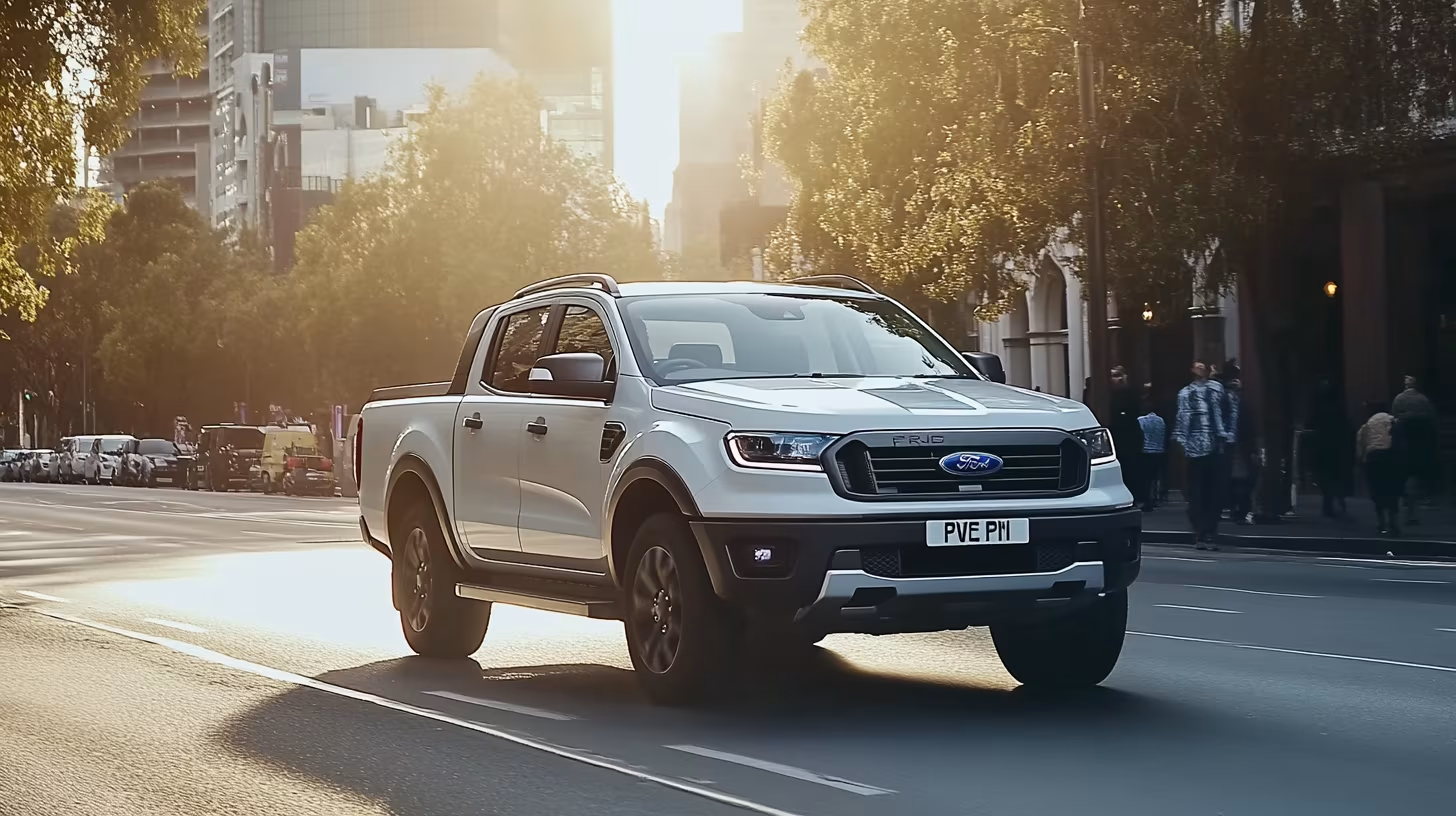
Ranger PHEV
FORD
Ranger PHEV Introduction
The Ford Ranger PHEV is set to redefine the dual-cab ute landscape in Australia, delivering tough hybrid performance, real-world electric range, and the towing capability adventurers and tradies demand. Combining a 2.3L turbo petrol engine with a 75kW electric motor, the Ranger PHEV produces a robust 207kW and a hefty 697Nm, running through a 10-speed automatic gearbox to a full-time 4WD system. With up to 49km electric-only range (WLTP) from its 11.8kWh battery, this plug-in hybrid bridges city efficiency and remote off-grid utility—while keeping tradie and recreational towing sorted with a 3,500kg braked tow rating and up to 973kg payload. AC-only charging prioritises home or depot convenience for predictable daily use.
The PHEV line-up brings familiar Ranger touches—12-inch touchscreen, wireless CarPlay/Android Auto, dual-zone climate, and advanced safety tech—across XLT, Sport, Wildtrak and flagship Stormtrak trims. Owners can access “Pro Power Onboard” outlets to run tools/worksite devices, while matrix LED headlights and a 360-degree camera upgrade visibility on higher variants. While some lower trims drop LED headlights and lane-centring, the move to hybrid ensures Ford’s workhorse stays relevant through changing emissions standards and the electrification push. Though the small battery and limited fast-charging may not impress those chasing outright EV alternatives, the Ford Ranger PHEV stands apart as Australia’s toughest hybrid ute for both daily and adventure-ready use.
Available models

Want Solar Finance Options?
Compare lenders and get tailored loan offers.
Ranger PHEV Performance & Power
Powering the Ranger PHEV is a 2.3-litre turbocharged petrol engine paired with a punchy 75kW electric motor, resulting in 207kW/697Nm—making it one of the most torque-rich Ford Rangers ever. Alex Misoyanis (Drive) explains, "Powering the Ranger PHEV is a 2.3-litre turbocharged four-cylinder petrol engine developing 138kW/411Nm, augmented by a 75kW electric motor." The hybrid system’s smooth integration gives off-the-line electric punch for city running or quick overtakes on the highway, while the tried-and-tested 10-speed auto remains effortless under heavy loads.
Lukas Foyle (Chasing Cars) points out that torque (697Nm) actually exceeds the Raptor, driving strong low-speed and off-road response, but notes it doesn’t match the outright power (321kW) of some hybrid or dual-motor rivals. Dex Fulton (Unsealed 4X4) observes, "Hybrids... do away with a lot of the barriers for most of us wheelers, and it has to be said that the PHEV ticks a lot of boxes." While the extra battery weight (over 2,500kg kerb) slightly blunts outright acceleration, the electric motor’s assistance makes day-to-day driving smoother and more composed—especially with a trailer or worksite load out ba
Ranger PHEV Interior & Design
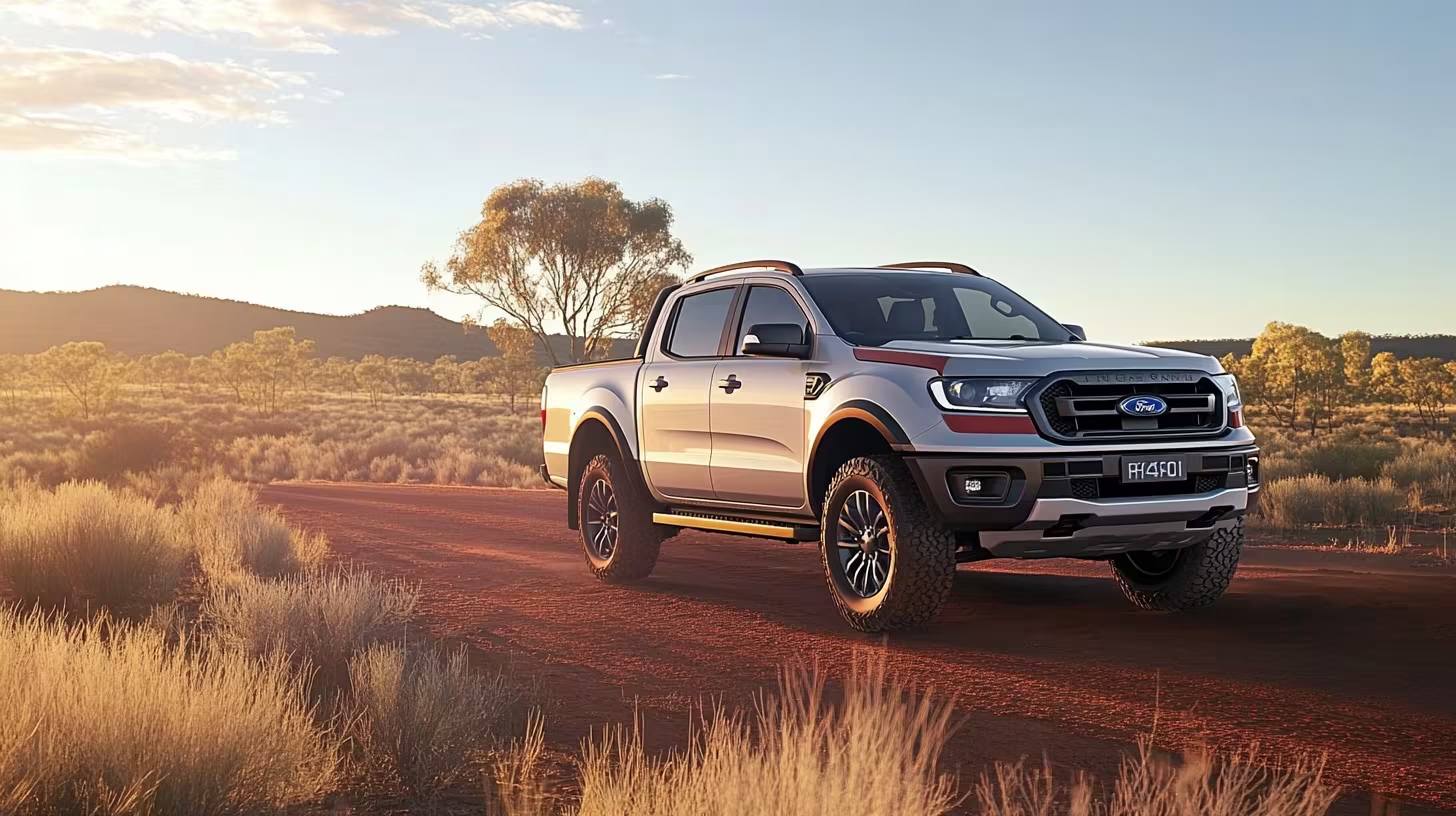
From the outside, the Ranger PHEV doesn’t stray far from its diesel siblings, but unique touches help it stand out—especially in Stormtrak and Wildtrak trims. Jordan Mulach (CarExpert) highlights "aerodynamic-look wheels, ‘PHEV’ badging... and an active front grille shutter" distinguishing the XLT and up. Stormtrak models serve up exclusive hues like Chill Grey and Agate Black, unique grille and flexible rack systems, and extra premium cabin flourishes for those seeking SUV-grade luxury.
Dex Fulton (Unsealed 4X4) singles out Stormtrak’s “luxo cabin”, bold wheels and unique fascia as standout perks, underlining that the PHEV doesn’t skimp on presence. Functional changes—including a charging port, tweaked tyres for the extra weight, and subtle lip mouldings—are mostly well-integrated, but base trims drop some upmarket features (like full LED headlamps). Wildtrak’s multi-spoke patterned wheels, highlighted by Mulach, add “visual drama to the overall package.” The overall result: a hybrid ute that blends worksite muscle and curb appeal.
Ranger PHEV Technology & Safety
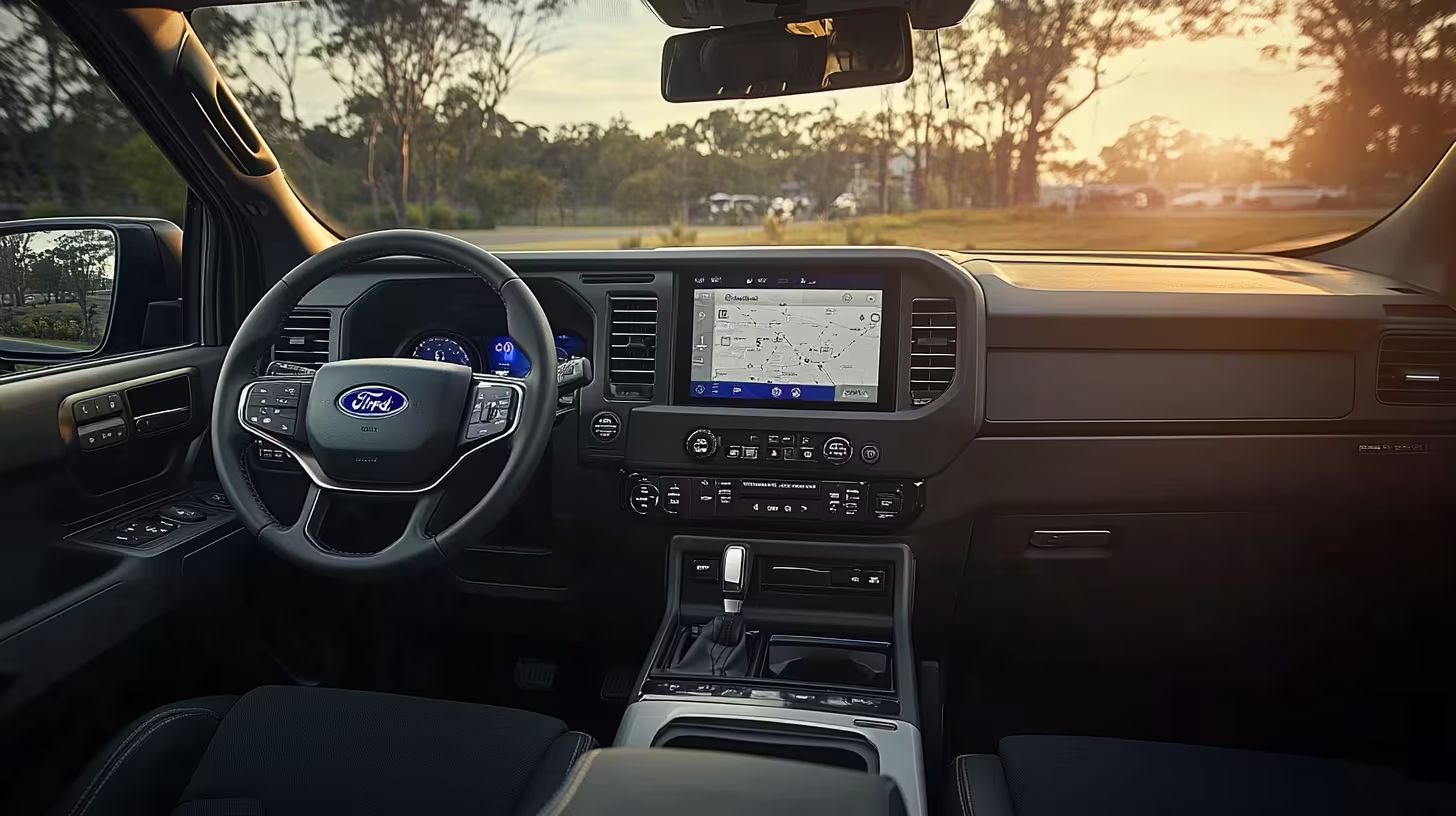
All Ranger PHEV grades come tailored for hard use, packing a 12-inch touchscreen, wireless phone mirroring, adaptive cruise, blind-spot monitoring, and available heated seats depending on grade. “Pro Power Onboard” gives owners access to a 2.3kW (cab) and 3.45kW (tray) power supply—perfect for charging gear or running tools in the field, as Alex Misoyanis (Drive) notes. Jordan Mulach (CarExpert) adds, "Ranger PHEVs will also be the only variants... to include external power outlets," cementing its appeal for tradies and outdoorsy types.
Four drive modes—Auto EV, EV Now, EV Later, and EV Charge—allow users to tailor hybrid operation for city, highway, or remote work scenarios, though Dex Fulton (Unsealed 4X4) says more advanced DC charging options would be welcome. Only higher trims get 360-degree cameras, lane-centring, and matrix LEDs; XLT makes do with halogen lamps and skips traffic-sign recognition. Safety is dependably strong, with AEB, cross-traffic alert, and road-edge detection retained across much of the range. All systems help ensure this Ford stays a leader in the working hybrid utility segment.
Ranger PHEV Range & Charging
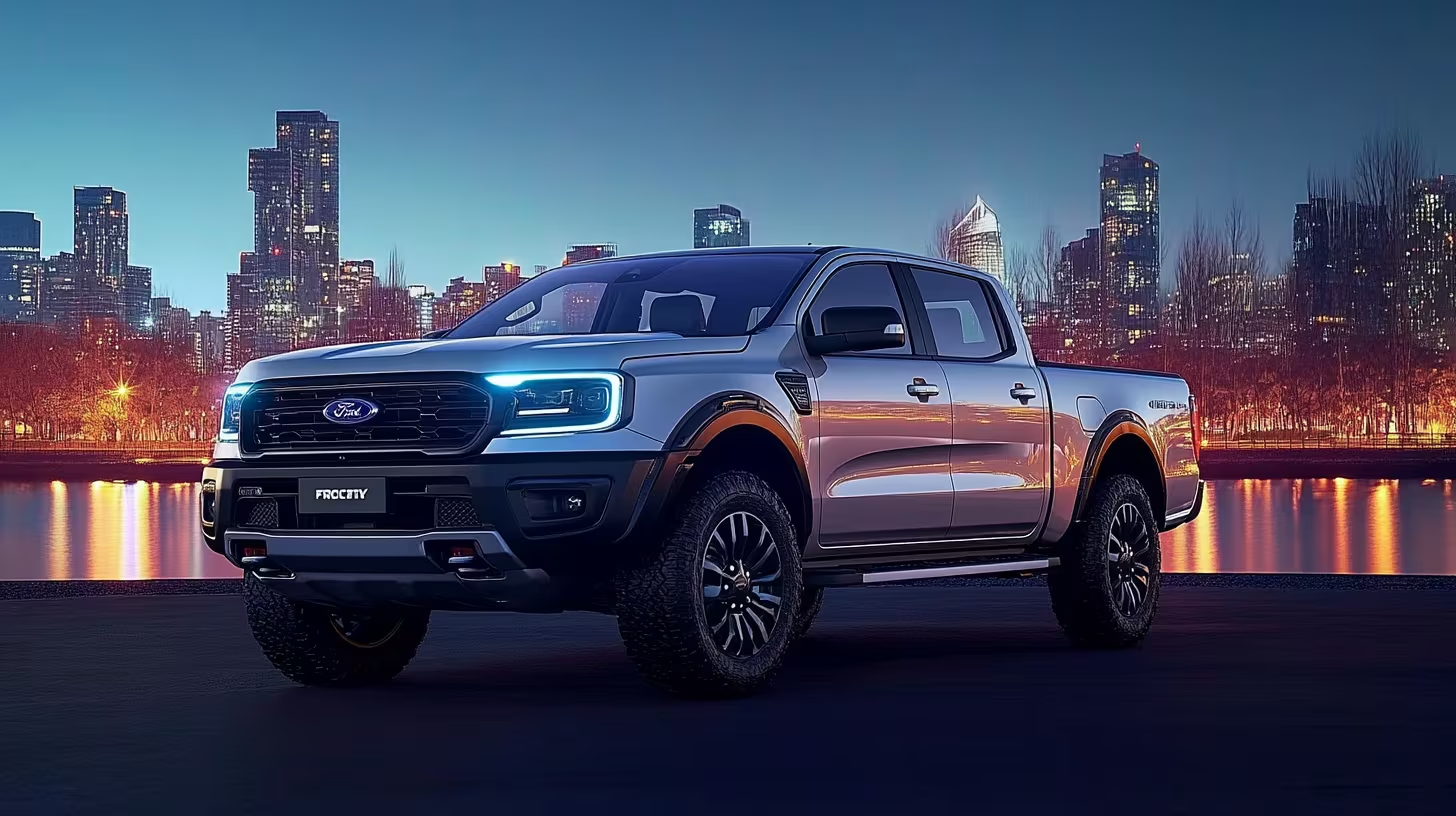
Range and charging are tailored for the daily Aussie commute rather than outright electrification. Alex Misoyanis (Drive) states, "The 11.8kWh battery is claimed to enable up to 49km of electric driving range..."—enough for most urban journeys but falling short of class leaders like BYD Shark (~100km). AC charging maxes out at 3.5kW (no DC fast charging), equating to roughly 4 hours for a full charge at home or depot—adequate for overnight or at-work routines.
Lukas Foyle (Chasing Cars) is direct: "The Ranger PHEV has a modest 49km (NEDC) range, less than half of what the competition offers." Daily users with short commutes can comfortably go electric for most trips, reverting to hybrid operation for regional jobs or weekend escapes. The battery’s small size aids quick top-ups, but those planning long electric-only drives may feel limited. Ford says the size aligns with current buyer behavior; quick home recharging smooths daily use for most hybrid-ute buyers.
Ranger PHEV & Solar Power
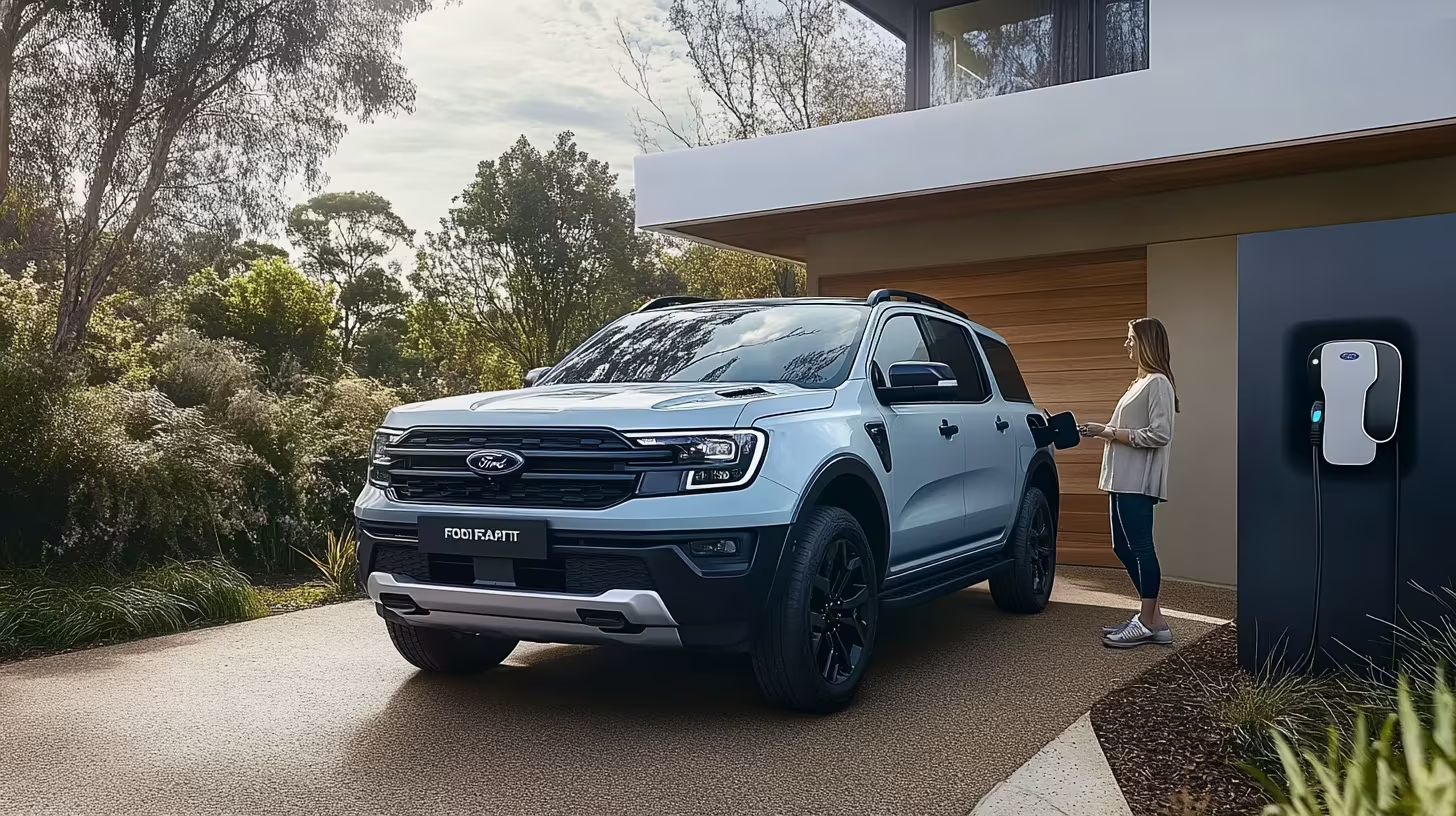
Owners pairing the Ranger PHEV with rooftop solar can cover most daily driving needs nearly for free, with the 11.8kWh battery requiring little power to fill from solar each day. Most Australia’s average home solar systems are sized well for light-to-moderate commuting, exploiting off-peak daylight hours for maximum savings. While the lack of DC rapid charging limits solar system-to-vehicle compatibility, overnight or slow daytime charging is a great fit for tradies who leave the ute at home.
Installing a garage or depot EV maximises convenience and lets owners use their solar output effectively. Combined with rising grid prices, the Ford Ranger PHEV’s cost of ownership drops fast over time for solar-savvy buyers. Those looking to get started can find a local EV charger installer for simple, payback-friendly advice.
FAQ - Ford Ranger PHEV
What is the price of the Ford Ranger PHEV in Australia?
The Ford Ranger PHEV range starts at $71,990 (XLT), with Sport, Wildtrak, and flagship Stormtrak models ranging up to $86,990, all before on-road costs. “ford ranger phev price” and "ford ranger phev australia price" are common searches as customers compare trims and dealer offers. Prices can vary with options, accessories, and local tax incentives. Always check your chosen dealer for live drive-away quotes and potential rebates.
What is the towing capacity and payload for the Ford Ranger PHEV?
All PHEV Rangers can tow up to 3,500kg (braked), matching the diesel rivals, and have payloads up to 973kg depending on model. This makes the PHEV suitable for caravanners, tradies, and families with trailers. The hybrid drivetrain provides plenty of low-end torque for towing. Electric-only range is reduced under heavy trailer or load but hybrid mode ensures consistency.
How far will the Ranger PHEV go on electric power?
The 11.8kWh battery delivers up to 49km WLTP electric range, best for daily commutes and city errands. Once the battery depletes, the hybrid engine takes over for a combined 2.9L/100km claimed efficiency. “ford ranger phev range” is a rising term as drivers calculate potential savings and eco benefits. For regional and towing work, hybrid mode means you’re never stranded.
When is the Ford Ranger PHEV releasing in Australia?
Australian deliveries are set for late 2024 into early 2025, with pre-orders open now for XLT, Sport, Wildtrak, and Stormtrak grades. Buyers searching “ford ranger phev release date australia” or “ford ranger phev australia launch” should check with local dealers for earliest stock. Early demand and state fleet interest are already high. Detailed timings may vary by location and variant popularity.
Does the Ford Ranger PHEV support DC rapid charging?
No—charging is limited to up to 3.5kW AC on a home or work EV, with a full recharge taking about 4 hours. This means there is no DC fast charging in Australia; most owners will top up overnight or during work hours. The battery is best sized for daily electric commutes and shorter jobs. Commercial and fleet users should plan depot charging for optimal convenience.
How does the Ford Ranger PHEV compare to the BYD Shark 6?
The BYD Shark 6 offers a much larger battery, faster AC/DC charging, and nearly double the electric range. However, the Ranger PHEV matches it on towing and off-road strength, and has a more established dealer network and warranty. For pure electric city driving, the Shark 6 leads, while the Ford PHEV wins for rugged work and fleet appeal. “ford ranger phev vs byd shark” is a rising comparison for ute buyers.
What interior and tech features are offered on the Ranger PHEV?
All models feature a 12-inch touchscreen, wireless CarPlay/Android Auto, navigation, climate, and advanced driver safety aids. Leather-accented seats, heated steering wheel, and matrix LED lights are available on Wildtrak and up. Pro Power Onboard lets users run tools and devices from both cabin and tray outlets. Some entry models drop high-end lighting and cameras, but the feature list remains strong for the segment.
What about warranty and battery cover on the Ford Ranger PHEV?
Australian Ranger PHEV buyers receive a standard five-year, unlimited kilometre vehicle warranty and eight years/160,000km battery warranty. This matches or exceeds many rivals and adds peace of mind for businesses and owners. Service intervals and pricing mirror the diesel models. Ford’s national dealer and servicing network ensures rapid support and parts.
Is the Ford Ranger PHEV suitable for off-road or remote use?
Yes, the 4WD system, high torque, and heavy-duty chassis remain well-suited to off-road work, camping, and bush trips. Unique hybrid features like Pro Power Onboard are a draw for tradies off the grid. Electric range is short in hard conditions but hybrid operation preserves overall usability. Payload and ground clearance are similar to other Ranger models.
How does the Ranger PHEV work with home or depot solar charging?
The 11.8kWh battery is ideally sized for Australian household solar, making home charging nearly free on sunny days. Using an off-peak EV ensures energy-saving and “green” driving for most daily commutes. Over time, combining solar and EV use can dramatically reduce running costs. [Install a solar EV or get advice here](https://topproperty.eco/solar-installers) for maximum savings and rapid payback.
What safety features are included in the Ford Ranger PHEV?
Standard kit covers adaptive cruise, lane-keeping, AEB, blindspot monitoring, and dual front/side/curtain airbags; Wildtrak and Stormtrak add 360-degree cameras, lane centering, and matrix LEDs. The PHEV is designed to match diesel Rangers for crash structure and driver aids. Safety trims may differ by grade, so check before ordering. All models are built with work and family use in mind.
Can fleet and tradie users benefit from plug-in hybrid power?
Absolutely—running short trips and work site jobs on electric saves fuel and cuts emissions, but longer trips and heavy towing won’t leave you stranded. Pro Power Onboard can run jobsite gear or recreation equipment from the ute’s own outlets. Fleet managers appreciate the reduced running costs and maintenance savings. Plug-in hybrid power may also help future-proof against stricter city emissions laws.
How does the Ranger PHEV ride compared to traditional diesel Ranger models?
Battery weight does change the ride feel slightly, making the PHEV a touch heavier and more planted over bumps, but Ford engineers have tuned the suspension for minimal compromise. Steering feel and body control are retained, keeping the ute easy to use around town or on challenging dirt roads. The hybrid system is smooth to engage, blending EV silence and turbo boost. Most reviewers call it one of the more refined Rangers to date.
Is there a tax incentive or government rebate for buying the Ranger PHEV?
In some states, PHEVs are eligible for discount registration, stamp duty, or fleet tax advantages. Eligibility and size of rebates will depend on the latest state and federal incentive programs. Commercial buyers should consult their accountant for possible FBT or instant asset write-offs. Watch for government updates and check “ford ranger phev australia price incentives” before purchasing.
Will the Ford Ranger PHEV be available as a lease or novated option?
Yes, novated leases are expected to be widely supported given the PHEV meets common salary packaging, business, and government fleet criteria. Ask your financial provider or leasing company for formal eligibility. Plug-in hybrid commercial vehicles are increasingly in demand for their lower running costs. Finance options may differ according to trim and delivery dates.
What are the exterior dimensions and payload of the Ford Ranger PHEV?
The PHEV model shares most of its dimensions with other Ranger Crew Cab variants, including a spacious load tray and a gross payload rating up to 973kg. It can still take full-size tradie or camping gear as before. Towing remains up to 3,500kg braked across the model range. For specific payload and tray measurements by trim, see the Ford Australia brochure.
Does the PHEV Ranger require special servicing or additional maintenance?
Regular intervals and servicing costs mirror diesel models, with the hybrid system needing only periodic battery/system checks. Ford service centers are equipped for both engine and battery maintenance. The electric motor and battery require little maintenance due to fewer moving parts. Owners can expect lower long-term running costs versus diesel.
How does Pro Power Onboard work, and why is it useful?
This feature draws battery or engine power to supply 230V outlets both inside the cabin and in the ute tray, running tools or lighting at job sites or campgrounds. It essentially adds the versatility of a small portable generator to the PHEV Ranger. Peak draw is up to 3.45kW (tray) or 2.3kW (cabin). It's a unique selling point over most traditional 4x4 competitors.
Is there a Ford Ranger PHEV Wildtrak or Stormtrak for long-distance travel?
Yes, both trims feature the full hybrid system with upmarket finishes and the highest equipment levels for towing, remote work, or family adventure. Unique styling, extra power outlets, and in-cabin tech distinguish the Wildtrak and Stormtrak from other PHEV models. Pre-orders and first batches are expected to sell quickly. For latest spec and stock, contact your local Ford dealer.
What is the Ford Ranger PHEV’s competition and how does it compare?
Rival PHEV utes like the BYD Shark 6 and GWM Cannon Alpha offer longer e-range and quicker charging, but Ford’s established network, towing specs, and rugged design are a major plus. The Ranger’s blend of EV economy and worksite muscle suits many Australian buyers. For pure electric or high-performance towing, shoppers may still look at diesel or dual-motor rivals. Price, charging, and brand support remain key decision factors.
Find EV Chargers & Solar Power by State
Discover charging infrastructure and solar power options for your FORD Ranger PHEV in your state:
*Disclaimer: This page includes information, descriptions, and images that may have been created or enhanced with the assistance artificial intelligence, powered by our proprietary Ray-i (AI) technology system. While we do our best to ensure accuracy, specifications and details can vary between models, regions, and over time as manufacturers make updates. Images are for illustrative purposes, and the content is provided for general reference. For the most up-to-date specifications or features, we recommend checking directly with the manufacturer or your local dealer.