
Hot Water in Australia
Hot water accounts for approximately 25% of household energy consumption in Australia, making it one of the biggest opportunities for energy savings. Traditional electric storage hot water systems are highly inefficient, but efficient alternatives like heat pumps and solar hot water can reduce energy use by 60-75%. With average daily solar exposure of 5.3 kWh/m² across the nation and heat pump adoption at around 40%, Australian households are increasingly switching to cleaner, more cost-effective hot water solutions.
Hot water demand varies by climate and household size, but every state benefits from efficient systems. Heat pumps extract thermal energy from ambient air and work effectively even in cold climates, achieving efficiency ratings 3-4 times higher than electric resistance heaters. Solar hot water systems harness Australia's abundant sunshine to heat water directly, with the best performance in Queensland, Western Australia, and the Northern Territory where solar exposure exceeds 6 kWh/m²/day.
With rising electricity and gas prices, the economics of efficient hot water systems have never been stronger. Government rebates at both state and federal levels can reduce upfront costs by $1,000-$3,000, with typical payback periods of 3-5 years through energy bill savings. Combined with rooftop solar panels, heat pump hot water systems can be powered almost entirely by self-generated clean energy, further reducing running costs and carbon emissions.
*Hot Water Need Score: composite of climate, household energy use, solar resource availability, and typical hot water demand (scaled 1–10).
Australian Hot Water Quick Facts




Hot Water Systems by State
Hot Water Need Score: 1 (low demand) to 10 (high demand). Considers climate conditions, solar resource availability, household energy costs, and typical hot water usage patterns. Higher scores indicate greater potential for energy and cost savings from efficient hot water systems.

Want Solar Finance Options?
Compare lenders and get tailored loan offers.
Hot Water
Understanding Hot Water Systems: A Simple Guide for Australian Households
Hot water is one of the largest sources of energy use in Australian homes, and the system you choose has a major impact on running costs, efficiency and long term reliability. Whether replacing an ageing unit or upgrading as part of a move away from gas, it’s important to understand the different types of hot water systems available today and how each one heats water.
- Electric Hot Water Systems: traditional storage tanks that use an internal heating element to warm the water, offering simple installation and strong compatibility with rooftop solar when paired with daytime timers or smart switches.
- Heat Pump Hot Water Systems: highly efficient systems that extract heat from the surrounding air and transfer it into the tank, delivering three to five units of heat for every unit of electricity consumed and making them ideal for homes wanting lower running costs or an all-electric upgrade.
- Solar Hot Water Systems: roof-mounted collectors that use the sun’s energy to preheat or fully heat the tank, reducing reliance on grid electricity and performing best on homes with strong, unobstructed roof exposure.
- Gas Hot Water Systems: instantaneous or storage systems powered by natural gas or LPG, historically popular for fast heating but now declining due to rising gas prices and the shift toward electric appliances.
Choosing the right system depends on household size, climate, energy tariffs and whether you want to maximise solar use, reduce bills or transition away from gas. Today, most efficiency-focused households opt for heat pumps or solar-based systems for the best long-term performance.

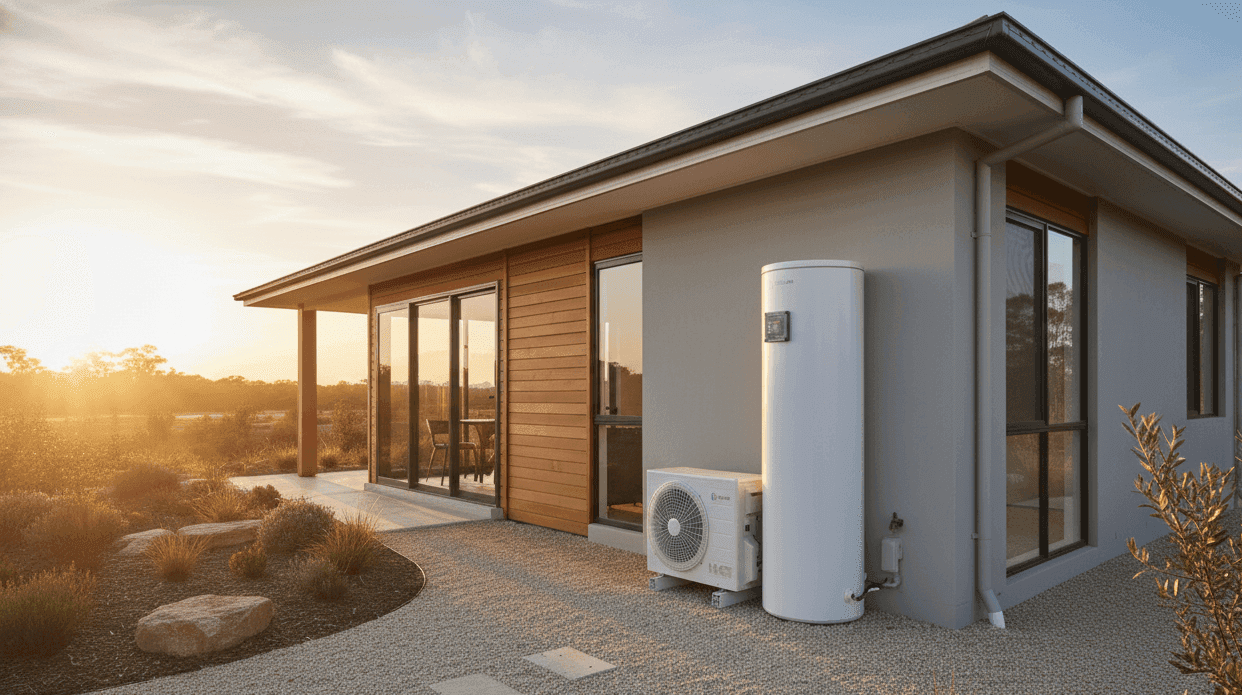
Air Source Heat Pumps: How Do They Work?
Heat pumphot water systems are quickly becoming the preferred choice for Australian households because they use far less energy than traditional electric or gas systems. Rather than creating heat directly, a heat pump moves existing heat from the surrounding air into the water tank. It works much like a refrigerator in reverse. A fan draws air across an evaporator coil containing a refrigerant. Even in cooler temperatures, the refrigerant absorbs heat, which is then compressed to raise its temperature. This heat is transferred into the tank, warming the water and repeating the cycle as needed.
- Extract heat from the air and transfer it into the tank
- Extremely efficient — often 3–5× cheaper to run than older systems
- Ideal for homes electrifying or reducing gas use
The result is exceptional efficiency, often delivering three to five units of heat for every single unit of electricity consumed. This dramatically reduces running costs and makes heat pumps one of the most effective electrification upgrades available today. They also pair extremely well with rooftop solar, as households can schedule the system to heat water during solar-producing hours, creating the equivalent of “free hot water” from excess solar generation.
Modern heat pumps include quiet compressors, frost protection, timers, and increasingly sophisticated smart controls. As energy prices rise and more homes transition away from gas, heat pumps offer a reliable, future-proof and environmentally friendly alternative that fits seamlessly into the push for all-electric, efficient Australian homes.
Heat Pump vs Solar Hot Water: Which Is Better for Your Home?
For households looking to cut energy bills and transition toward cleaner, more efficient systems, heat pump andsolar hot water remain two of the strongest upgrade options available. Both dramatically reduce electricity or gas consumption compared to older systems, yet they work in fundamentally different ways, which can influence which option is best suited to your home.
- Heat Pump Hot Water Systems: draw in air from outside and use it as the primary source of heat to warm your water. Inside the unit, a refrigerant absorbs heat from the air – even when the air feels cool to touch. This refrigerant is then compressed, raising its temperature, and the heat is transferred into the storage tank. It’s the same technology that keeps your refrigerator cold, but operating in reverse. Because a heat pump moves heat rather than generating it, it uses far less electricity than a traditional electric element, leading to consistent, year-round efficiency
- Solar Hot Water Systems: use roof-mounted collectors (either flat panels or evacuated tubes) to absorb heat from the sun and transfer it into the tank. Cold water circulates from the tank to the collectors, is warmed by the sun, and returns as hot water. On sunny days the collectors can heat the tank entirely, while cloudy periods rely on a small booster. These systems work best on homes with strong north-facing roof space and minimal shading, but they involve more plumbing and installation complexity.
Although heat pumps can be slightly more expensive upfront than solar hot water, they are generally the better choice for most Australian households. They offer more consistent performance, greater flexibility with installation, stronger compatibility with rooftop solar and more reliable year-round running costs, making them a smarter long-term option for everyday homes.


Electric Hot Water Systems Explained: Reliability, Costs & WhenTheyMakeSense
Electric hot water systems remain one of the most common types found in Australian homes, and while newer technologies like heat pumps are more efficient, traditional electric storage tanks still play an important role in many households. These systems work by using an internal electric element—similar to the element in a kettle—to heat the water stored inside a well-insulated tank. They come in a wide range of sizes, from compact units for small homes to large 250–315-litre tanks designed for families with higher hot water demand.
Modern electric systems are simpler than gas or solar thermal setups because they have fewer components, no rooftop hardware and require minimal plumbing changes during installation. This makes them cost-effective to purchase and replace, especially in situations where a hot water system has failed unexpectedly and a quick solution is needed. Many new electric systems also include timers or smart controls that allow households with rooftop solar to heat water during the day using excess solar generation, creating a low-cost way to run what was once an expensive appliance.
While electric storage systems are not as efficient as heat pumps, they remain a practical option for homeowners seeking reliability, straightforward installation, and strong compatibility with solar power. For budget-conscious upgrades or urgent replacements, a modern electric system can still provide solid performance with lower upfront costs.
Hot Water Repair & Replacement: Signs You Need a New System
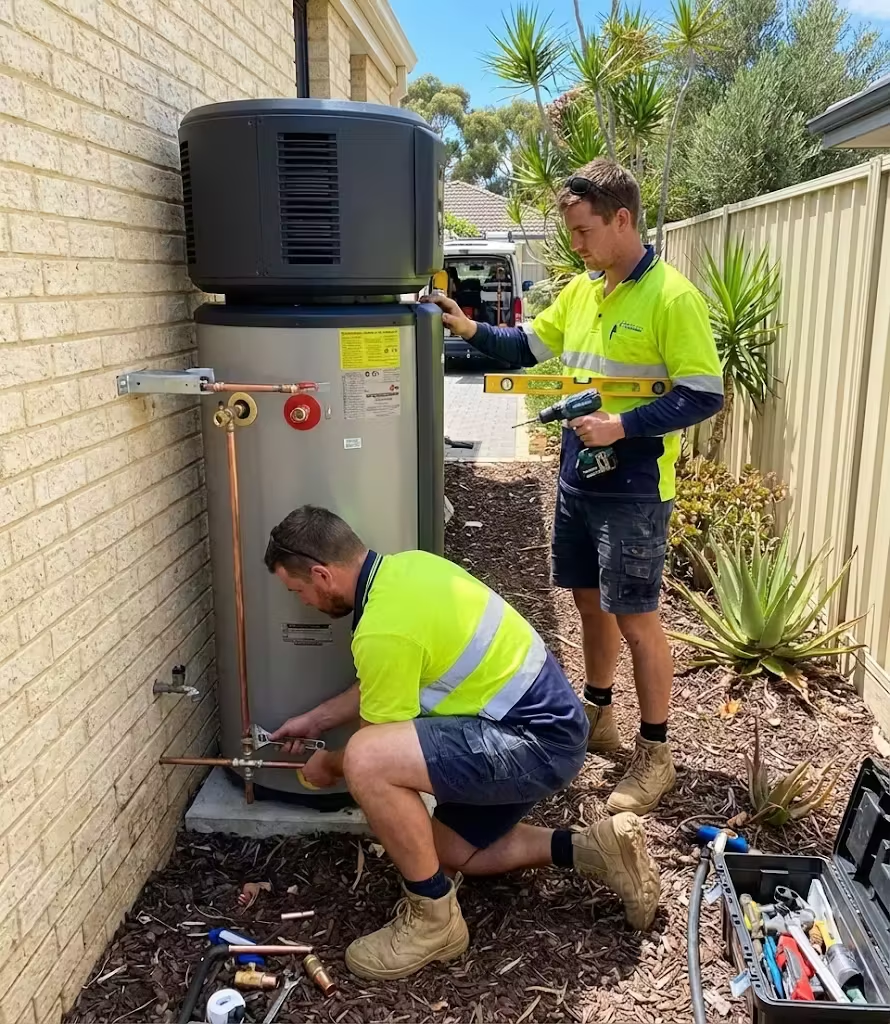
Hot water systems work quietly in the background of everyday life, so most homeowners don’t think about them until something goes wrong. When a system begins to fail, the signs often start small before becoming more disruptive, and knowing when to repair or replace can save both money and stress. While some issues can be fixed with a simple component replacement, older systems nearing the end of their lifespan may be more cost-effective to upgrade entirely—especially when switching to a modern electric or heat pump unit.
Commonindicators that your hot water system needs attention include inconsistent water temperature, reduced hot water volume, unusual noises from the tank, or visible leaks around valves and pipework. Rust-coloured water, higher energy bills, or a system that is more than 10–12 years old are also strong signs that the internal components are deteriorating. In systems with tanks, corrosion and mineral buildup can reduce efficiency and increase the risk of sudden failure.
For urgent breakdowns, a straightforward replacement may be the quickest way to restore hot water. However, if your system is ageing or repeatedly failing, upgrading to a heat pump or efficient electric system can offer lower running costs, improved reliability and better long-term value. Identifying the early warning signs and acting promptly helps ensure your home stays supplied with safe, consistent hot water year-round.
Solar vs Heat Pump vs Electric: Which Hot Water System Has the Lowest Running Costs?
The cost of heating water can make up a significant portion of a household’s energy bill, so understanding which system is the cheapest to run can have a big impact on long-term savings. In Australia, the three most common options including solar hot water, heat pumps and standard electric storage systems. All use different methods to heat water, and this leads to major differences in running costs throughout the year.
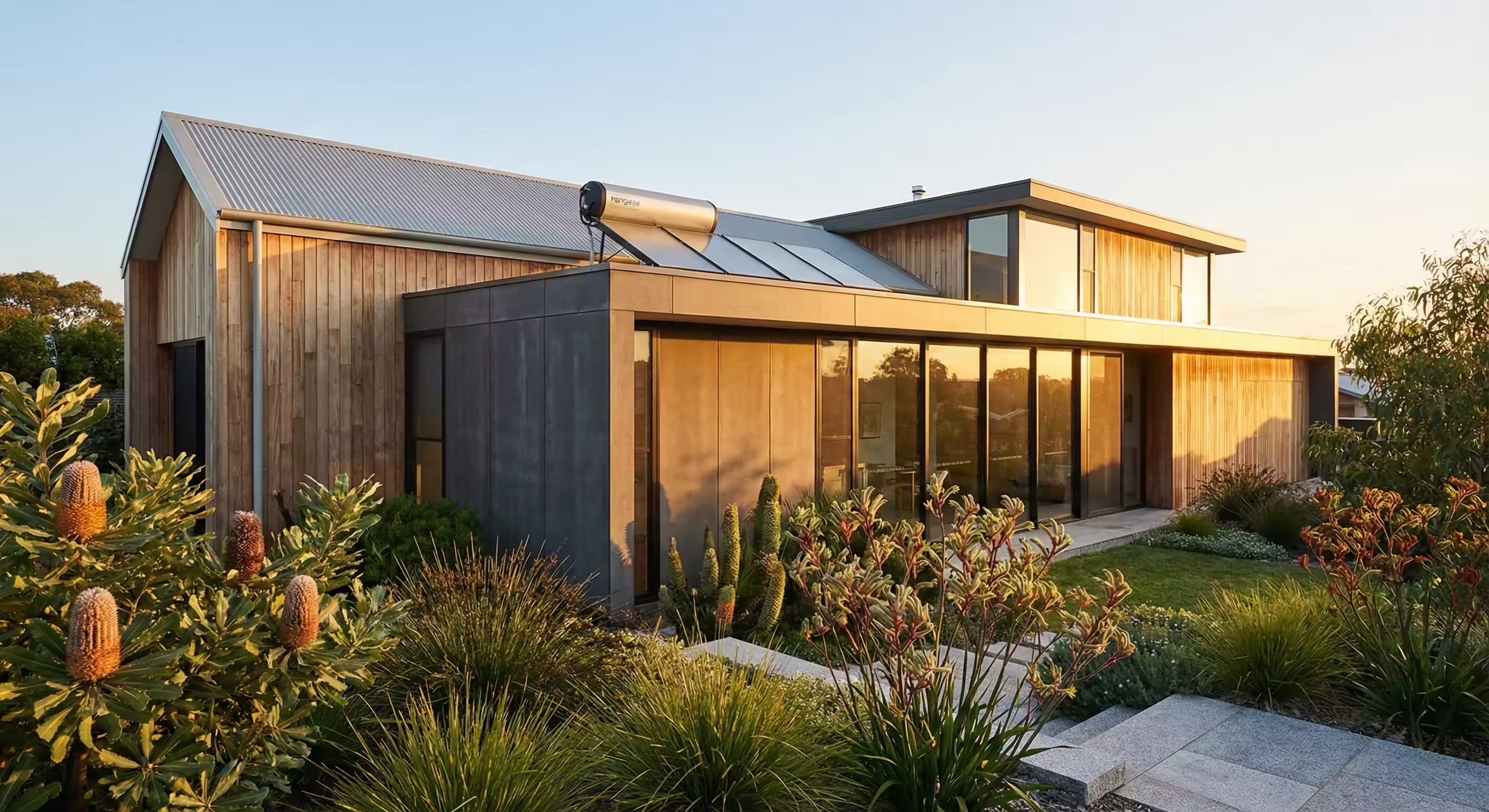
Solar hot water systems can deliver very low running costs in the right conditions because they use the sun’s energy to preheat or fully heat the tank. On strong sunlight days, a well-designed system may need little or no boosting. However, cloudy periods, shaded roofs or poor orientation can reduce performance, meaning the system must rely on an electric or gas booster to meet demand.
Heat pumps consistently offer the lowest overall running costs for most homes because they move heat rather than generate it, using only a fraction of the electricity required by traditional systems. When paired with rooftop solar and timed to run during daylight hours, heat pumps can produce hot water at extremely low cost year-round.
Standard electric systems remain the most expensive to run because they rely on an internal heating element that uses significantly more electricity. While they can pair with rooftop solar, they don’t match the efficiency of a heat pump.
Ultimately, the right system for your home will depend on your budget, household size, roof suitability and howyouplan to use energy across the rest of your home.
Hot Water FAQ's
What is the best hot water system for a typical Australian home?
The best hot water system depends on your budget, household size, energy usage, and whether your home has suitable roof space for solar. Heat pumps are generally considered the most efficient all-round option because they work reliably in all weather conditions and use far less electricity than traditional systems. Solar hot water can be extremely effective for homes with ideal north-facing roof exposure and low shading. Electric systems remain a dependable and affordable choice for urgent replacements. The right system is ultimately the one that fits your home's layout, lifestyle and long-term energy goals.
How does a heat pump hot water system work?
A heat pump absorbs heat from the surrounding air and uses a refrigerant cycle to transfer that heat into a water tank. This allows it to produce three to five times more heat energy than the electricity it consumes. Even when the air feels cool, the refrigerant inside the system can still extract usable heat. Because the unit is moving heat rather than generating it, it delivers excellent energy efficiency. This makes heat pumps one of the lowest-cost systems to run in most Australian homes.
What is the difference between heat pump and solar hot water?
Heat pumps extract heat from the air, while solar hot water uses roof-mounted collectors to harness heat from the sun. Solar hot water performance depends heavily on roof orientation, shading and sunlight access, which can limit efficiency in certain homes. Heat pumps work consistently year-round, regardless of weather or roof suitability. Installation is generally simpler because there is no rooftop plumbing required. Many households choose heat pumps for the predictability and lower running costs.
How much does a heat pump hot water system cost?
Heat pump hot water systems generally cost between approximately $2,500- $8,400 depending on tank size, brand, and features. Mid-range models with tanks around 250-300 litres commonly cost about $3,000- $5,000 excluding installation, while larger or premium systems can go up to around $7,600 or more. Installation costs typically add around $1,500- $4,500 depending on complexity. Although the upfront price is higher than traditional electric systems (which range from about $1,000- $2,000), heat pumps are highly efficient and pay off over time with much lower running costs. Many systems qualify for federal STC rebates and state incentives that significantly reduce the final expense by hundreds to thousands of dollars. Installation is usually straightforward and quicker than solar hot water setup, providing households with reliable, energy-saving hot water.
How much does a solar hot water system cost?
Solar hot water systems usually have a higher upfront cost, typically ranging from about $5,000- $10,000 installed, influenced by collector type (flat plate or evacuated tubes), tank size, and roof setup requirements. Afer excellent savings in ideal roof and climate conditions. The cheaper option for your home will depend on sunlight access, available solar generation and your daily hot water habits.
Are heat pump hot water rebates available
Heat pumphot water systems typically qualify for federal Small-scale Technology Certificates (STCs) as well as various state-based rebates that can significantly reduce upfront costs. For example, Victoria offers a Solar Victoria rebate of up to $1,000, with an additional top-up rebate of $400 available for systems containing verified Australian-made components, allowing total rebate values to exceed $2,000 in some cases. Rebates and incentives vary by state and over time, so eligibility, amounts, and application processes may change. Usually, accredited installers handle rebate applications to ensure compliance and maximise savings for homeowners.
Are there rebates for solar hot water systems?
Solar hot water systems are also eligible for federal STCs and regional rebates. For example, in Victoria, households may receive combined incentives exceeding $1,000, including the Solar Victoria Hot Water Rebate, which helps offset the initial investment. Eligibility depends on installation location, system size, and compliance with approved efficiency standards. Like heat pumps, installers generally manage the rebate process for a smooth transaction.
Which is cheaper to run: heat pump or solar hot water?
Heat pumps are generally cheaper to run overall because they operate efficiently in all weather conditions and don’t depend on sunlight. Solar hot water can be extremely cheap on sunny days but may rely on boosters during cloudy or shaded periods. Homeswith rooftop solar often find heat pumps especially cost-effective because they can be scheduled to run during daylight hours. Solar systems still offer excellent savings in ideal roof and climate conditions. The cheaper option for your home will depend on sunlight access, available solar generation and your daily hot water habits.
Whatsize hot water system do I need?
The correct size depends on how many people live in your home and how often hot water is used for showers, laundry and kitchen activities. Smaller households typically need 160–200 litres, while families usually require 250–300 litres or more. Homes with higher simultaneous usage, for example, multiple showers in the morning, may benefit from larger tanks. Heat pumps can sometimes use slightly smaller tanks due to faster recovery times. Choosing the right size ensures efficiency without running out of hot water.
How long do hot water systems last?
Most hot water systems last around 10–15 years, depending on the water quality, usage patterns and maintenance. Solar and heat pump systems may last even longer with proper servicing and high-quality components. Over time, tanks can develop corrosion or mineral buildup that reduces efficiency. Warning signs often appear before failure, such as inconsistent temperatures or leaks. Replacing a system before it fails can prevent emergency breakdowns and higher repair costs.
Should I replace my gas hot water system with electric or heat pump?
Many households are choosing to replace gas hot water systems due to rising gas prices and the shift toward all-electric homes. Electric systems are simple to install and pair well with solar power, while heat pumps offer the greatest efficiency and long-term savings. Replacing gas also reduces carbon emissions and simplifies energy billing. Heat pumps are often the most worthwhile upgrade for homes electrifying their appliances. Your choice will depend on your budget and how quickly you want to transition away from gas.
Do heat pumps work in cold climates?
Modern heat pump hot water systems are designed to work efficiently in cold climates, typically operating well down to around 0°C. Advanced features like automatic defrost cycles prevent frost buildup that would reduce efficiency, and improved refrigerants and compressors maintain performance even in cooler temperatures. While efficiency may decrease slightly in very cold weather and recovery times may be slower, these systems still use significantly less electricity than traditional electric heaters. Many models include backup heating elements to ensure a consistent hot water supply during extreme cold. Overall, heat pumps remain a reliable and energy-efficient choice across most Australian climates, including colder regions
Can a heat pump run on solar power?
Yes, heat pumps work extremely well with rooftop solar because they can be scheduled to heat water during the day. This allows households to use excess solar generation instead of buying electricity from the grid. Many systems include timers or smart controls to optimise daytime operation. Running a heat pump on solar can significantly reduce your energy bills. Combining the two technologies is one of the most efficient ways to produce hot water.
Do solar hot water systems work in winter?
Solar systems still operate in winter, but their output is reduced due to lower sun intensity and shorter daylight hours. On cloudy or cold days, the system relies on an electric or gas booster to reach the target temperature. Homes in cooler regions may experience more frequent booster use. Roof orientation and shading make a significant impact on winter performance. For inconsistent climates, heat pumps tend to offer more reliable results.
What is the most energy-efficient hot water system?
Heat pumps are generally the most energy-efficient option because they use only a small amount of electricity to move heat rather than generate it. Solar hot water can be extremely efficient when rooftop and climate conditions are ideal. Both outperform traditional electric and gas systems by a large margin. Homes aiming for maximum efficiency often choose heat pumps paired with solar power. The ideal choice depends on your roof, climate and daily usage.
What are signs that my hot water system needs replacing?
Common signs include fluctuating temperatures, reduced hot water capacity, unusual noises or visible leaks. Rust-coloured water or higher-than-normal energy bills can also indicate internal tank deterioration. Systems older than 10–12 years often approach the end of their lifespan. Slow performance or frequent repairs are strong indicators that a replacement would be more cost effective. Upgrading to a modern system typically improves efficiency and reliability.
How does electric hot water compare to gas?
Electric systems are simpler, require no gas connection and integrate well with rooftop solar. Gas systems heat water quickly but have higher running costs and rely on fossil fuels. Many households are moving away from gas due to rising prices and preferences for all-electric homes. Electric and heat pump systems are easier to maintain and more efficient overall. In most cases, heat pumps offer the lowest ongoing costs.
Is solar hot water better than electric?
Solar hot water is generally more efficient than standard electric systems and can significantly reduce energy use in sunny conditions. However, performance relies heavily on roof orientation and the amount of daily sunlight. Homes with shaded or south-facing roofs may not see the full benefit. Electric systems remain simple and reliable for all conditions. Many homeowners choose heat pumps as a balanced alternative that works everywhere.
What is the most cost-effective hot water upgrade?
Heat pumps are typically viewed as the most cost-effective upgrade because of their high efficiency, low running costs and rebate availability. Solar hot water can also be a strong performer for homes with ideal roof and climate conditions. Electric systems remain the cheapest upfront option but cost more to operate over time. The best upgrade will depend on your budget, roof layout and energy usage habits. Choosing wisely can significantly reduce long-term household energy costs.