

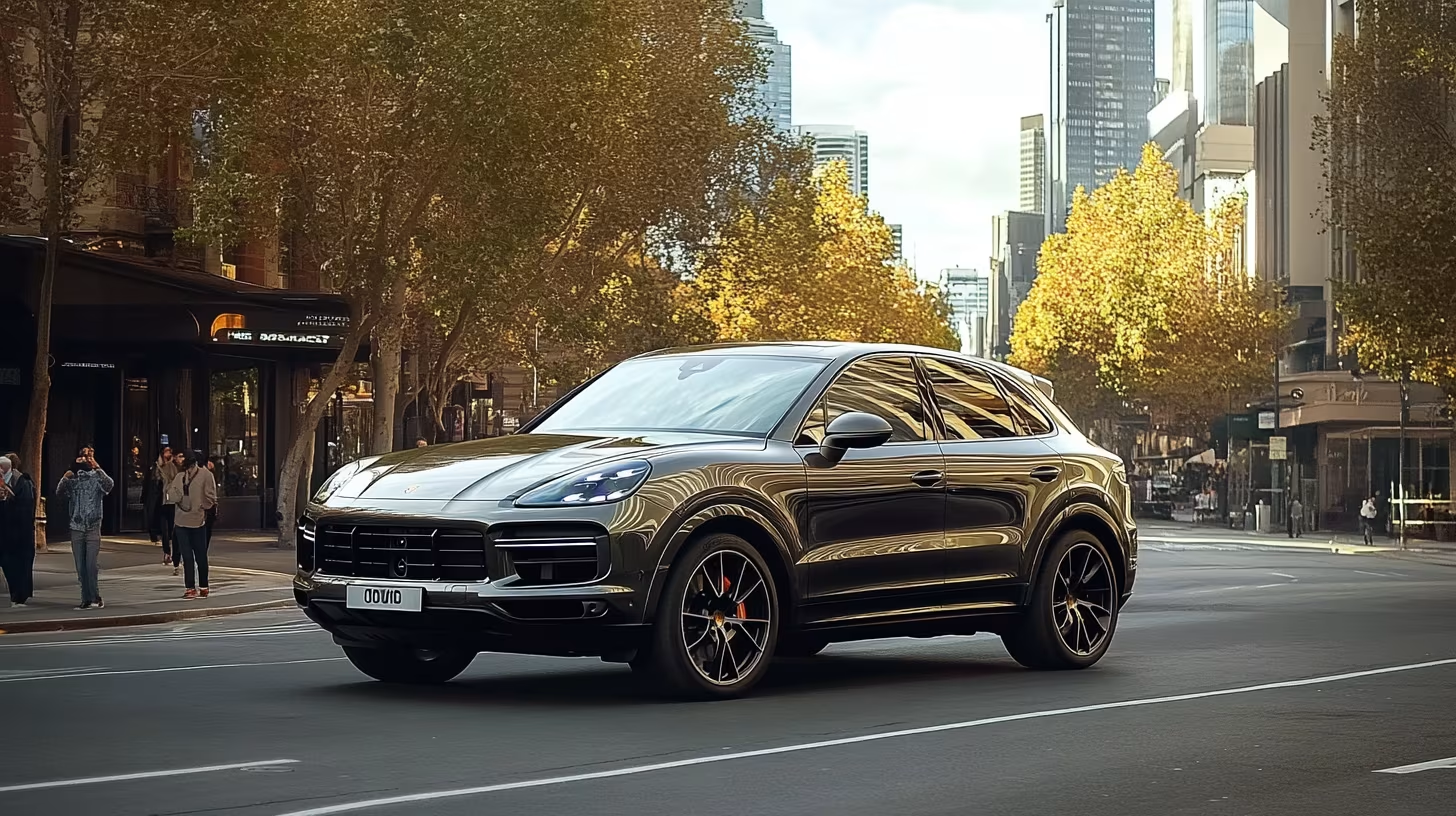
Cayenne
PORSCHE
Cayenne Introduction
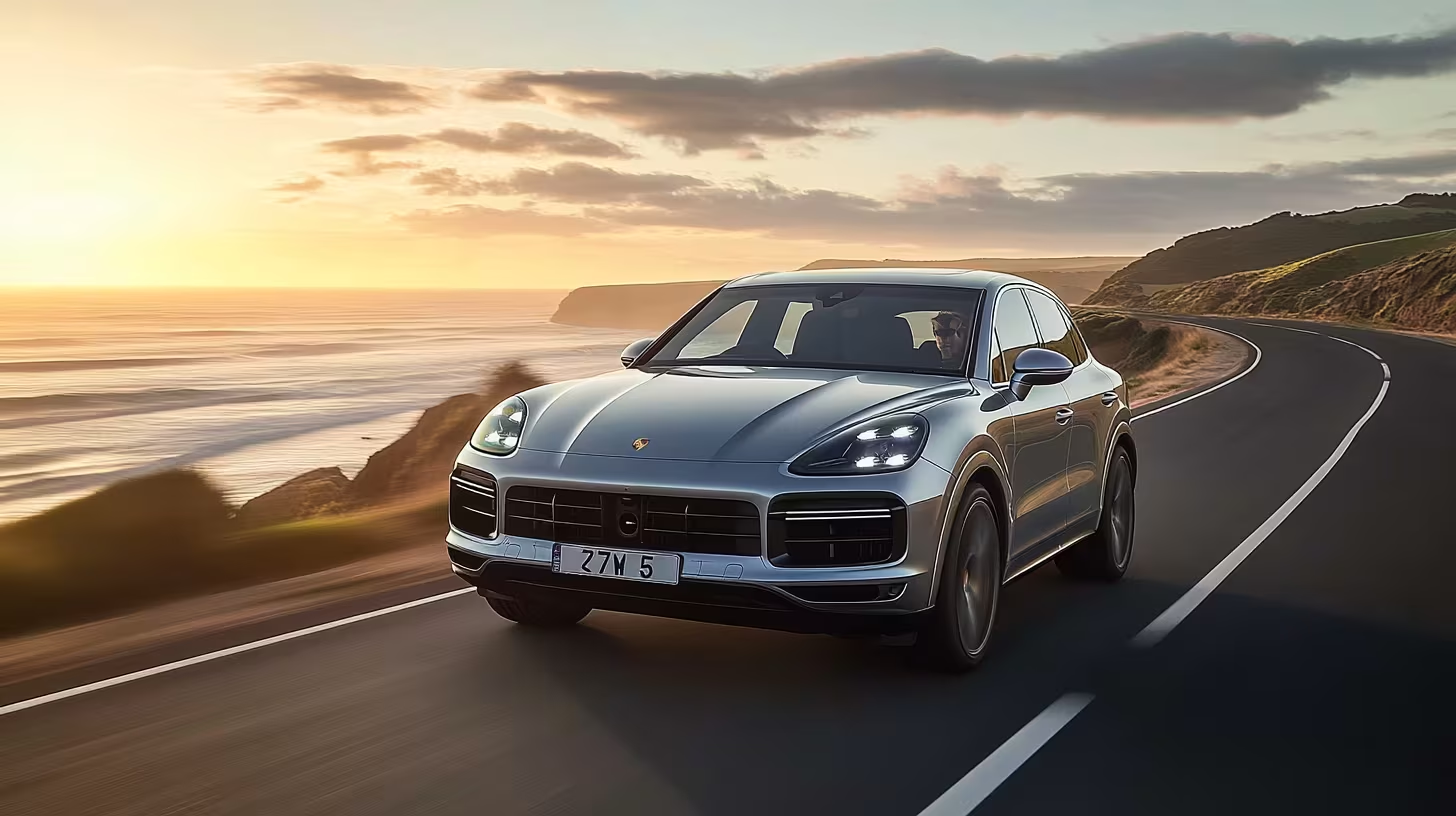
The Porsche Cayenne defines German luxury SUV performance for Australia, blending sports car handling, plush comfort, and everyday practicality in both classic SUV and coupe shapes. The 2025 Cayenne range covers everything from the potent 3.0L V6 petrol (250 kW/500Nm) and hybrid models to fire-breathing Turbo GT Coupes capable of 0–100 km/h in under 4 seconds. Plug-in E-Hybrid options offer brisk power and up to 50 km of electric driving, while all Cayennes handle city commutes and outback roads with composure, thanks to air suspension, all-wheel drive, and towing up to 3,500kg.
Inside, the Cayenne is both high-tech and luxurious: a 12.3-inch touchscreen, digital cluster, Apple CarPlay/Android Auto, massaging seats, Bose® or Burmester® audio, and plenty of active safety tech (AEB, adaptive cruise, 360 camera, lane keep, and more). Flexible seating, a huge 645L boot (seats up), and a roomy cabin make it as comfortable for seven-day family duty as for weekend getaways or luxury business fleets. The three-year unlimited km warranty, 8-year battery cover for hybrids, and regular capped servicing add to peace of mind. New model updates keep styling fresh—LED headlights, new wheel designs, and a refined coupe variant—with every Cayenne assembled in Germany and supported by Porsche’s vast service network.
If you’re cross-shopping the BMW X5, Mercedes GLE, Range Rover Sport, or Maserati Levante, the Cayenne provides the most “sports car DNA” in the luxury large SUV class, with hybrid options, customisable interiors, and class-leading resale value.
Available models

Want Solar Finance Options?
Compare lenders and get tailored loan offers.
Cayenne Performance & Power
Buyers can select from a Porsche-tuned 3.0L turbo V6 (250–260 kW), new 3.6L V6 Turbo S and GTS (up to 368 kW), or the Turbo E-Hybrid: a 4.0L V8 plug-in making up to 544 kW/950Nm, launching to 100 km/h in as little as 3.6 seconds. “The hybrid system provides strong acceleration and torque, delivering performance figures comparable to some hot hatches and performance SUVs” (Alex Inwood, WhichCar). Instant electric torque, step-off traction, and seamless petrol/electric transition give PHEVs a unique edge for city running and towing.
Every Cayenne has AWD, launch control (on S/E-Hybrid/Turbo GT), and adaptive air suspension for confident grip, even when loaded with people or trailers. Ride is always composed, though critics note the vehicle’s 2.2+ tonne mass when hustled on sharp bends. Even standard models feel quick, with Porsche’s signature steering and chassis balance making the Cayenne fun as well as luxurious.
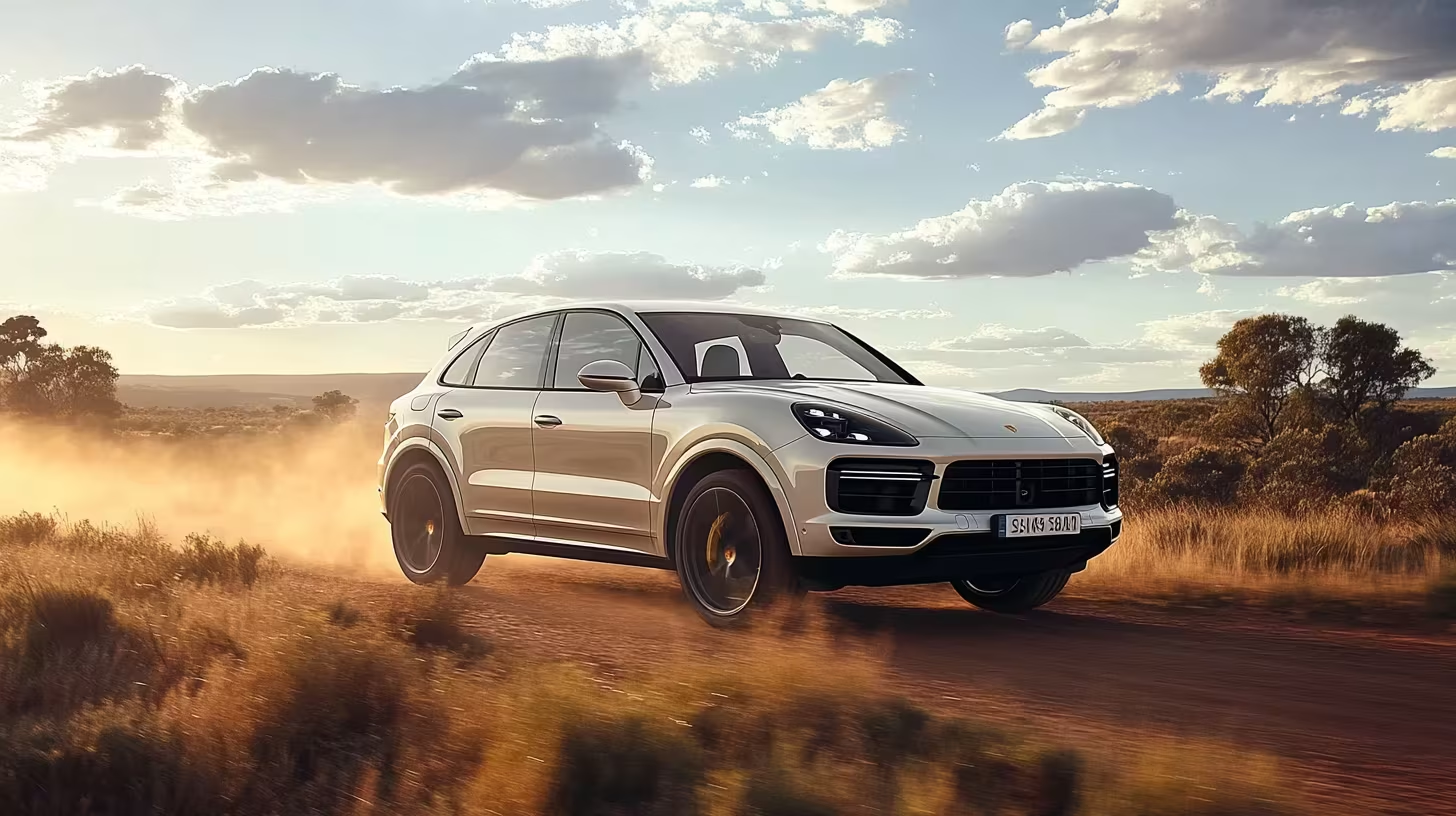
Cayenne Interior & Design
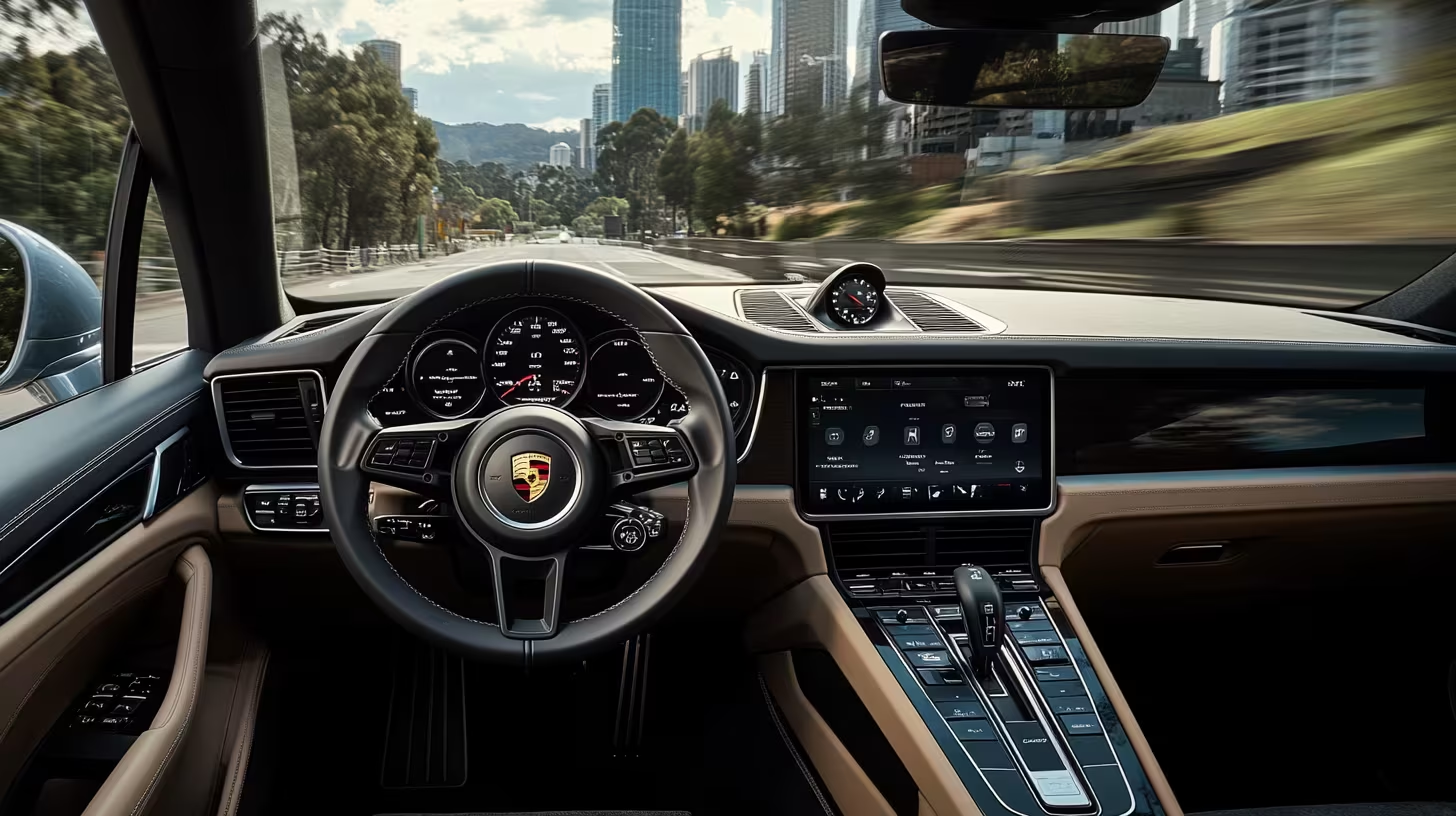
Porsche’s classic luxury design shines through—“Cabin pumped with luxury,” (Toby Hagon, Carsales)—with premium seats, a low yet commanding driving position, and digital cockpit. The 12.3" PCM touchscreen, digital cluster, and up to 21-speaker Burmester® surround system deliver class-leading infotainment. The panoramic roof, ambient lighting, all-leather trim, and wide cubbies mean comfort for every passenger and holiday load. High-end options like perforated massage/ventilated seats, 100% Merino leathers, and curved digital displays set the Cayenne apart.
Seating offers flexible 5- or 4+1 seating (seat belts for five) and ample rear leg/headroom. Boot space is 645L seats-up; split-fold rear enables bulky gear or bikes. Some critics want more design drama, but every Cayenne interior is built to outlast rough family, business, or rural duty.
Cayenne Technology & Safety
Every Cayenne packs a 12.3" central touchscreen with PCM, seamless CarPlay/Android Auto, voice command, nav, and 3D camera. “The software for the infotainment system feels fast, fluid and snappy,” (Tung Nguyen, Drive). Safety is deep: AEB, lane keep, blind spot, adaptive cruise, surround-view, and traffic sign recognition come standard; Turbo and S models add advanced active park, night vision, and InnoDrive with semi-automation.
Wireless phone charging, multiple USBs, 4G modem (for updates), and full digital diagnostics make routine use a breeze. Bose® or Burmester® audio, passenger screen, and streaming upgrades support family or business journeys. Porsche’s remote connect app supports scheduling, vehicle monitoring, or pinpointing charge/maintenance stops with zero fuss.
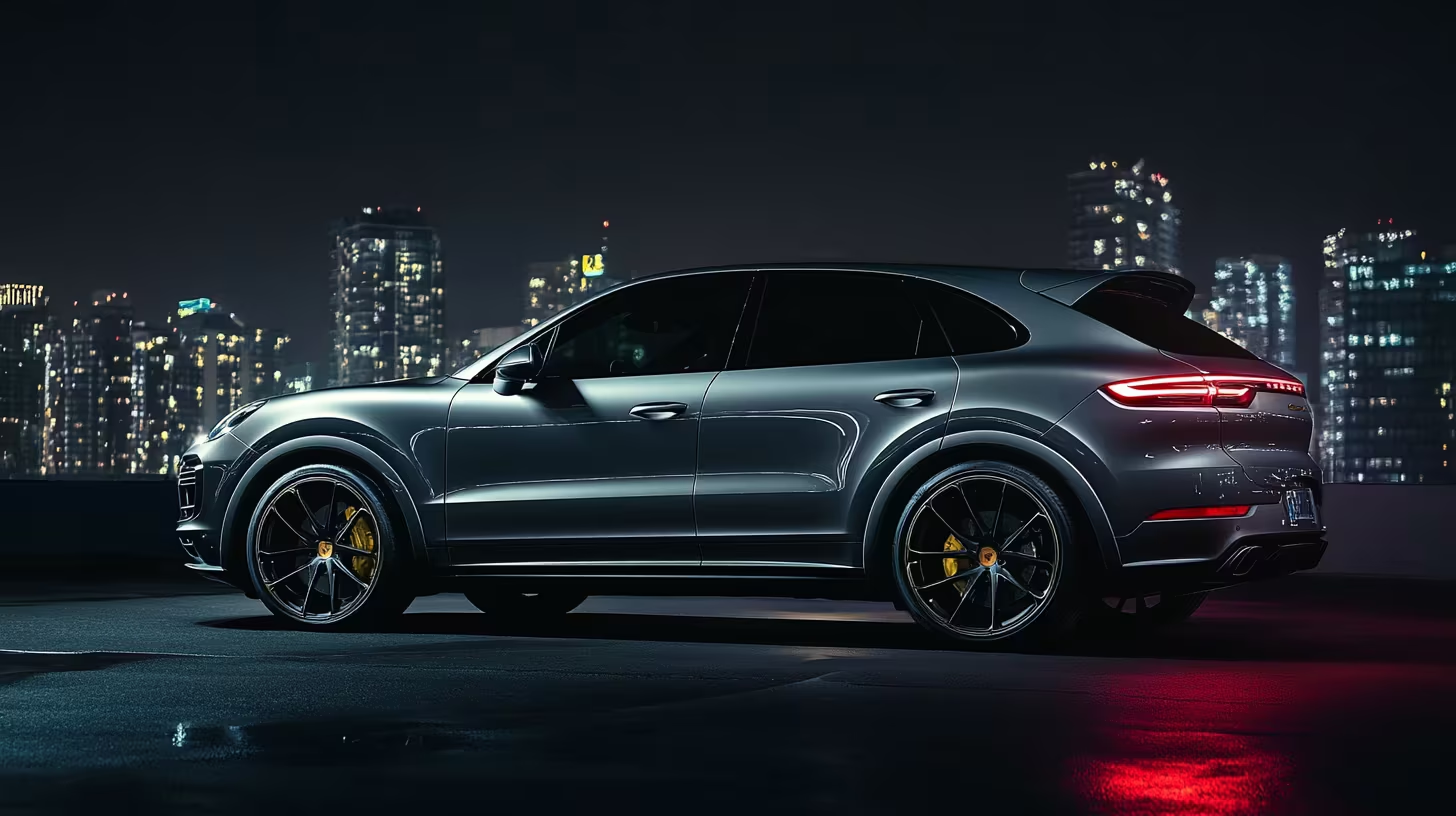
Cayenne Range & Charging
E-Hybrid models store 25.9 kWh of battery good for up to 50 km (WLTP) of pure-electric driving in city conditions and 2.5–3.2 L/100km (claimed, based on regular charging); most reviewers see about 30–35km with mixed use before petrol kicks in. AC charging at home (11 kW) covers 0–100% in approximately 2.5 hours; public rapid charging is not supported, so home EV charger or depot top-up is best. Turbo E-Hybrid models use a 4.0L V8, delivering rapid acceleration under petrol or hybrid power.
All petrol/diesel Cayennes return 8–12 L/100km in mixed use depending on engine and driving style. Regardless of variant, towing (up to 3,500kg) and hill mode ensure you’re rarely caught short on range. Regular charging and solar integration maximise PHEV value for city drivers and fleets.
Cayenne & Solar Power
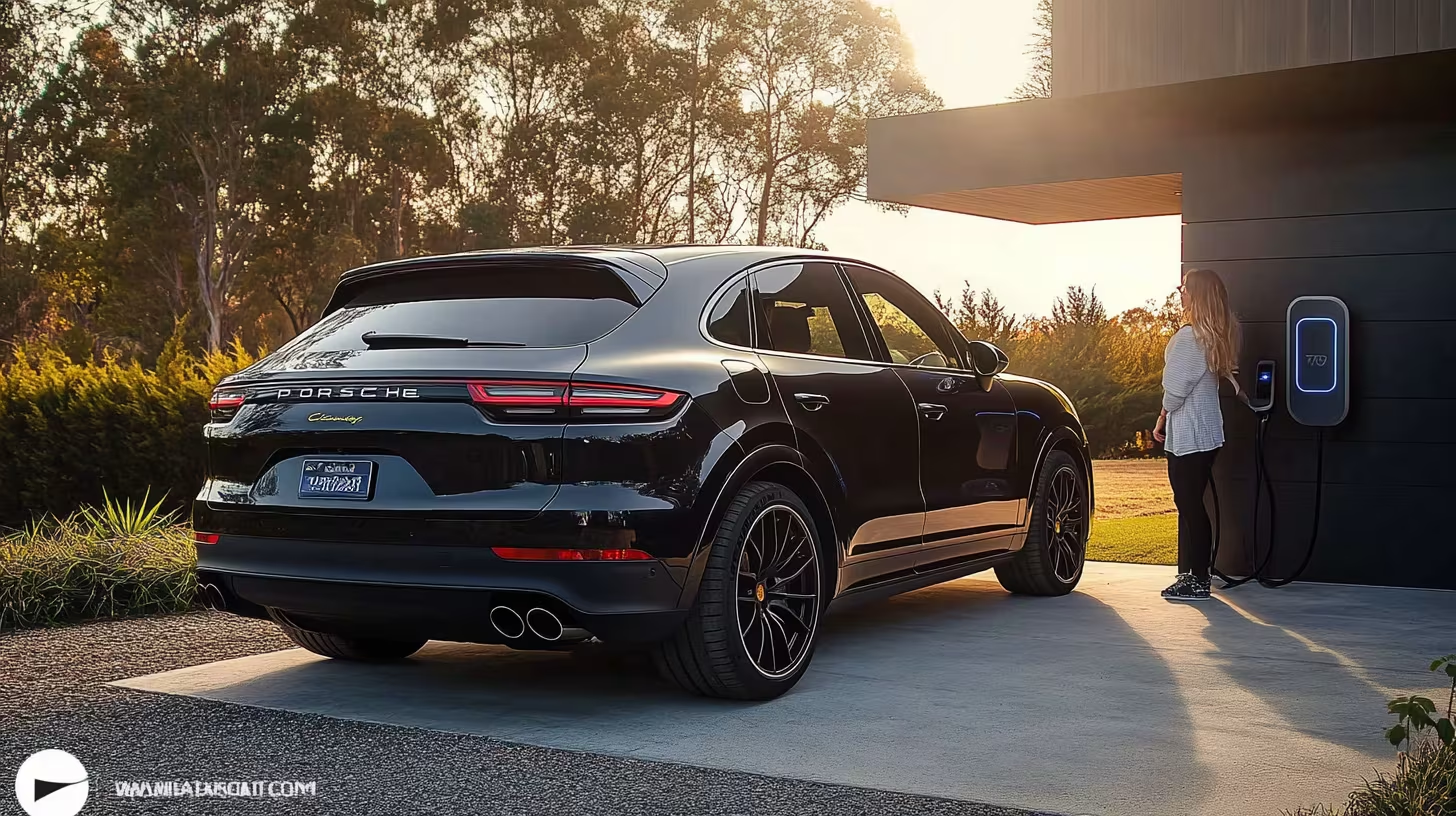
Porsche Cayenne E-Hybrid buyers are increasingly adopting solar panels at home or depot, using a solar-integrated EV charger to top up the battery for commuting, school runs, and errands—all on sunlight. Urban families and business users routinely cover week-long duties on pure EV mode for $0–$3/week. Solar overlap with home heating or pool pumps further cuts grid use, future-proofs property, and protects the 8yr/160,000 km battery. For families and companies wanting to combine green credentials, low running costs, and luxury, the Cayenne plus solar is the ultimate SUV solution.
FAQ - Porsche Cayenne
What is the price of the Porsche Cayenne in Australia?
The 2025 Porsche Cayenne range starts at $160,300 for the E-Hybrid, $178,300 for S E-Hybrid, and $307,074 for Turbo E-Hybrid; petrol/S/4/GTS/Turbo/Turbo GT and Coupe trims start around $140,000 and can reach $400,000+ for Turbo S/GT. “Porsche Cayenne price Australia”, "how much is a Cayenne", and “for sale” are top searches. Dealer-fit options, metallic colours, Bose®/Burmester® audio, wheels, and sunroof can drive up the price. Lease and business finance, as well as demo/fleet specials, are sometimes available. Always check Porsche Australia or dealers for current offers.
How fast is the Porsche Cayenne E-Hybrid and Turbo E-Hybrid?
E-Hybrid delivers 0–100 km/h in 4.9 seconds; S E-Hybrid is 4.4s; Turbo E-Hybrid does it in just 3.6 seconds—matching or beating most petrol rivals. "Cayenne Turbo E-Hybrid acceleration", “Turbo GT”, and "hybrid performance" trend for buyers cross-shopping with BMW X5 or Model X. Launch control, instant electric torque, and semi-auto suspension management make the Cayenne feel sharp and safe in daily use. The petrol/V8 models are even faster in Turbo GT, at around 3.3s. Reviewers rate the hybrids as "seriously rapid and grippy" (Alex Inwood, WhichCar).
What is the real electric-only range for the latest Cayenne E-Hybrid?
Porsche claims 50 km (WLTP); reviewers achieve between 30–45 km per charge in real city usage. "Porsche Cayenne hybrid range", "EV mode", and "how far on a charge" are top questions. Plug in nightly to maximise hybrid savings and keep petrol use low. Highway running, heavy loads, or towing reduce e-range; use petrol backup for long road trips. Home AC charging (11 kW) fills the battery in 2.5 hours.
How much boot space and practicality does the Cayenne offer compared to other large SUVs?
Cayenne has about 645 L with seats up, over 1,700 L with seats down (Sports and Wagons vary). "Cayenne boot space", "wagon", and "SUV size" rank highly for family and business/livery buyers. Split-fold seats improve flexibility for camping, prams, holiday gear. Coupes lose some rear capacity to the sloping roof. Rear seats fold flat; power tailgate helps with loading.
Does the Cayenne support Apple CarPlay, Android Auto, and modern streaming tech?
Yes—every Cayenne has wireless Apple CarPlay/Android Auto, navigation, voice controls, and multi-screen entertainment. Streaming video on passenger screens is now supported. “Cayenne CarPlay", "infotainment", and "tech" are popular features/validation searches. Centre console is dominated by the 12.3" touchscreen; digital cluster and passenger display are optional. Voice and steering wheel controls are highly rated in owner reviews.
What is the warranty and long-term battery cover for the Porsche Cayenne?
Australian Cayennes receive a 3-year/unlimited km car warranty with roadside assist; E-Hybrid battery is covered 8 years/160,000 km. "Cayenne warranty", "battery", and "service schedule" are trending. Bumper-to-bumper warranty is shorter than most rivals but can be extended for cost. Porsche’s capped-price servicing and remote digital checks support city and regional owners.
What is the towing/tow bar capacity of Porsche Cayenne?
Up to 3,500kg braked with the right spec; all models have standard or optional towing packs with trailer sway assist. "Cayenne towing", "3,500kg tow", "towbar", and "camping/holiday" are core AU owner FAQ. Attach roof racks, bike carriers, and off-road accessories for all-adventure upgrades. AWD, air suspension and hill mode help on rural tracks and boat ramps.
How does the Cayenne compare to X5, Range Rover Sport, GLE, or Tesla Model X?
Cayenne wins for outright sportiness and driver engagement—“The Cayenne behaves like a Porsche should.” BMW X5 and GLE lead on long-term comfort; Range Rover Sport trumps for off-roading and luxury nameplate. Tesla X is faster to 100 km/h and all-electric, but Porsche cabins feel sportier and more personal. "Cayenne vs X5", "vs Tesla X", and "vs Range Rover" are top family queries.
Are there electric-only or full-EV Porsche Cayenne models in 2025?
Not yet—only plug-in hybrid (E-Hybrid) and pure petrol for now. "Cayenne EV", "electric Porsche SUV", and “electric price” are on the rise with future model teasers. Fully electric Cayenne is expected after 2025. For now, Outlander PHEV, Model X, or Polestar 3 are full-EV alternatives.
What are the main differences between Cayenne, Cayenne S, GTS, Turbo, and Turbo GT?
Variants step up with more power, better suspension, exterior upgrades, and premium touch points. “Cayenne S price”, "GTS coupe", "Turbo vs GTS", and “which to buy” are trending. S offers AWD and comfort; GTS adds agility and dynamic engine tune; Turbo/GT bring max performance and visual drama. All are AWD with adaptive chassis.
Does the Cayenne Coupe or Wagon suit families better?
Wagon (SUV) is best for families—practical, huge boot, better rear headroom, and easier loading. Coupe draws the style crowd for its sporty cut but sacrifices some boot and rear visibility. "Cayenne coupe vs SUV", "family boot", and “family review” repeatedly trend pre-purchase. Both share drive, safety, and infotainment packages.
Can I fit roof racks, bike carriers, mats, towbar and other accessories to the Cayenne?
Yes—all Porsche dealers and major service shops supply colour-matched roof racks, mud guards, floor mats, seat covers, bike carriers, dash cams, towbars, and more. “Cayenne accessories Australia”, "floor mats", and “roof rack” are popular web searches. Most accessories can be included at sale or added later, keeping warranty.
What are the 2025 Cayenne’s dimensions and how easy is it to park?
Cayenne is 4.93m long, 1.98m wide, 1.67m high; all trims come with cameras, ParkAssist and sensors for easy urban parking. "Cayenne size", "dimensions", and "city driving" spike for upgraders. Split screens and top-down 3D view help in tight garages or shopping strips. Air suspension can lower ride height for garages.
How much does the Porsche Cayenne cost to maintain and insure in Australia?
Servicing is capped-price, averaging $800–$1,200/year; insurance runs $2.2–3.5k depending on location and history, with hybrids slightly more expensive. “Service cost", "insurance cost", "maintenance”, and “TCO” rank high in owner searches. Warranty extension, real-time part updates, and battery care help boost resale.
Is the Porsche Cayenne reliable, and what issues should buyers check for?
Recent models show high reliability, with most issues fixed via software updates; battery and engine faults are rare. “Cayenne problems", "reliability", and "issues" are common used-buyer questions. Early E-Hybrid models saw occasional charging, cooling, or infotainment bugs, all solved under warranty. Porsche’s warranty and aftersales support keep repairs hassle-free.
What entertainment and comfort upgrades can I option in a Cayenne?
Bose® or Burmester® audio, ambient lighting, massaging and ventilated seats, rear screens, digital passenger displays, and panoramic roof are all available (most standard on Turbo variants). "Interior", "options", and “comfort pack” rank high on configurators. Night vision, seat memory, and air ioniser also in the option lists.
Where is the Porsche Cayenne built and how is it supported in Australia?
All Cayennes for Australia are built in Leipzig, Germany, with local delivery via Porsche’s dealer and support network in every major city. “Where made", "dealer service", and "parts support" top AU owner priorities. Free software updates and roadside support are included.
Can I buy a used, demo, or lease a Porsche Cayenne for business?
Yes—“for sale”, "demo", "lease", and "used" all trend in used car and business searches. Lease and novated FBT packages are popular with execs; certified used offer warranty and battery cover for hybrids. Porsche Centres support CPO used stocks.
Is the Porsche Cayenne suitable for off-road or camping?
Yes—AWD, multiple off-road/terrain modes, ground clearance, and 3,500kg towing make the Cayenne more capable on gravel or sand than most luxury rivals. "Off-road", "camping", "4x4 kit", and "outback" are frequent queries from regional buyers. Fit approved tow, rack, and underbody protection for roughest use.
What is the best fuel type and what about the Cayenne Hybrid’s charging?
Petrols use 95+ octane; diesel options are not sold in new AU inventory. E-Hybrids charge for electric-only range best with a home solar EV charger; plug in overnight or at depot. "Fuel", "charging", and "hybrid refuel" spike for cost-focused owner queries.
Find EV Chargers & Solar Power by State
Discover charging infrastructure and solar power options for your PORSCHE Cayenne in your state:
*Disclaimer: This page includes information, descriptions, and images that may have been created or enhanced with the assistance artificial intelligence, powered by our proprietary Ray-i (AI) technology system. While we do our best to ensure accuracy, specifications and details can vary between models, regions, and over time as manufacturers make updates. Images are for illustrative purposes, and the content is provided for general reference. For the most up-to-date specifications or features, we recommend checking directly with the manufacturer or your local dealer.