

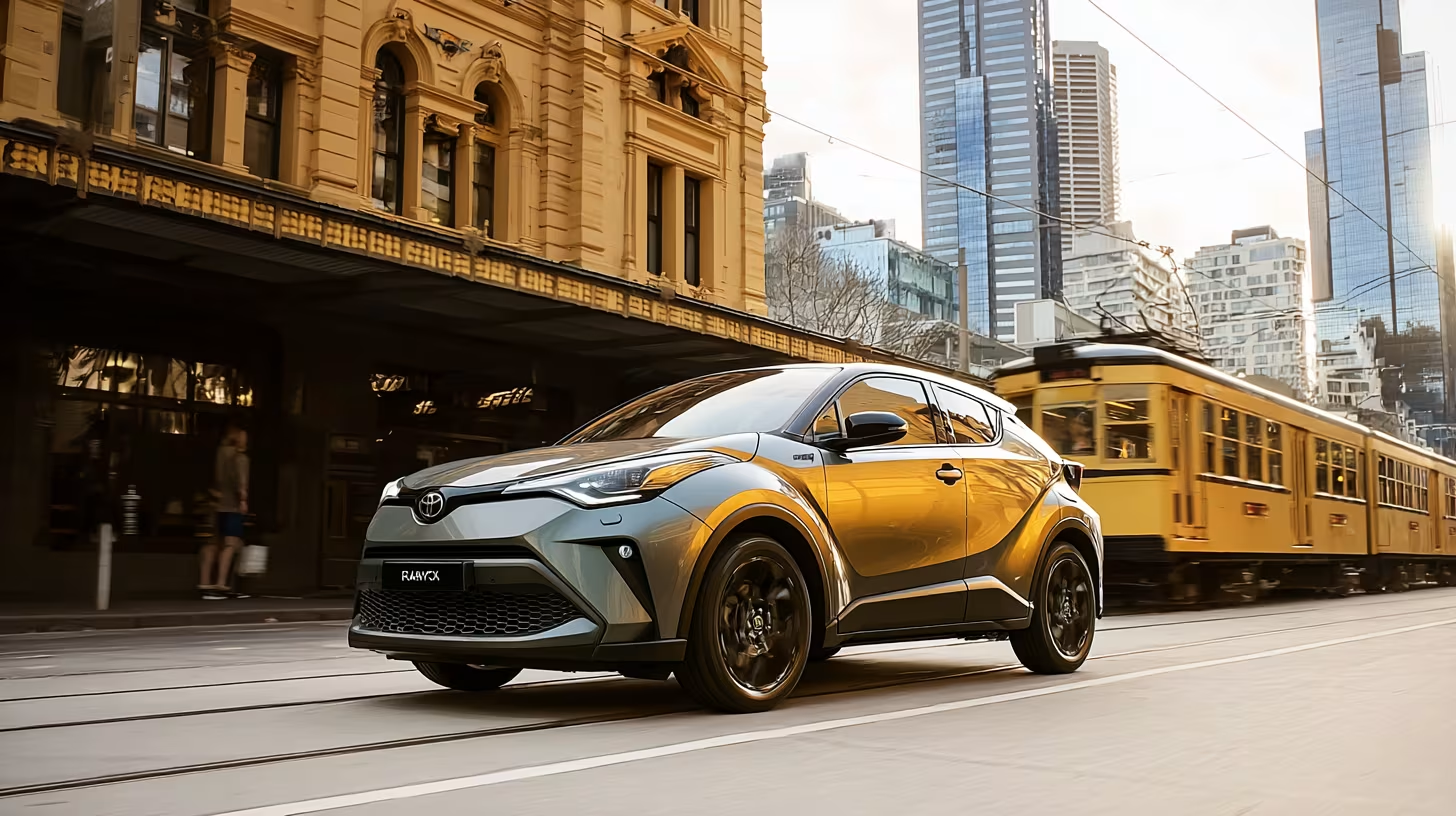
C Hr Hybrid
TOYOTA
C Hr Hybrid Introduction
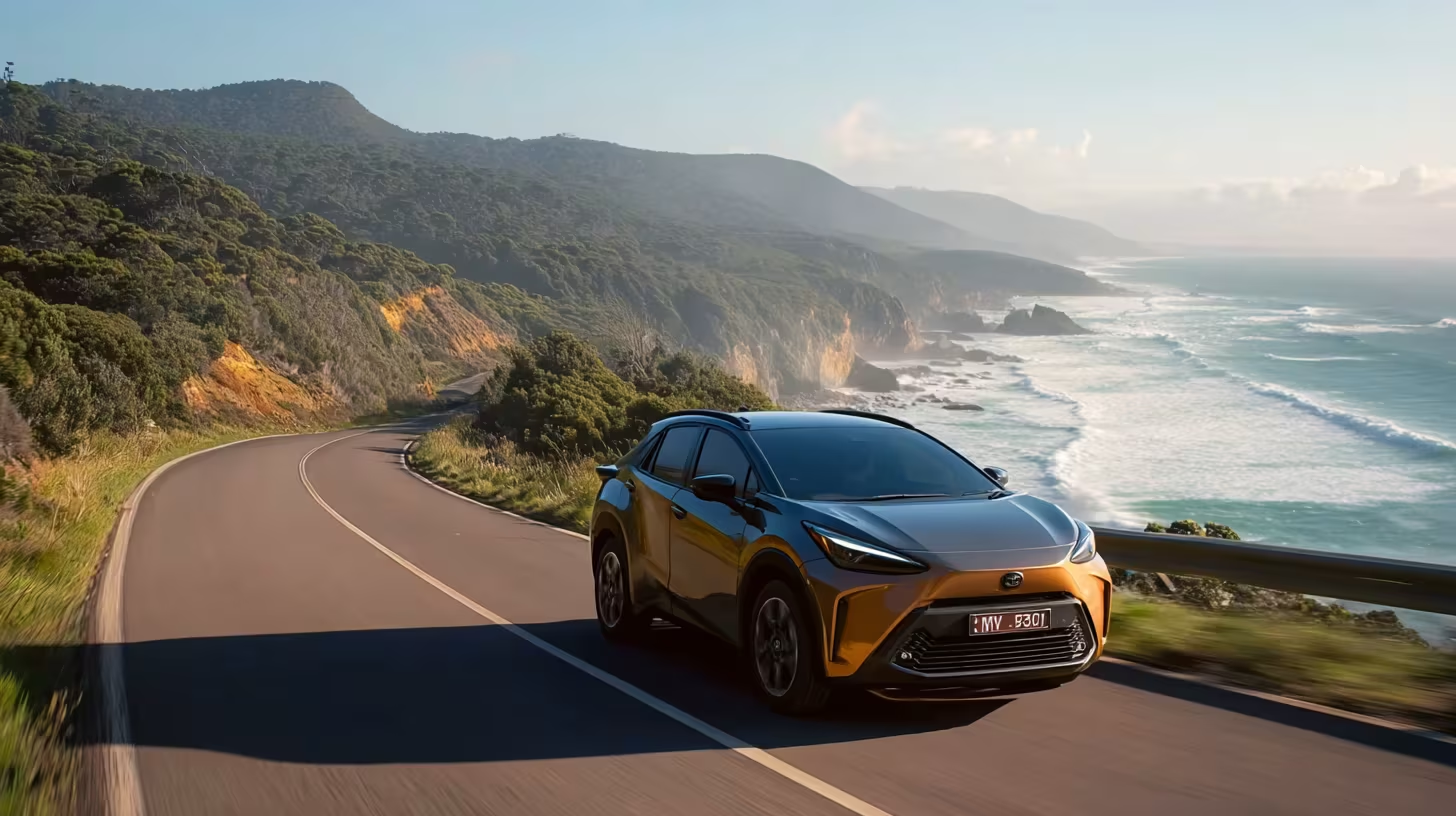
The Toyota C-HR Hybrid is Australia’s favourite city-sized hybrid SUV, mixing bold coupe-inspired styling with Toyota’s proven hybrid powertrain for efficient, practical, and comfortable commuting. Under the hood, every Toyota C-HR Hybrid is powered by either a 1.8L petrol engine with a 53kW e-motor (103kW total) in front-wheel drive or, in the GR Sport, a punchier 2.0L hybrid (145kW) with all-wheel drive—delivering low-speed electric smoothness and combined cycle fuel use as low as 4.0L/100km. Compact exterior dimensions (just 4.36m long) and a tall seating position make city parking and traffic easy, while the 390L boot and split-folding seats cater for shopping, family gear, or work duty.
Inside, the Toyota C-HR Hybrid blends practicality and flair: a driver-focused dash, high-mounted touchscreen (8"/12.3" on Koba/GR Sport), digital cluster (ZR), wireless Apple CarPlay, and ambient lighting (upper trims) create a contemporary feel. All models seat five, with dual-zone climate and leather-accented options for buyers who want a plush vibe. ANCAP 5-star safety, Toyota Safety Sense (AEB, lane keep, adaptive cruise, blind-spot, and rear cross-traffic), and a hybrid battery warranty of 10 years/unlimited km boost resale and peace of mind. Strong resale, Toyota’s capped service, and a low running cost formula keep the C-HR Hybrid near the top of the sales charts.
For city buyers, downsizers, and tech-savvy families alike, the Toyota C-HR Hybrid is the efficient, well-equipped small SUV that punches above its weight on style and real-world economy.
Available models

Want Solar Finance Options?
Compare lenders and get tailored loan offers.
C Hr Hybrid Performance & Power
The Toyota C-HR Hybrid’s 1.8L e-motor setup (103kW, FWD) delivers strong electric punch off the mark, with effortless acceleration for city commuting—"There’s a lot more engine noise in this car than in many rivals...but the powertrain is smooth," notes Matt Campbell (CarExpert). In GR Sport hybrid, the 2.0L 145kW AWD setup brings extra response and confidence on slick roads or rural detours. The e-CVT ensures there’s no gear-shifting jerk and maximises fuel savings whenever possible.
Urban performance is brisk; once up to speed, reviewers praise “predictable, stable handling” and steer-by-wire feel that suits tight Aussie streets. Engine and road noise are louder than in a Corolla Cross, but hybrid economy and maneuverability make up for it. EV mode is short-lived, but self-charging logic means you never need to plug in.
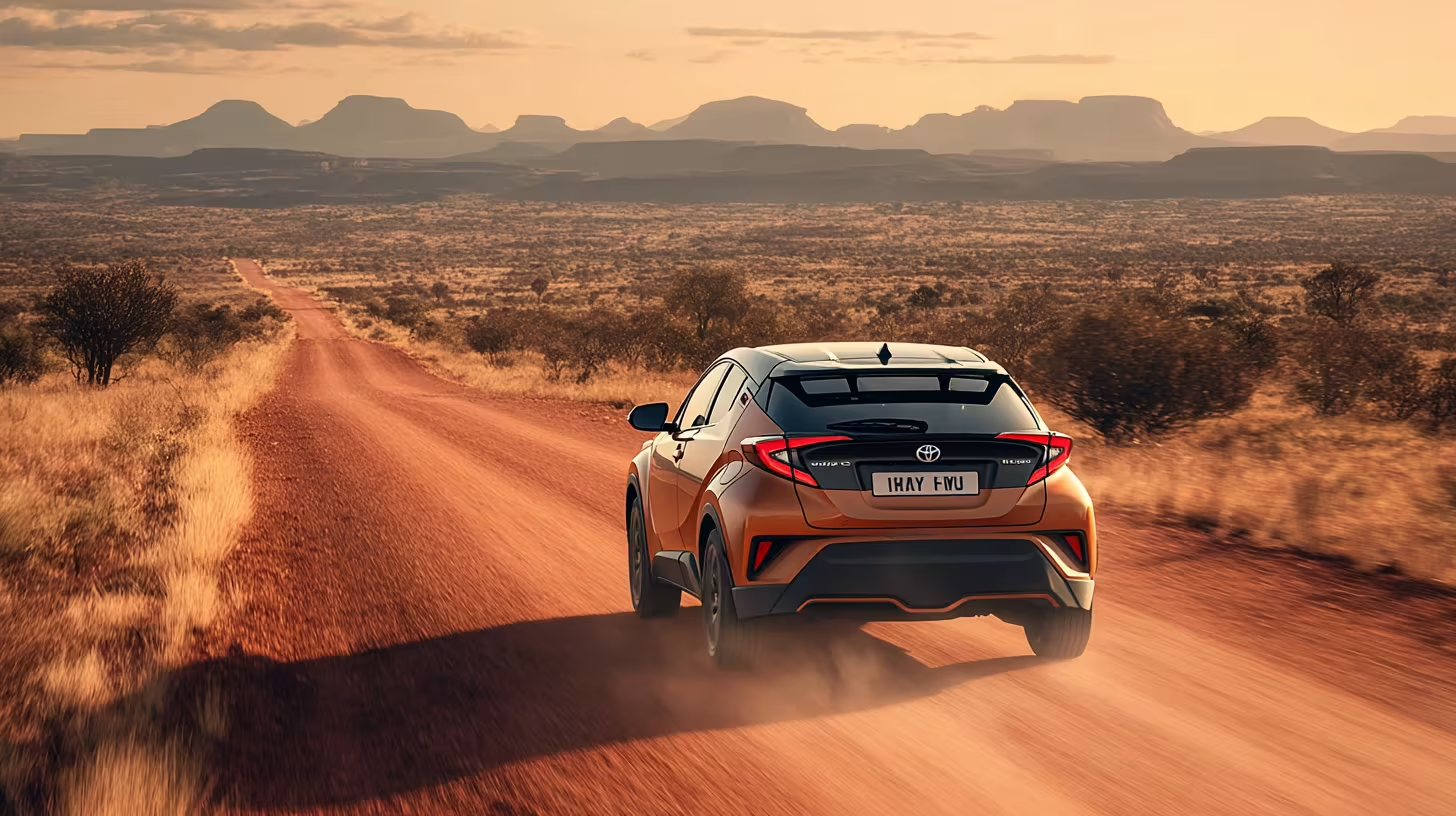
C Hr Hybrid Interior & Design
The Toyota C-HR Hybrid cabin draws raves for its "fetching" driver-focused design (James Wong, CarExpert), sculpted dash, and bold colour themes. Upper trims (Koba, GR Sport) feature two-tone and ambient lighting, leather accents, sports seats, and panoramic roof, while the rear is best for two adults or three kids due to a low roofline. Fit and finish impress for the price, though some critics note the abundance of hard plastics—useful for parents with young kids.
Boot space is above average for a compact SUV (390L) and easily swallows a pram, weekly shopping, or sports gear; split-folding rear seats guarantee versatility for road trips. Dual-level boot floor appears on higher trims. Despite compact dimensions, the Toyota C-HR Hybrid feels roomy up front; some reviewers wish for more rear seat and cargo space.
C Hr Hybrid Technology & Safety
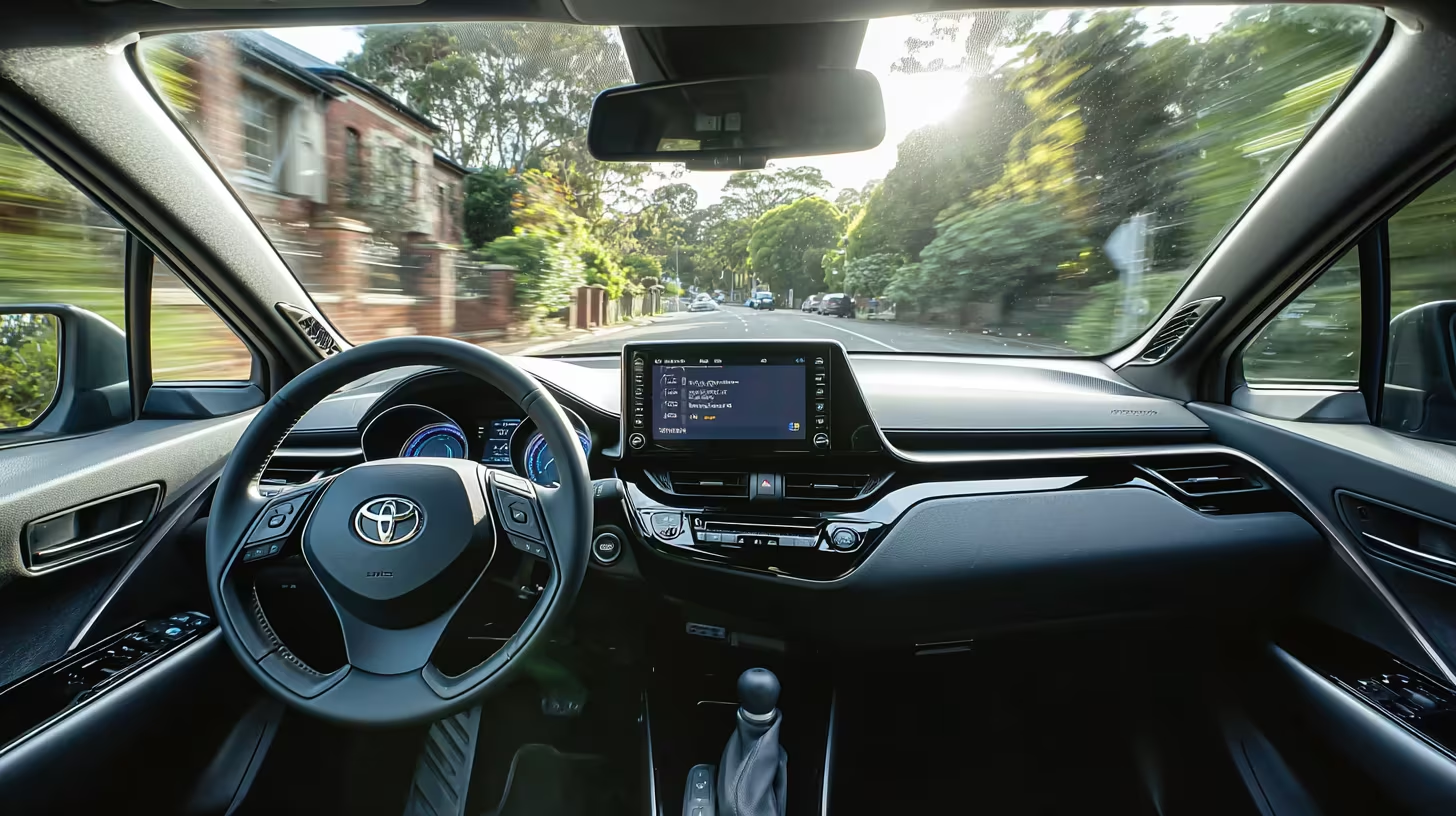
Every Toyota C-HR Hybrid boasts Toyota Safety Sense: pre-collision AEB, adaptive cruise, lane tracing, blind-spot, rear cross-traffic, and reversing camera, awarding a 5-star ANCAP rating. The Koba and GR Sport shine with a high-res 12.3-inch infotainment screen (GXL 8.0-inch), wireless CarPlay, DAB, and satellite nav. "Safety features are well-integrated and never overbearing," notes Matt Campbell (CarExpert). JBL premium audio, power tailgate, and head-up display are options for tech-hungry buyers.
Physical dials and climate controls remain for ease of use. Connected Services allow remote monitoring and alerts (first 12 months free), making the Toyota C-HR Hybrid a tech-leader among small hybrid SUVs. Parking sensors and the surround-view camera on GR Sport/Koba trims further boost city confidence.
C Hr Hybrid Range & Charging
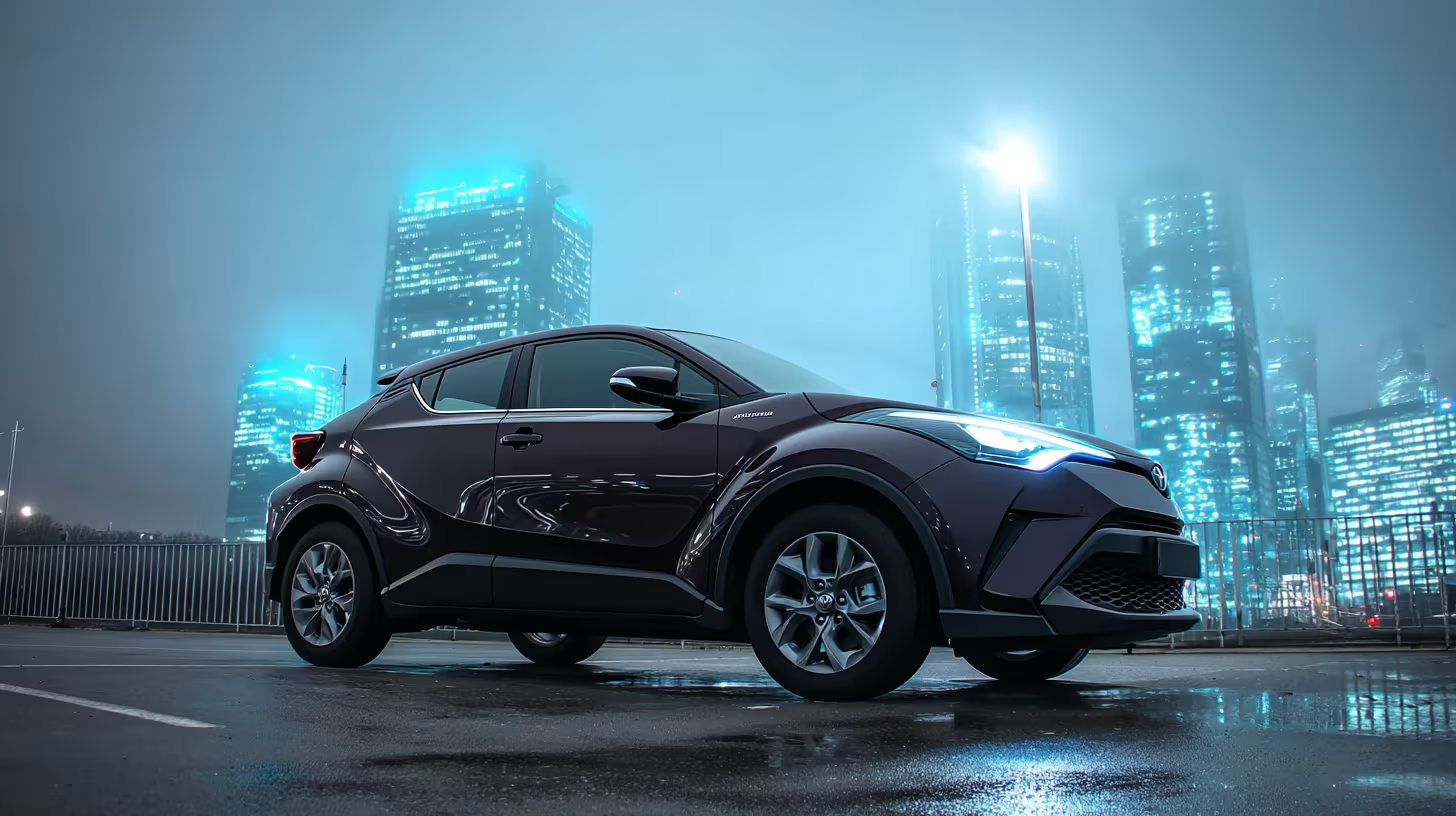
Fuel use is officially 4.0–4.1L/100km for all Toyota C-HR Hybrid variants, with owners and journalists seeing 4.5–5.1L/100km in mixed traffic—“excellent for a small SUV,” notes Tung Nguyen (Drive). Regular 91 RON unleaded keeps filling costs low, with a range of 750–900km from the 43L tank, depending on driving style. The hybrid system automatically switches between petrol and electric driving, no plug or EV charger needed.
EV-only driving is restricted to short city pulses and car parks; the overall hybrid balance saves fuel over any petrol crossover in this size. The self-charging battery is warrantied for 10 years/unlimited km.
C Hr Hybrid & Solar Power
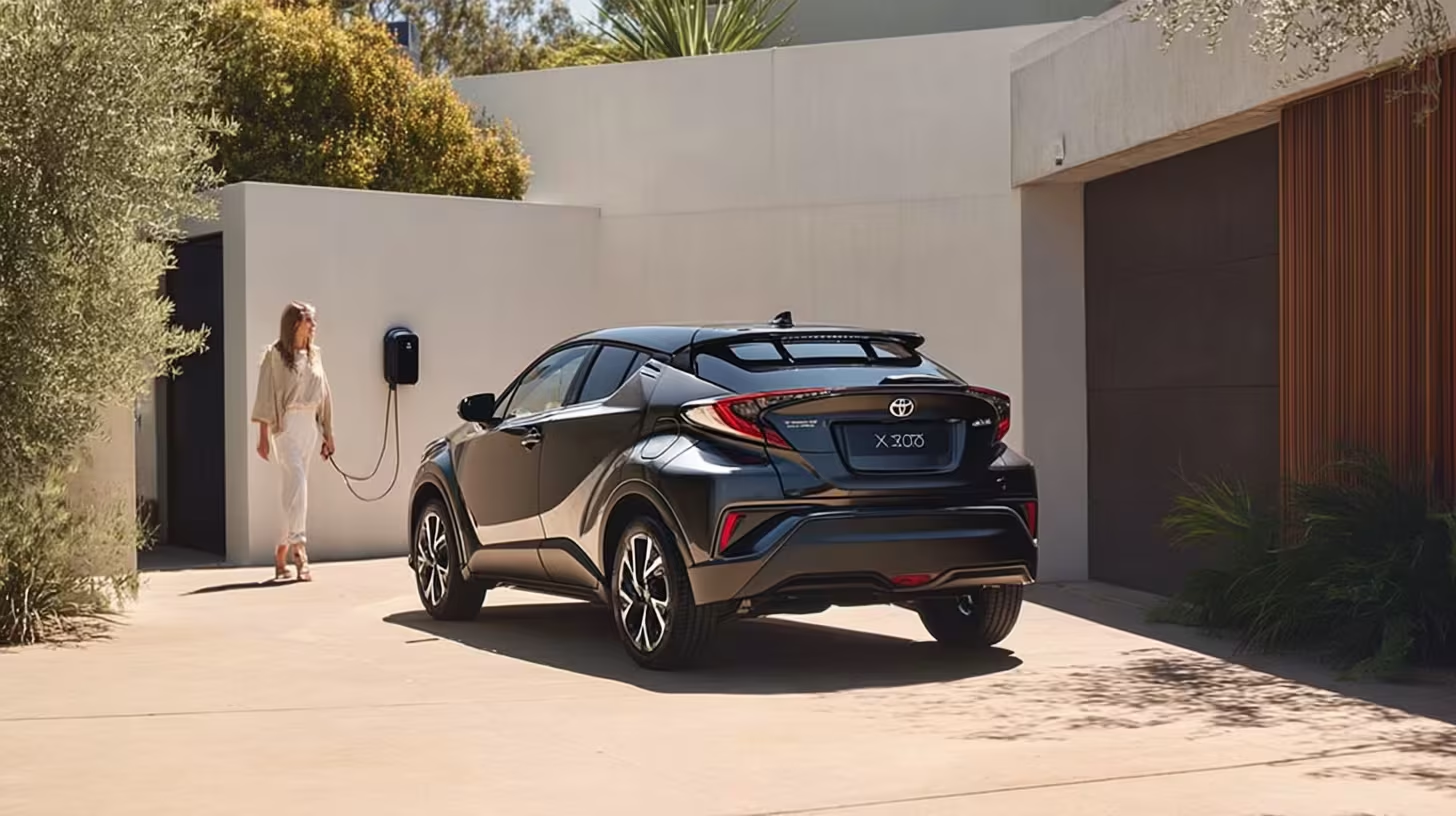
While you cannot plug in a Toyota C-HR Hybrid, matching it with home solar panels is still a clever way to drop running costs by powering your house and home charger from sunlight. This frees up room in the budget for your refuels and makes any future plug-in EV upgrades seamless. For green-minded city buyers or families, the Toyota C-HR Hybrid plus home PV system is a near-perfect recipe for low bills and eco value. Most solar installs repay themselves in 2–3 years as energy prices rise. Solar readiness is future-proof for hybrid garages.
FAQ - Toyota C Hr Hybrid
What is the price of the Toyota C-HR Hybrid in Australia for 2025?
Toyota C-HR GXL Hybrid starts at $42,990, Koba Hybrid is $49,990, and the new GR Sport Hybrid AWD launches from $54,990. “Toyota C-HR Hybrid price Australia,” “cost,” and “for sale” dominate new buyer searches. Extras like metallic paint, dual-tone colour options, and leather packs add to the overall drive-away cost. Used and demo cars typically start around $33,000–$38,000 for clean examples. Delivery times vary due to strong demand.
How fuel-efficient is the Toyota C-HR Hybrid and what real-world range can I expect?
Expect 4.1–5.0L/100km under typical AU city/highway use; official claim is 4.0‒4.1L/100km. “Toyota C-HR Hybrid fuel consumption,” “mpg,” and “range” are frequently googled. The 43L tank provides 750–900km between fill-ups for most urban commuters and families. Only 91-octane petrol is needed, keeping fuel bills low. Service intervals remain annually or every 15,000km.
Is the Toyota C-HR Hybrid available with AWD, and do I need it for city or country driving?
Yes—Toyota C-HR Hybrid AWD is offered in the GR Sport, where an electric rear motor powers the back wheels for better traction on wet/gravel roads. "Toyota C-HR Hybrid AWD," "for sale," and "awd vs fwd" are hot comparison phrases. FWD suits most metro buyers; AWD is best for hills, rainy weather, or regional trips. All variants have high safety ratings and 10-year battery warranty.
What’s the boot space and how practical is the Toyota C-HR Hybrid for small families?
Boot holds 390L (FWD) or 314L (AWD), with split-rear seats for larger items/bikes. “Toyota C-HR Hybrid boot space,” "cargo," and "interior" are must-checks for city buyers. Seats-up, the cargo area swallows strollers, groceries, or sports kit with ease. Space is above rivals like Kona Hybrid and MG ZS. Loading and unloading are easy thanks to a wide opening and low load lip.
Does the Toyota C-HR Hybrid have Apple CarPlay, Android Auto, and good tech?
Yes—all Toyota C-HR Hybrids feature wireless CarPlay and wired/wireless Android Auto, DAB radio, navigation (upmarket trims), and physical climate dials. "Tech," "touchscreen," and "audio" see strong interest among younger drivers. Urban trim brings the largest screen and JBL premium audio. Entry versions keep the 8" touchscreen practical. Most owners find tech intuitive and reliable for daily needs.
Is the Toyota C-HR Hybrid reliable and what’s the warranty for battery and car?
Toyota C-HR Hybrid is built in Japan with a five-year/unlimited km vehicle warranty and a 10-year/unlimited-km battery guarantee (if serviced at Toyota). "Reliability," "warranty," and "battery replacement cost" frequently trend in AU forums. Battery swaps after 10 years are rare and affordable ($1,600‒$2,500 AUD). Toyota’s capped servicing keeps the cost predictable.
How does Toyota C-HR Hybrid compare to Corolla Cross Hybrid or Yaris Cross Hybrid?
The C-HR Hybrid is smaller, sportier, and more urban-focused than the Corolla Cross Hybrid, offering stronger design and more agile handling. "C-HR Hybrid vs Corolla Cross/Yaris Cross," "comparison," and "GR Sport vs Hybrid" are common search terms. Yaris Cross is more affordable, but C-HR feels more premium. Boot space and finish are C-HR highlights.
What are the service intervals and running costs for the Toyota C-HR Hybrid?
Service is required annually or every 15,000km, with capped price at every visit for five years. "Service cost Australia," "maintenance," and "interval" trend with budget-focused owners. Most consumables are brakes/tyres; hybrid system needs no plug. Insurance averages $700–$1,200/year. Coverage for roadside assistance and repairs is broad.
Can I buy a used or demo Toyota C-HR Hybrid and what should I check?
Yes—Toyota C-HR Hybrid used and second hand sales are growing; "used cars for sale," "second hand," and "for sale near me" trend for value buyers. Check dealer service/maintenance log, battery warranty, and accident history for peace of mind. Battery warranty transfers with logbook history. Pricing is firm due to demand, especially in large cities.
Is the Toyota C-HR Hybrid a plug-in or does it need charging?
No—the Toyota C-HR Hybrid is self-charging via engine and regenerative brakes; it doesn’t plug in or support public EV charging. "Plug-in hybrid," "charging port," and "engine only" are UI queries. Running is like any petrol car but with battery support for city savings. Battery replenishes in transit.
How reliable is the Toyota C-HR Hybrid in stop-start city or Uber/Taxi fleet driving?
Outstanding—battery and system are robust with few warranty claims. "Fleet hybrid," "Uber use," and "battery life" are increasingly searched by fleet managers. Hybrid battery warranty transfers; all hybrid models are city-proofed for office or taxi life.
What battery replacement cost can I expect for Toyota C-HR Hybrid in Australia?
Battery swaps after 10+ years cost about $1,600–$2,500 AUD, usually faster than quoted if maintained with Toyota. "Battery warranty Australia" and "cost" are high-value AU queries. Batteries last well over 200,000km if serviced.
How good is Toyota C-HR Hybrid at reducing fuel bills for Australian families?
Owners and testers agree fuel bills are cut in half versus small turbo SUVs; 700–900km between fills is typical. "Fuel consumption," "economy," and "running cost" are major family-buy/purchase queries. Even with city-only use, savings are maximised thanks to hybrid stop-start and regenerative braking.
Does the Toyota C-HR Hybrid include full ADAS and safety kit?
All models include AEB, lane keep, radar cruise, and reversing camera; blind-spot and rear cross-traffic, parking sensors, and surround camera are reserved for upper trims. "Safety," "ANCAP," and "safety features" are top city and new parent queries. 5-star rating is standard. Alerts are clear—few owners note they’re overbearing.
How does the Toyota C-HR Hybrid’s design and colours compare to rivals?
Design is avante-garde, with bold two-tone/metallic paint options and coupe-inspired rooflines. "C-HR Hybrid colours," "design review," and "boot space" are key search trends. ZR/GR Sport trims add further visual spice. Interior design divides: some love the bold shapes, others find it less plush than the price would suggest.
Is Toyota C-HR Hybrid boot space enough for active buyers or Uber drivers?
Yes—the 390L boot (FWD) is big for the class; 314L in AWD. “Boot space,” "cargo area," and "Uber hybrid" are trending highly. Split/fold rear bench delivers flexible stowage. Entry/exit is improved over earlier C-HR models.
Can I buy or lease the Toyota C-HR Hybrid for business, fleet, or novated lease?
Yes—lease, salary-pack, and fleet finance are supported. "Novated lease," "fleet SUV," and "lease Toyota Hybrid" spike with SME/taxi adoption. Tax and FBT savings available on some plans. Warranty and service coverage are strong for all business buyers.
What accessories and extras do Toyota C-HR Hybrid drivers choose most?
Popular add-ons are sunshades, floor mats, cargo nets, dash cams, roof racks, bike carriers, and pet barriers. "Accessories," "boot mat," and "seat covers" are city driver and parent FAQ. Toyota dealer-fit keeps warranty safe.
Where is the Toyota C-HR Hybrid made, and what AU support is in place?
All Toyota C-HR Hybrid models for Australia are built in Japan, with nationwide warranty, servicing, and battery support. Dealer and part support are strong in all capitals and regional areas. "Where made," "warranty," and "service" are trust checkboxes. Dealer network logs all maintenance.
Is the Toyota C-HR Hybrid worth it versus petrol rivals or plug-in competitors?
Toyota C-HR Hybrid offers 4.0–5.0L/100km, low insurance, capped service, and ten-year battery peace of mind; plug-ins from Hyundai, MG, or Kia cost more and need charging infrastructure. "Is it worth it," "compare hybrid," and "fuel savings" are all value questions. Most city/urban drivers find C-HR Hybrid the lowest actual cost of ownership over five years.
Find EV Chargers & Solar Power by State
Discover charging infrastructure and solar power options for your TOYOTA C Hr Hybrid in your state:
*Disclaimer: This page includes information, descriptions, and images that may have been created or enhanced with the assistance artificial intelligence, powered by our proprietary Ray-i (AI) technology system. While we do our best to ensure accuracy, specifications and details can vary between models, regions, and over time as manufacturers make updates. Images are for illustrative purposes, and the content is provided for general reference. For the most up-to-date specifications or features, we recommend checking directly with the manufacturer or your local dealer.