

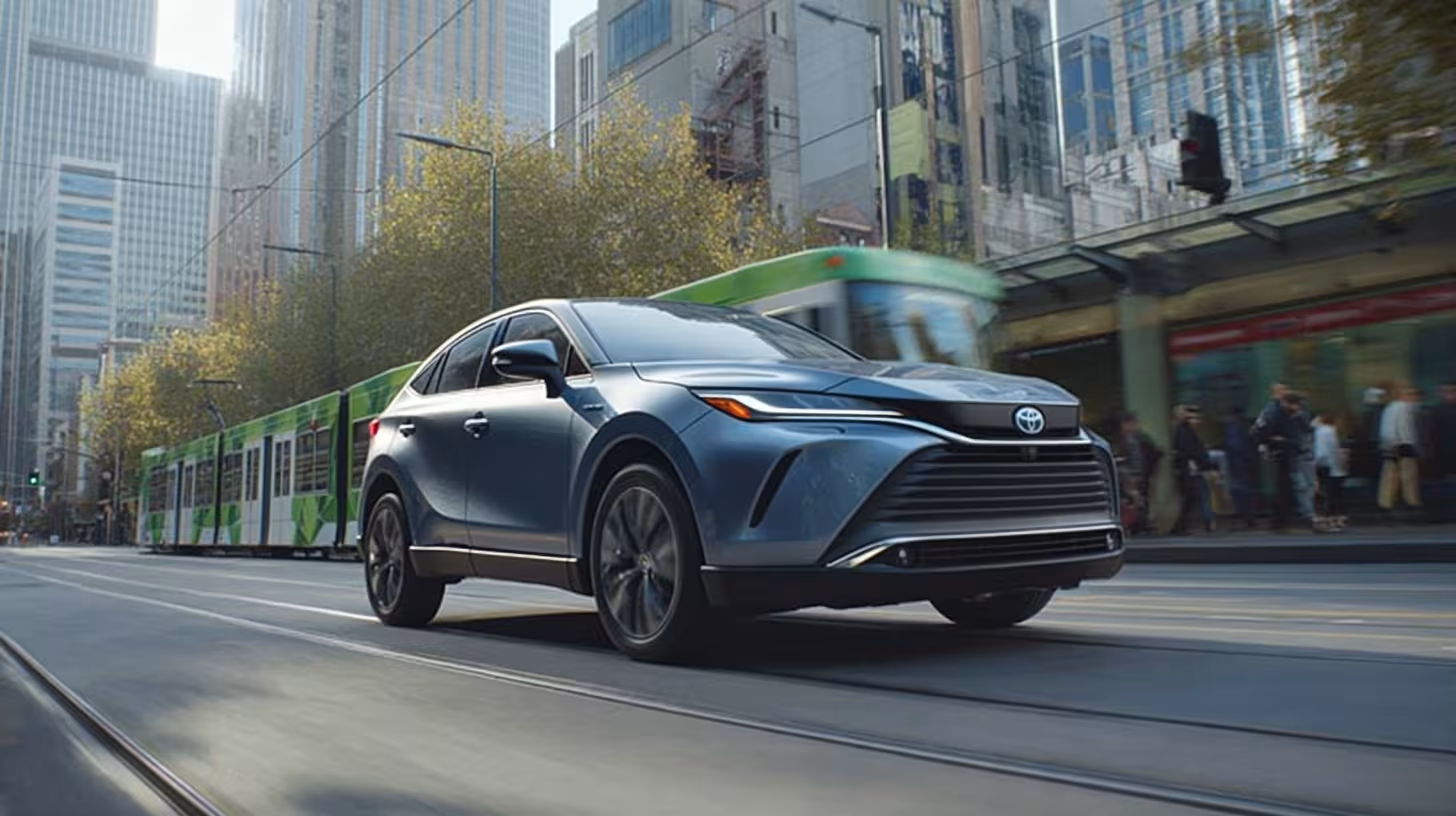
Camry Hybrid
TOYOTA
Camry Hybrid Introduction
The Toyota Camry Hybrid has earned its reputation as Australia’s most popular hybrid sedan, offering bulletproof efficiency and comfort in a package that balances refinement, value, and smart technology. Powered by a 2.5-litre petrol engine paired with a punchy 100kW electric motor (total 170kW), the Toyota Camry Hybrid sedan delivers official fuel consumption of just 4.0L/100km and a theoretical range of 1,200km—making it ideal for city commuters, Uber and rideshare professionals, and family road-trippers. The spacious cabin accommodates five adults, with a generous 524L boot and slick new infotainment: entry trims get an 8-inch touchscreen, while Ascent Sport and SL bring a 12.3-inch display, wireless phone mirroring, and satellite navigation.
Every Toyota Camry Hybrid includes Toyota Safety Sense—AEB (with pedestrian/cyclist detection), lane-keep assist, adaptive cruise, and blind spot monitoring—plus a 5-star ANCAP rating for peace of mind. The SL variant spoils you with leather, heated/ventilated seats, JBL audio, panoramic sunroof, and power everything, while rear-seat air vents and digital DAB radio keep all passengers happy. With Toyota’s legendary reliability, low ownership costs ($255 capped service for the first 5 years), and strong resale, the Camry Hybrid is a go-to for eco-conscious buyers seeking real-world savings. New and used examples alike offer 5-year unlimited km vehicle warranty and 8 years or 160,000km on the hybrid battery.
For Australians wanting a sedan that effortlessly blends cost-efficiency, comfort, and road trip capability, the Toyota Camry Hybrid sets the bar by which all others are judged.
Available models

Want Solar Finance Options?
Compare lenders and get tailored loan offers.
Camry Hybrid Performance & Power
Beneath the bonnet, the Toyota Camry Hybrid uses a 2.5L petrol engine plus a 100kW electric motor, for a combined output of 170kW channelled through a smooth CVT to the front wheels. Matt Campbell (CarExpert) calls the hybrid system “the benchmark for powertrain management… with a smooth yet still potent experience when you need it.” Kez Casey (Drive) praises the quiet, refined daily performance, with more electric-only running in city traffic and solid progress at freeway speeds.
While not overtly sporty, the system offers punch for overtaking and a “solid, if not scintillating” drive when you put your foot down (Dylan Campbell, Chasing Cars). Fuel-saving start-stop functions are unobtrusive, and drivers report more electric-only movement than ever. CVT can sound a little strained under hard acceleration, but in practice the Camry’s hybrid system is tuned for comfort and efficiency—not outright performance thrills.
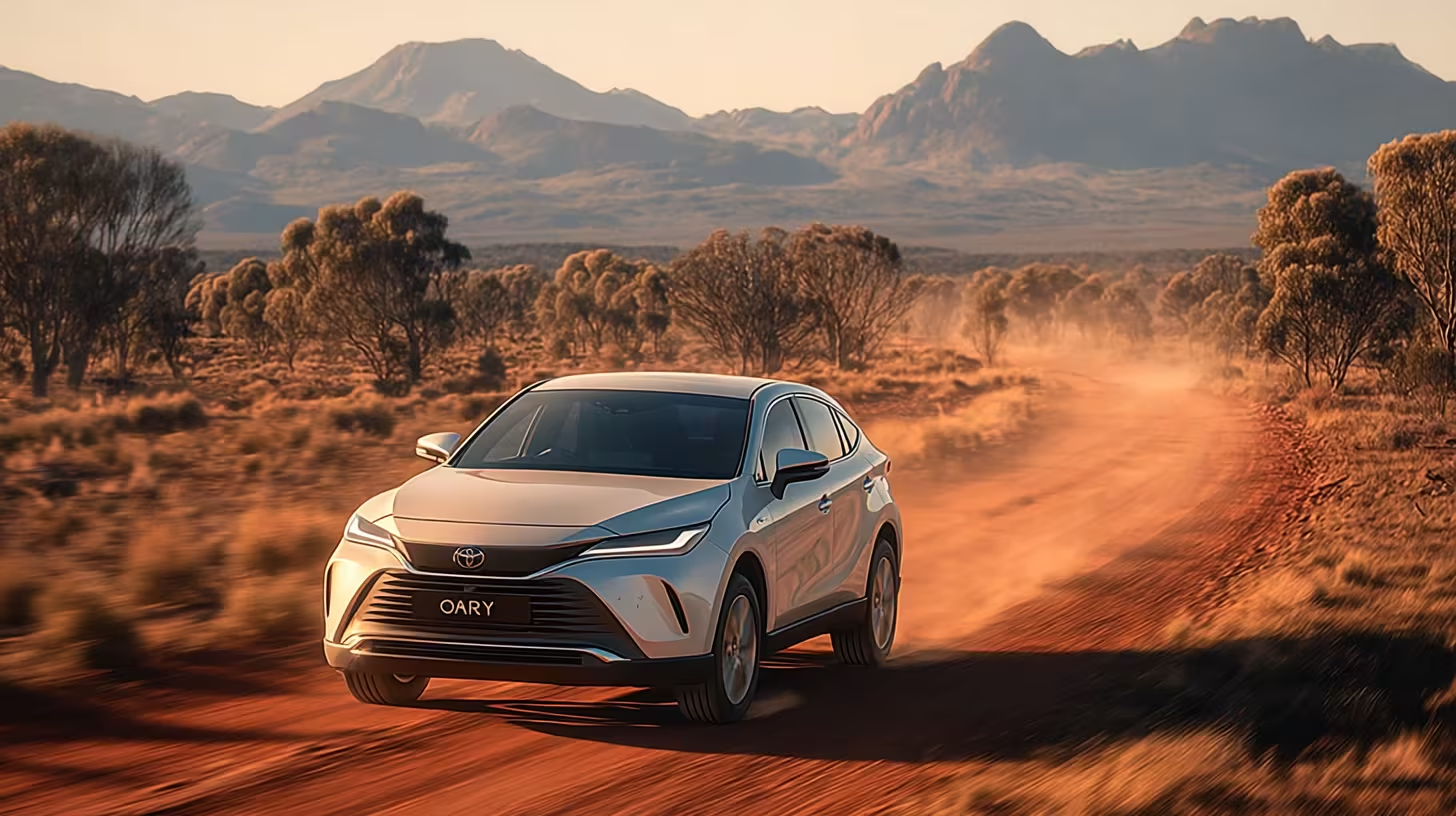
Camry Hybrid Interior & Design
“The Camry Hybrid feels far more expensive than it is,” Matt Campbell (CarExpert) notes, thanks to a sweeping dash, available panoramic sunroof, leather-accented trim (SL), and ample rear legroom. The minimalist cockpit layout and advanced climate controls are practical, while new ambient lighting and updated touchscreen (8.0" or 12.3" depending on trim) deliver a premium vibe for the price. Boot space is an impressive 524L—well above most rivals—while 60:40 split folding rear seats boost load flexibility for weekend escapes or taxi work.
Emily Agar (CarsGuide) and Kez Casey (Drive) highlight that base trims favour harder-wearing materials for rideshare or family messes, while SL models elevate comfort with suede, soft dash, and power seats. All five seats have proper adult accommodation, though rear headroom is snug under the SL’s sunroof. Despite “taxi” associations, new Camry design reads more “mini-Lexus” than fleet workhorse for many owners.
Camry Hybrid Technology & Safety
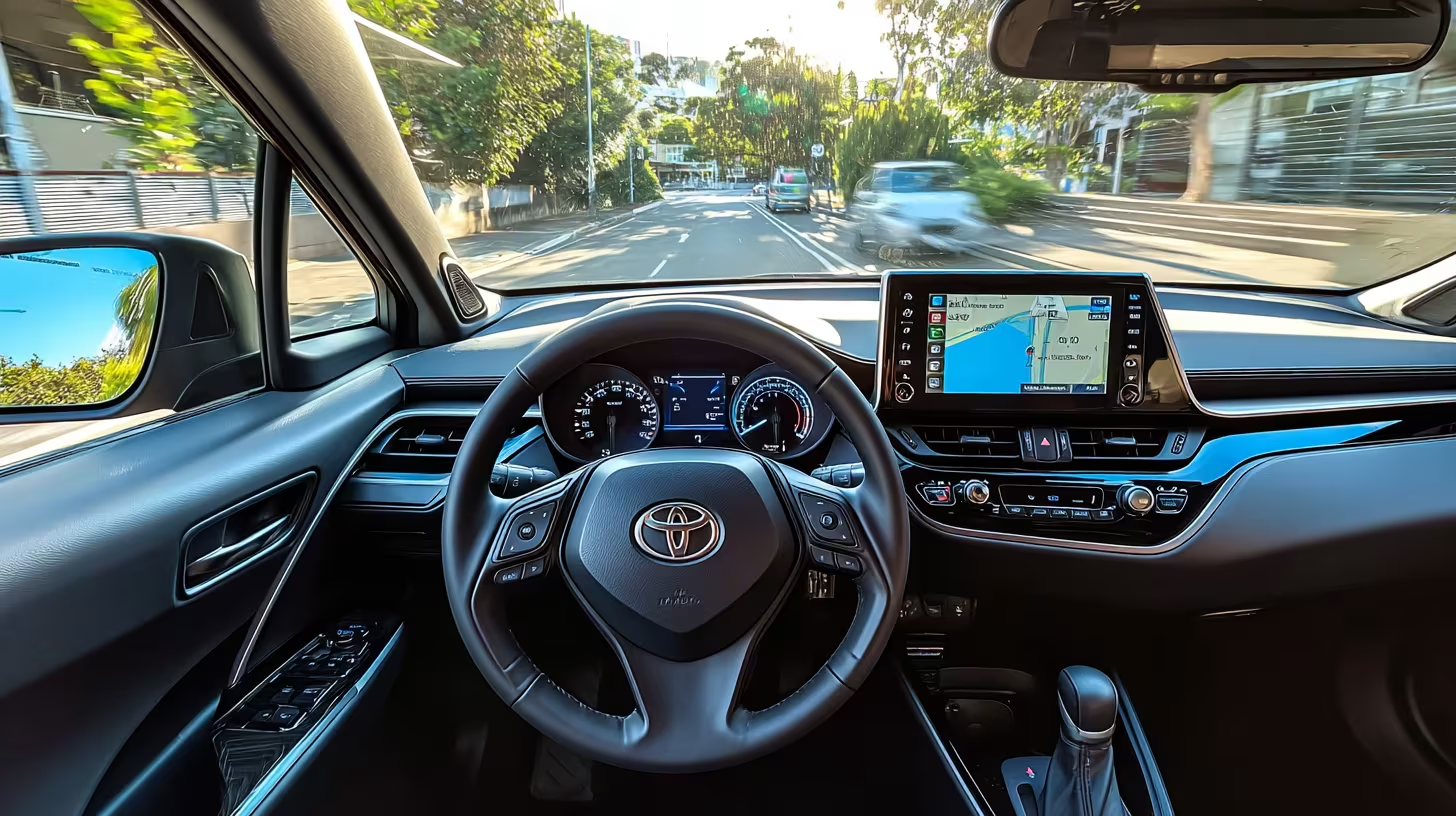
Every Toyota Camry Hybrid is cleverly equipped: 8- or 12.3-inch touchscreen, wireless Apple CarPlay/Android Auto, sat-nav on higher trims, and a 9-speaker JBL system on the SL. “Toyota’s latest active-safety tech includes AEB, Lane Tracing, Adaptive Cruise, and more; it all worked well during our testing without being annoying or intrusive," says Dylan Campbell, Chasing Cars. Blind-spot monitor, rear cross-traffic alert, and 360° camera (SL) further help with city parking or family drop-offs.
Physical volume and climate controls remain for easy operation. Matt Campbell (CarExpert) calls out the digital driver display as a highlight in higher trims, while connected services (including remote start and vehicle tracking) are now available on a subscription basis. Standard camera and radar coverage underpin a strong real-world safety reputation.
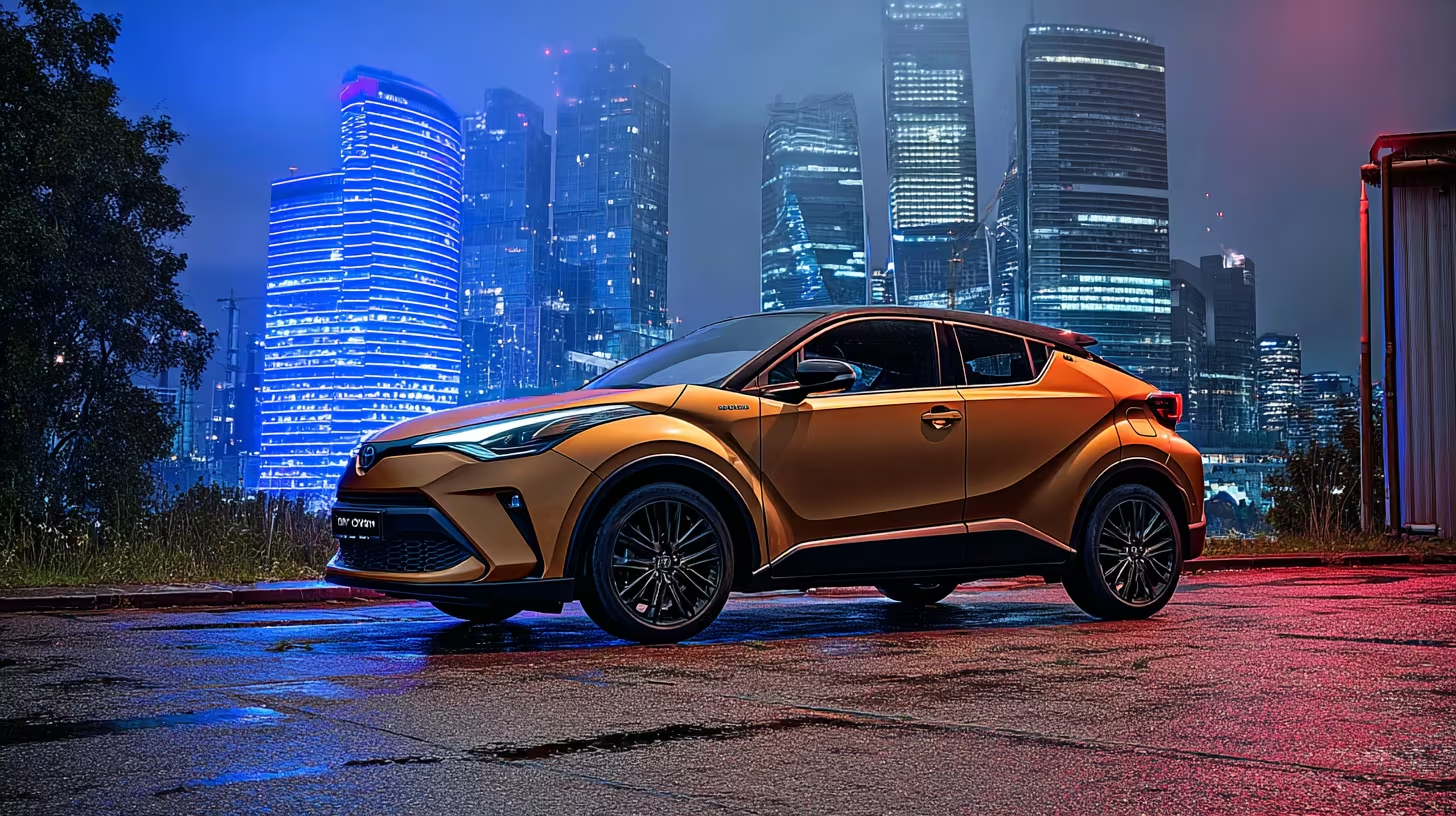
Camry Hybrid Range & Charging
The Camry Hybrid’s 50L tank and official 4.0L/100km fuel consumption gives a theoretical range of over 1,200km—perfect for both city commutes and intercity touring. Real-world drivers like Emily Agar (CarsGuide) called out “4.4L/100km as excellent,” while Dylan Campbell (Chasing Cars) recorded “a best of 3.8L/100km” in mixed use. Electric-only mode works up to moderate speeds, with the petrol engine taking over on highways. There’s no plug—regenerative braking and engine overrun recharge the battery during everyday cycles.
Refuelling is quick and requires only 95 RON unleaded; all owners recommend routine servicing to maximise hybrid efficiency. EV mode shines in city and stop-start situations, boosting savings for professional and family drivers alike. 1,000km+ trips between refuels are regular feedback from fleet users and taxi drivers.
Camry Hybrid & Solar Power
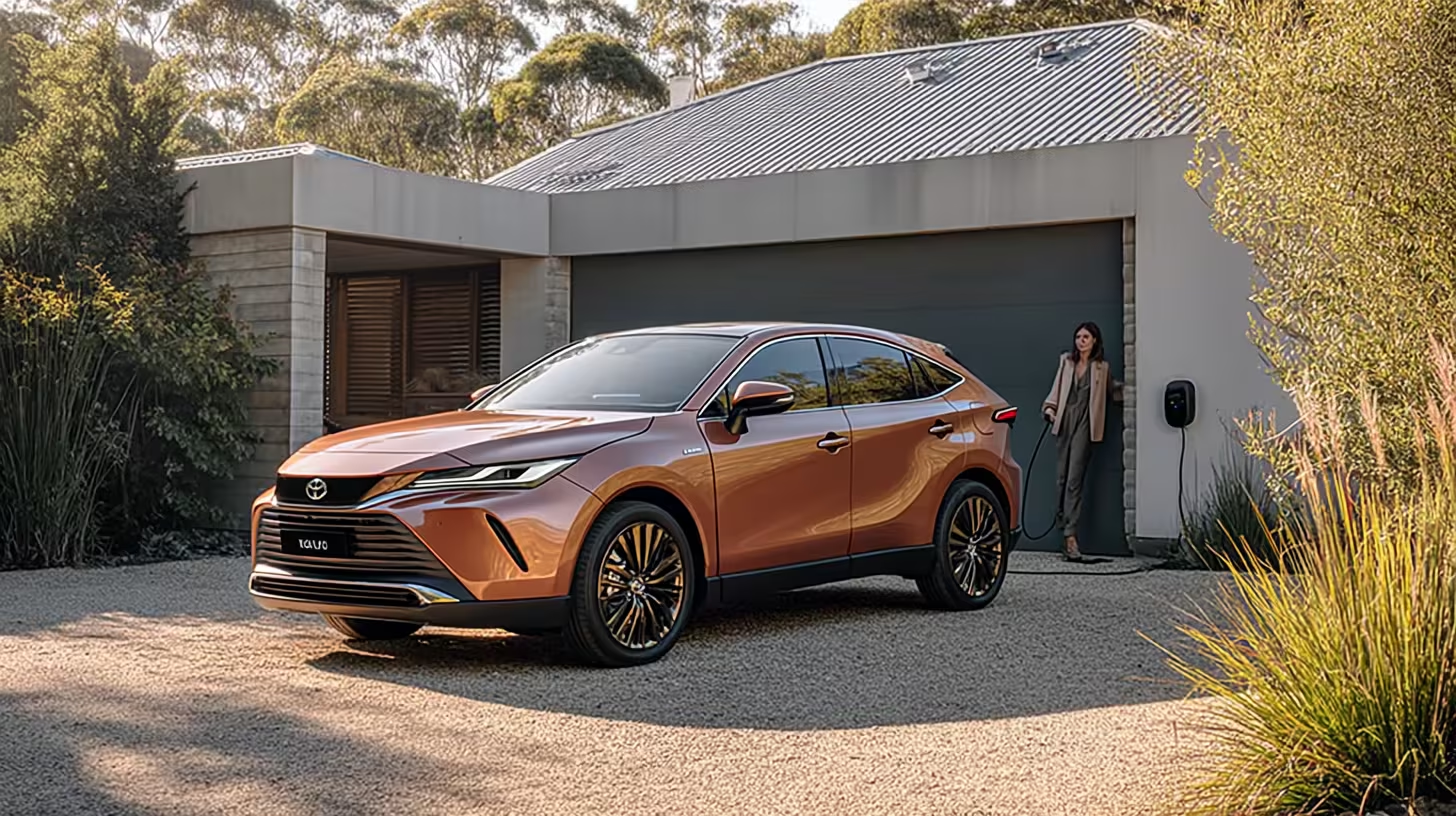
Pairing a Toyota Camry Hybrid with home solar panels is one of the smartest ways for Australian families and rideshare operators to achieve near-zero running costs. When your home energy and appliances run on solar, you offset virtually all petrol use—making every commute and trip cheaper than an equivalent petrol or diesel sedan. With a solar-timed charger, you can future-proof for the next EV or plug-in, while Camry Hybrid’s battery, engine, and warranty provide a seamless hand-off between sun-charged home and city errands. Most households break even on solar installs in 2–3 years, especially as energy and petrol prices climb. Making a Toyota Camry Hybrid part of a solar-ready home is a forward-thinking step for the next decade.
FAQ - Toyota Camry Hybrid
What is the price of the Toyota Camry Hybrid in Australia in 2025?
The Toyota Camry Ascent Hybrid starts at $39,990, Ascent Sport Hybrid is $42,990, and SL Hybrid tops out at $53,990 drive-away (before on-roads or extras). “Toyota Camry Hybrid price Australia,” “cost,” and “for sale” remain the top searches for new and used hybrid buyers. Prices in Sydney, Melbourne, Perth, and Brisbane track closely but can vary with stock, finance, and local dealer offers. Used and second-hand Camry Hybrids for sale can be found from the low $20,000s. Fleet/lease deals are popular with businesses and rideshare drivers.
How fuel-efficient is the Toyota Camry Hybrid compared to other sedans?
Official combined use is 4.0L/100km, and drivers report 4.0–4.4L/100km in mixed traffic—well ahead of petrol rivals and slightly beating MG HS, Honda Accord, and even many small SUVs for cost. "Camry Hybrid fuel consumption", "mpg", and "mileage" are frequent high-intent owner questions. The RAV4 Hybrid is close on urban economy, but the Camry Hybrid wins for long-range comfort. Tank range is well over 1,000km for most owners. Urban and rideshare drivers enjoy the biggest fuel savings.
How does the Toyota Camry Hybrid drive and what’s the performance like?
With 170kW combined and a CVT, acceleration is solid but not sporty: 0–100km/h comes up in about 7.9 seconds, and the ride is “smooth yet still potent” (Matt Campbell, CarExpert). Power delivery is seamless; most reviewers point to quiet electric-only launches and refined, near-silent cruising as highlights. On the highway, petrol takes over smoothly. The CVT can feel “uninspiring” under hard throttle but keeps revs low on longer trips.
Is the Toyota Camry Hybrid comfortable for five adults and families?
Absolutely—roomy front and rear, big glass, comfortable seating, and a plush boot (524L) make the Camry Hybrid a family or exec standby. "Interior," "boot space," and "size" frequently spike Australian research. The SL’s panoramic sunroof and ventilated seats further elevate the luxury. Some note headroom tight in rear under the sunroof for tall passengers. Split folding opens up enough room for a big shopping trip or family camping.
What tech and safety features are standard in the Toyota Camry Hybrid lineup?
All Camry Hybrids include Toyota Safety Sense (AEB, pedestrian/cyclist detection, lane-keep, lane tracing, radar cruise, auto-high-beam, sign recognition), plus an 8.0- or 12.3-inch touchscreen, wireless CarPlay/Android Auto, and rear camera. SL adds 360° camera, heated/ventilated seats, JBL audio, power seats, sunroof, and full connected services (via app). "Safety features," "ADAS," and "camera" are buyer priorities. Five-star ANCAP is standard. Entry trims skip rain-sensing wipers but retain all the core safety signals.
What is the lifespan and real-world replacement cost for a Toyota Camry Hybrid battery?
Battery life is typically 10–15 years or more (8 years/160,000km warranty is standard). "Camry Hybrid battery," "battery price Australia," and "replacement cost" spike in owner searches—most dealers quote $2,000–$3,500 AUD for a new pack after warranty. Modern battery management means rare need for early swap. Roadside assist and battery diagnostics come with scheduled service. Sydney, Melbourne, Perth, and Brisbane all have certified dealers.
How does the Camry Hybrid compare to Toyota RAV4 or Corolla Hybrid?
Camry Hybrid is lower, more stable, and wins for ride comfort, boot space, and highway range (up to 1,200km/tank). "Camry Hybrid vs RAV4 Hybrid," "comparison," and "sedan vs SUV" dominate cross-shop. Corolla Hybrid is cheaper but less spacious. Camry Hybrid is the go-to for families and rideshare drivers needing sedan practicality and long-distance comfort. Fuel use and tech are similar across all Toyota hybrids.
Can I buy a used Toyota Camry Hybrid in Australia, and what should I look for?
Used Camry Hybrids for sale are among the hottest on the market; "second hand," "cars for sale," and "demo" are hot buyer terms. Check battery health, service history, and make sure all original keys/cards are provided. Many used cars are ex-rental or fleet; inspect for wear. Warranty and battery transfers are straightforward if serviced by dealers. Resale is among the strongest of any hybrid.
Does the Toyota Camry Hybrid boot/trunk hold enough for family travel or ride-hailing?
Boot is 524L seats up; split folding expands capacity for prams, gear, or extra shopping. "Boot space," "trunk size," and "luggage" are must-knows for parents and taxi operators. Wide opening, low floor, and sturdy liners make cargo easy. It’s widely rated among the top non-SUV sedans for storage.
Can I pair a Toyota Camry Hybrid with a home solar power system for cheaper running?
Yes—while you can’t plug the Camry Hybrid in directly, running your home on [solar panels](https://topproperty.eco/solar-power) offsets grid or fuel use and makes recharging household appliances and garage batteries less expensive. Many owners find Mcd households recoup solar cost in 2–3 years when considering energy and petrol. Solar-ready homes are better positioned for future plug-in EV upgrades and charger installation.
How reliable is the Toyota Camry Hybrid, and what issues do owners report?
Reliability is a strong point—Toyota Camry Hybrid vehicles are widely considered trouble-free for over a decade. "Reliability," "problems," and "issues" trend for new/used buyers; most faults relate to minor sensors or wear items. Battery swaps are rare within warranty. Regular dealership servicing keeps warranty intact.
Is the Toyota Camry Hybrid expensive to insure or maintain in Australia?
Insurance averages $820–$1,450/year depending on age, driver, and cover. Capped-price servicing is $255 per visit for the first five years—lower than most rivals. "Insurance cost," "service schedule," and "repair cost" are high-intent value questions. Petrol and battery are covered for up to eight years/160,000km warranty. Most owners call the Camry Hybrid one of the most affordable family cars on the road.
Which Toyota Camry Hybrid is best for families or private hire use?
Most families and Uber/taxi drivers prefer Ascent Sport or SL for wireless CarPlay, premium audio, split folding, and extra comfort/tech features. "Best Camry Hybrid," "taxi," and "Uber" spike for value-hunters. Ascent is geared to fleet/simple buyers. SL’s panoramic roof, JBL, and ventilated seats earn rave reviews from executives and long-road users.
How does waiting time for a new Toyota Camry Hybrid compare to used market availability?
2025+ model wait time varies but is usually 3–6 months depending on trim and state; "waiting time" is a trending query due to growing popularity. Used and demo cars can usually be driven away immediately. Supply, incentives, or choice of features can impact time-to-delivery.
Does the Camry Hybrid come standard with Apple CarPlay, Android Auto, and DAB radio?
Yes—wireless Apple CarPlay and Android Auto are now standard across the range; DAB+ is included on all but the base model. "Infotainment," "CarPlay," and "media" rank highly for buyers cross-shopping with Honda Accord or Kia Niro. JBL premium audio and phone connectivity get owner praise. Touchscreen interface is slick and clear on the move.
What kind of warranty and capped servicing does the Toyota Camry Hybrid offer?
Five-year/unlimited km base warranty; hybrid system covered up to eight years/160,000km. "Warranty," "service cost," and "maintenance" are high-checks for TCO queries. First five services are $255 capped, with roadside assist bundled in. Roadside and battery health checkups are standard, and extended battery warranty available from dealers.
Can the Toyota Camry Hybrid tow a trailer?
Towing capacity is limited at 400kg (braked/unbraked), so only suitable for very lightweight trailers. "Towing," "tow bar," and "hybrid towing" are trending as more owners ask about holiday gear. For anything larger, RAV4 Hybrid or Outlander PHEV are a better fit.
Are accessories, mats, and upgrades available for Toyota Camry Hybrid in Australia?
Yes—Toyota and third parties offer mats, seat covers, boot liners, racks, and fridges for Camry Hybrid models. "Accessories Australia," "seat covers," and "floor mats" spike in ride-share, taxi, and family owner searches. Dealer-fitted accessories carry warranty. Many options are universal across Camry and Hybrid trims.
Do ride-hailing, taxi, or hire-car companies prefer the Camry Hybrid, and why?
Absolutely—Uber and 13 Cabs drivers choose Camry Hybrid for low fuel and maintenance cost, comfort, and unbeatable reliability. "Taxi," "Uber," and "fleet" queries track with huge Camry Hybrid fleet demand. Resale is strong, even with high km. SL and Ascent Sport are typical taxi choices.
How long will a Toyota Camry Hybrid battery last, and is replacement easy?
Most last over 10 years/160,000km; warranty is robust and battery replacement is straightforward. "Battery replacement cost Australia," "battery price," and "battery warranty" are vital used-car queries. Most Toyota dealers offer fast turnaround for battery swaps. Software maintenance further extends pack life.
How does the Toyota Camry Hybrid compare to petrol-only Camry or other rivals for resale and value?
Camry Hybrid holds its value much better than petrol-only Camry and nearly all rivals for ride-hailing/fleet use. Petrol Camry costs more in fuel and loses more in depreciation. Fleet buyers and families rate Hybrid as worth the up-front extra for resale and running cost.
Find EV Chargers & Solar Power by State
Discover charging infrastructure and solar power options for your TOYOTA Camry Hybrid in your state:
*Disclaimer: This page includes information, descriptions, and images that may have been created or enhanced with the assistance artificial intelligence, powered by our proprietary Ray-i (AI) technology system. While we do our best to ensure accuracy, specifications and details can vary between models, regions, and over time as manufacturers make updates. Images are for illustrative purposes, and the content is provided for general reference. For the most up-to-date specifications or features, we recommend checking directly with the manufacturer or your local dealer.