

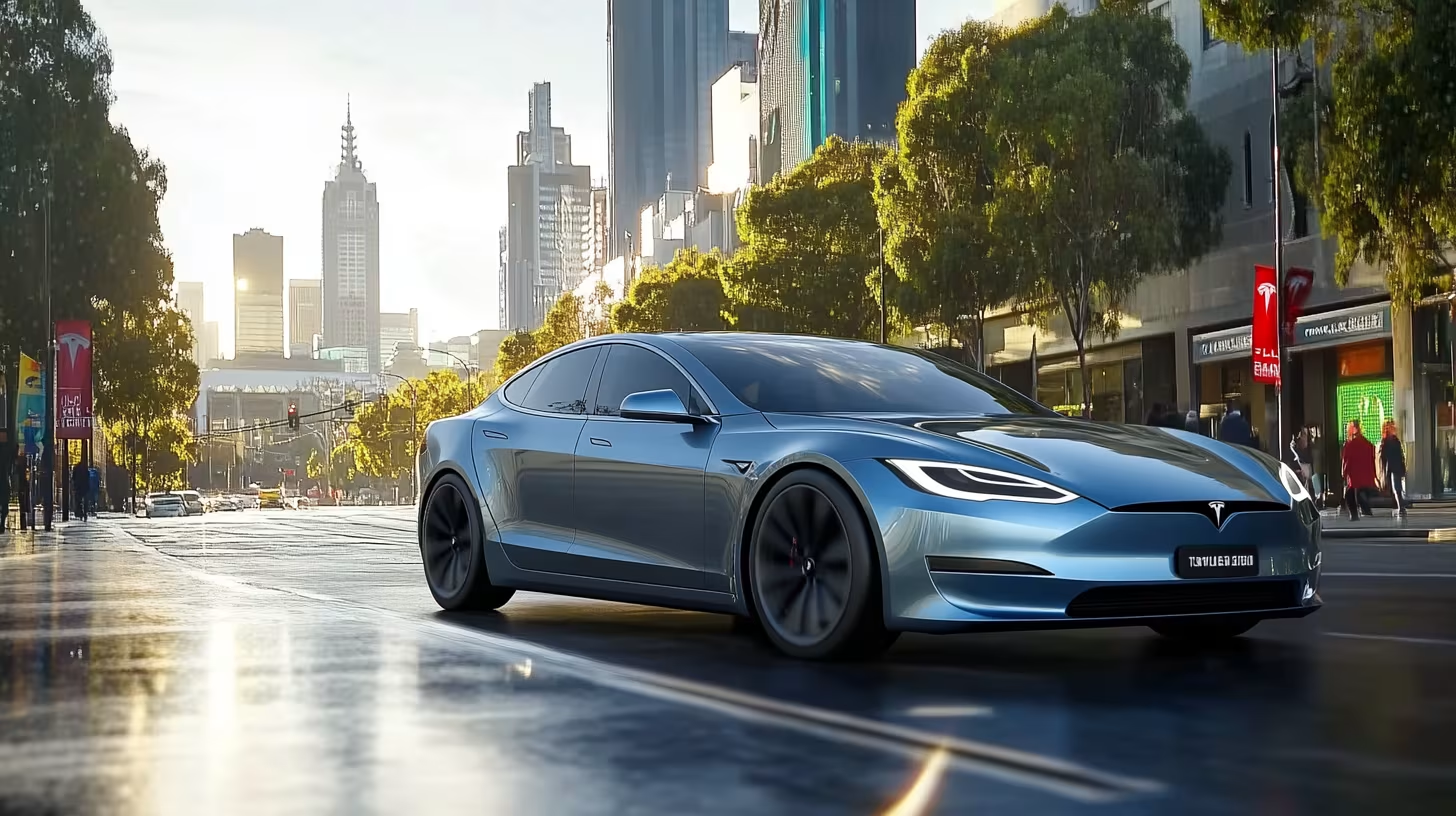
TESLA
Electric Vehicles
Tesla has reset the expectations for electric cars in Australia, blending record-breaking performance, futuristic design, and a tech-forward ownership experience across its range. From the supercar-slaying Model S Plaid and the family-friendly Model Y to the genre-busting Cybertruck, every Tesla shares a single-minded focus: fast charging, long range, and seamless over-the-air updates. Tesla’s intuitive infotainment, minimalist cabins, and premium connectivity are purpose-built for urban commutes and big miles alike, with the brand’s Supercharger network uniquely streamlining road trips for EV drivers.
Cutting-edge driver assistance and safety go hand-in-hand with acceleration once reserved for exotic petrols—Autopilot is standard, while Full Self-Driving and Summon are available for those ready for the next leap. Tesla’s patented battery technology and modular platforms enable up to 800 km range on a charge, DC fast-charging as quick as 250 kW, and efficiency that rivals or surpasses petrol at the pump. Each car features a 4-year/80,000 km warranty, with even more generous coverage for battery and drive units. For practical families, adventurers, and tech-lovers alike, Tesla’s zero-emission cars are more than a green statement—they’re a shortcut to the future of Australian driving.
TESLA Models
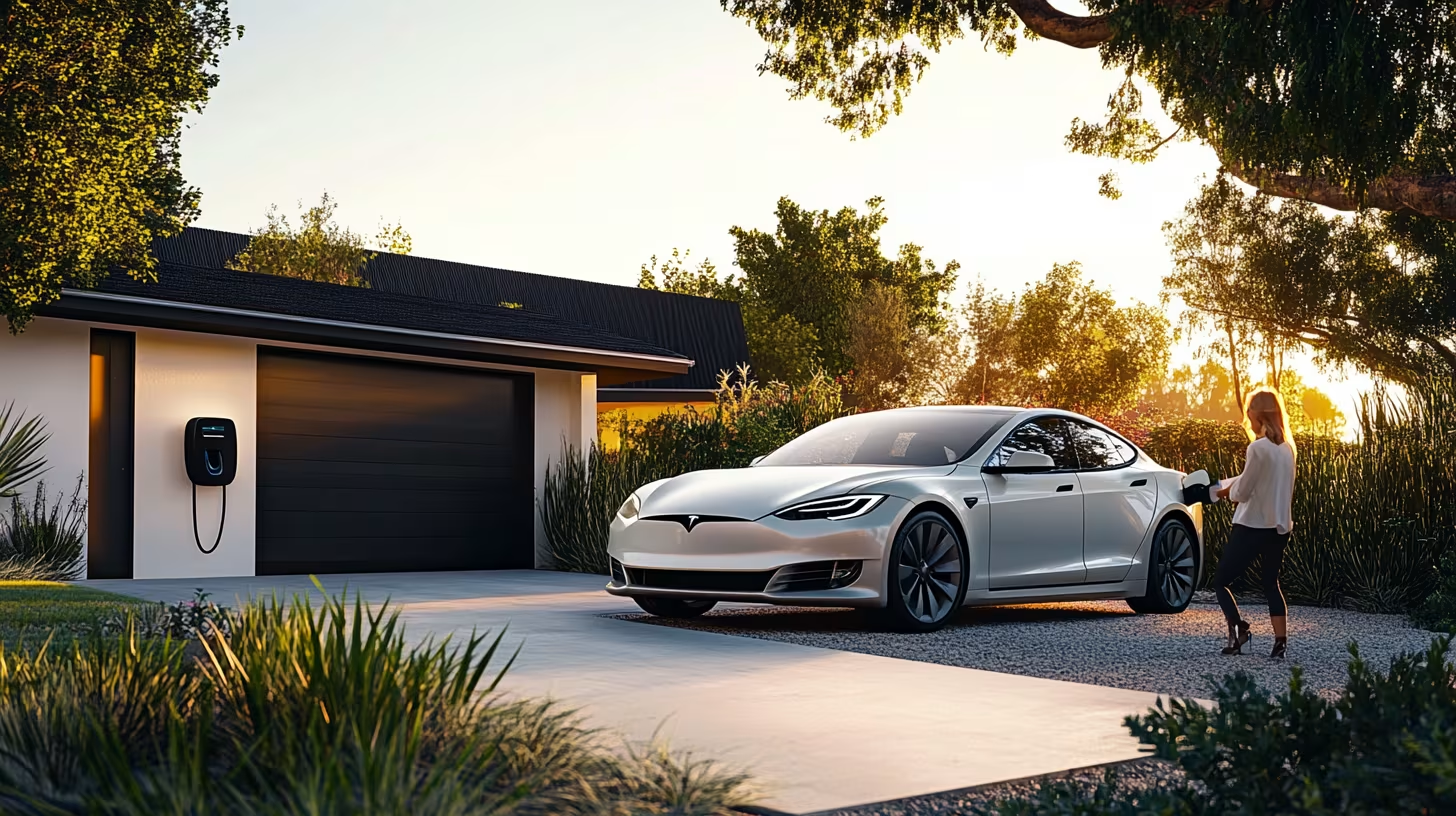
647 km range, 3.1s 0-100 km/h, 17" touchscreen, Autopilot
600 km range, 1.99s 0-100 km/h, 322 km/h top speed, Track Mode
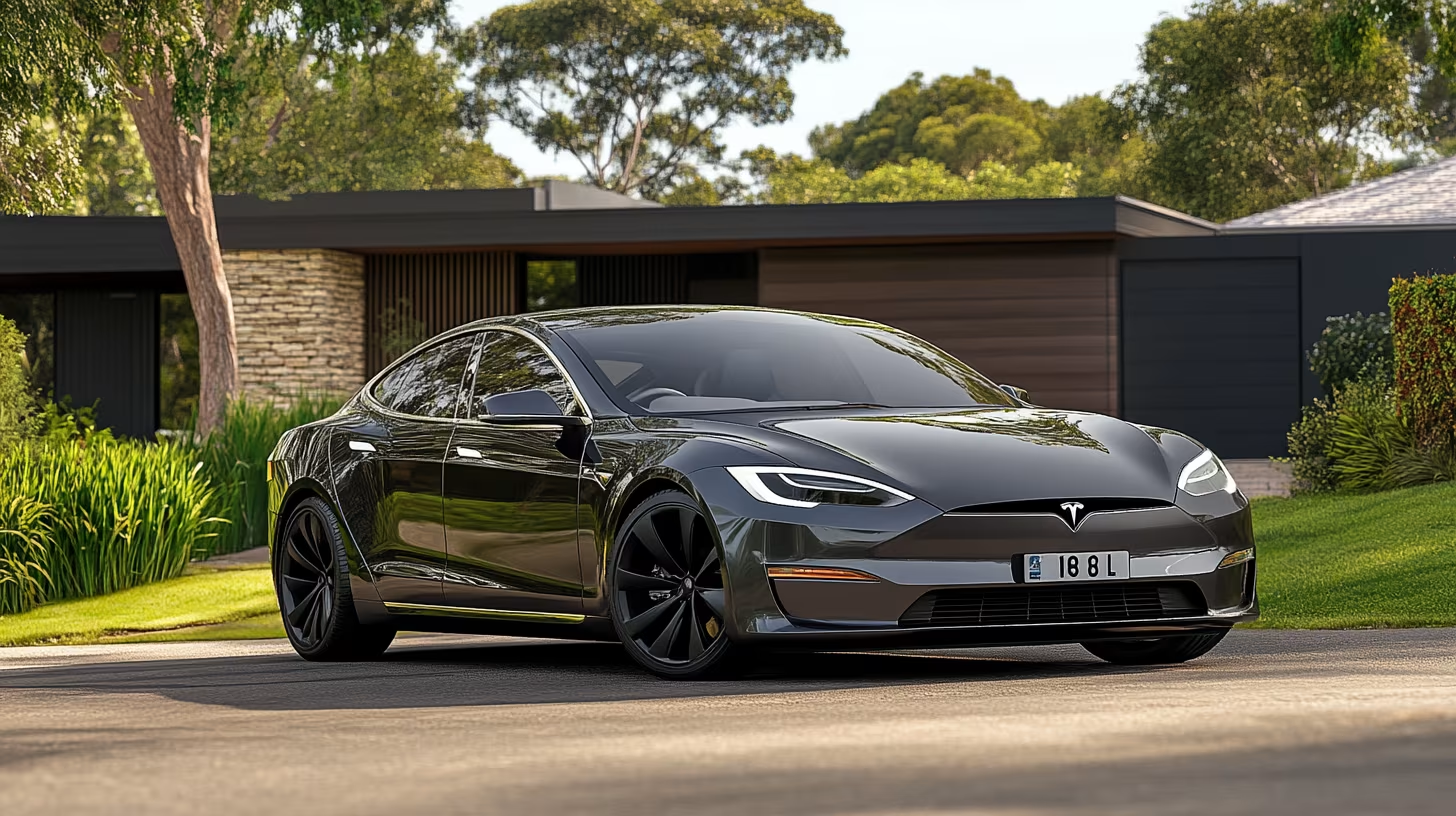
~610 km range, Ludicrous Mode, classic interior
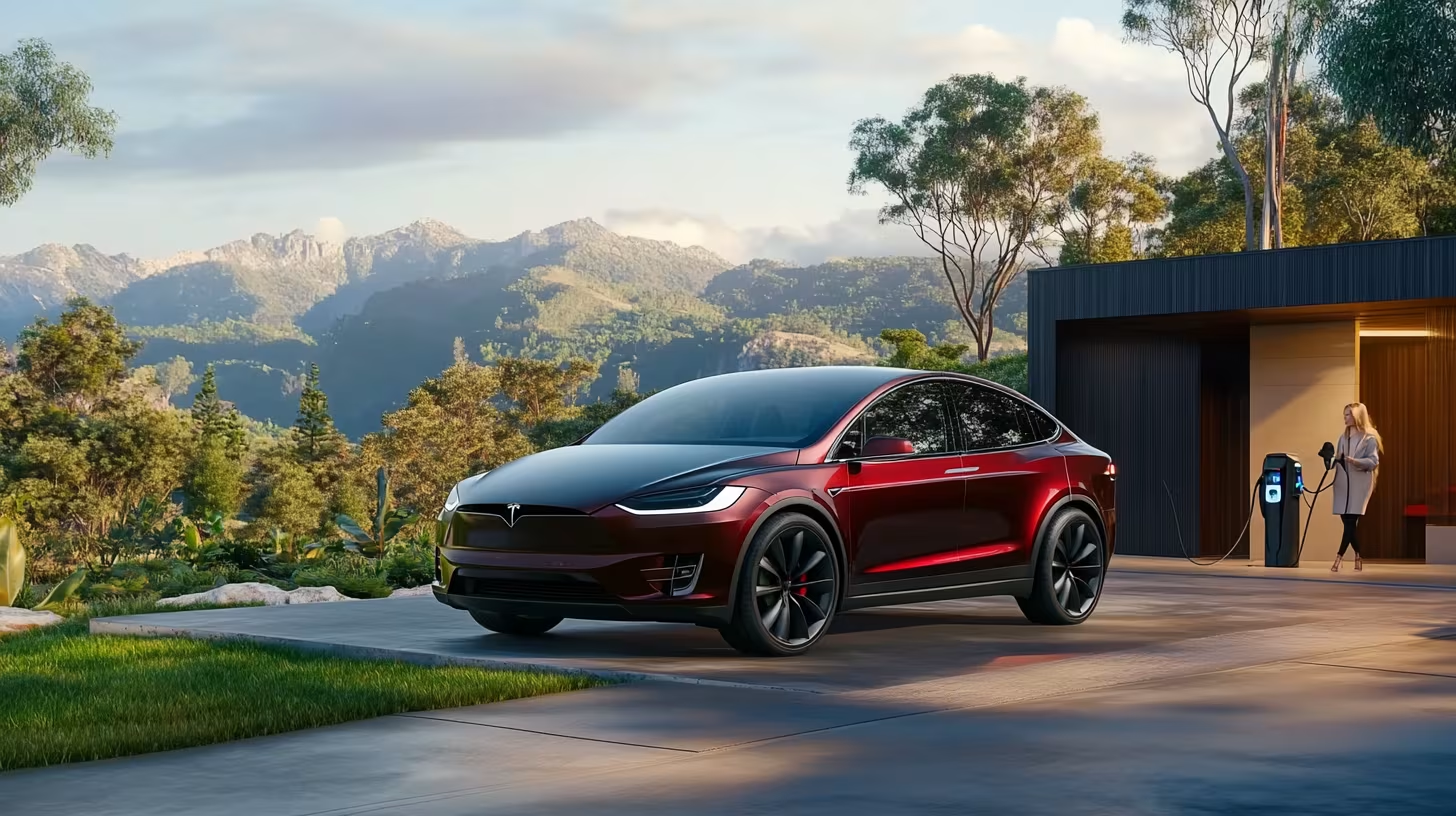
670 hp (500 kW) power output, 0–100 km/h in 3.9 seconds, Range: 580 km (NEDC), 17" touchscreen infotainment, Adaptive cruise control, Autopilot capabilities
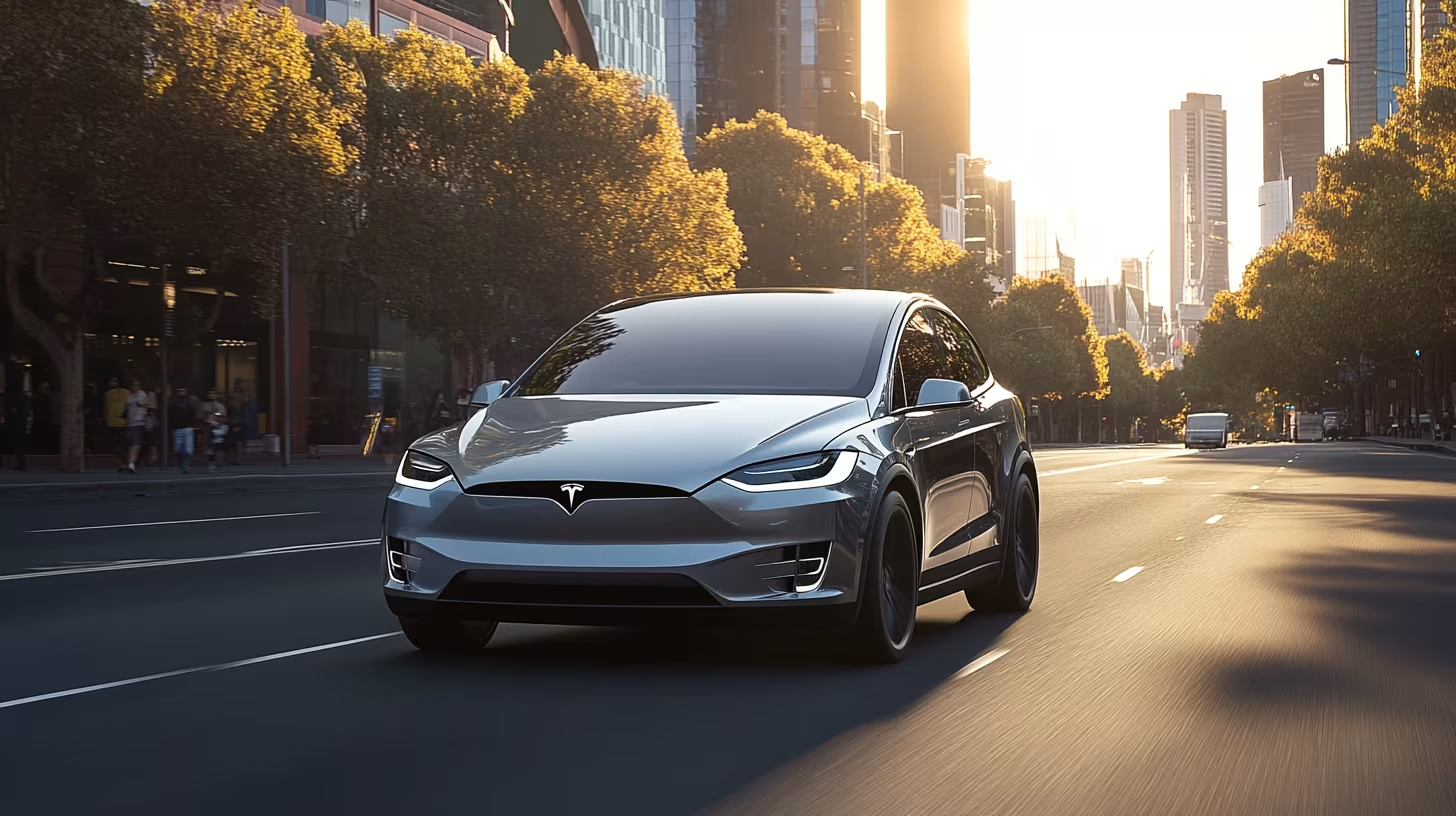
762 hp (568 kW) power output, 0–100 km/h in 2.8 seconds, Range: 547 km (NEDC), Ludicrous Mode, Enhanced interior features
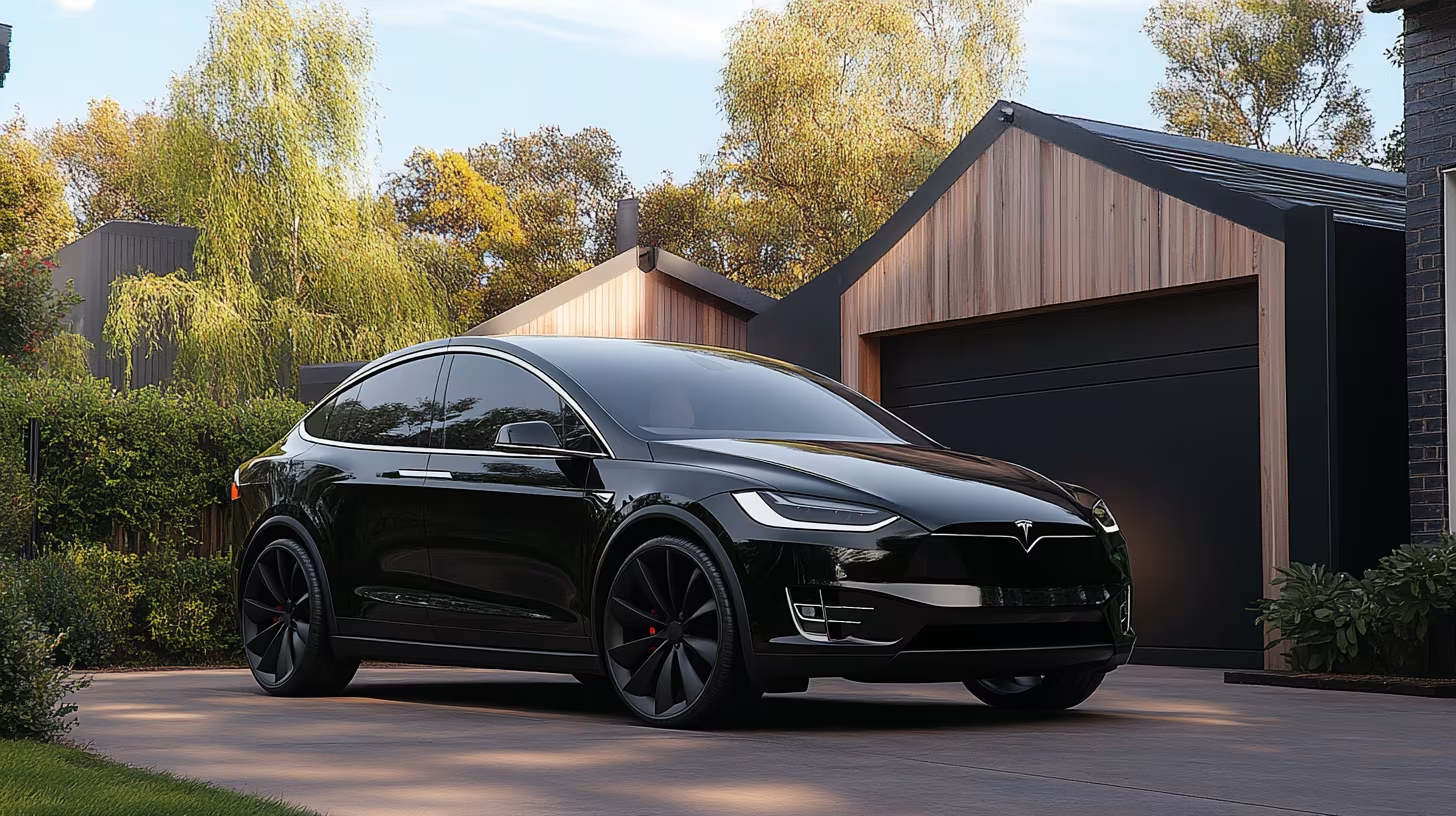
Extended range: 633 km (NEDC), 0–100 km/h in 4.6 seconds, Improved efficiency, Updated interior design
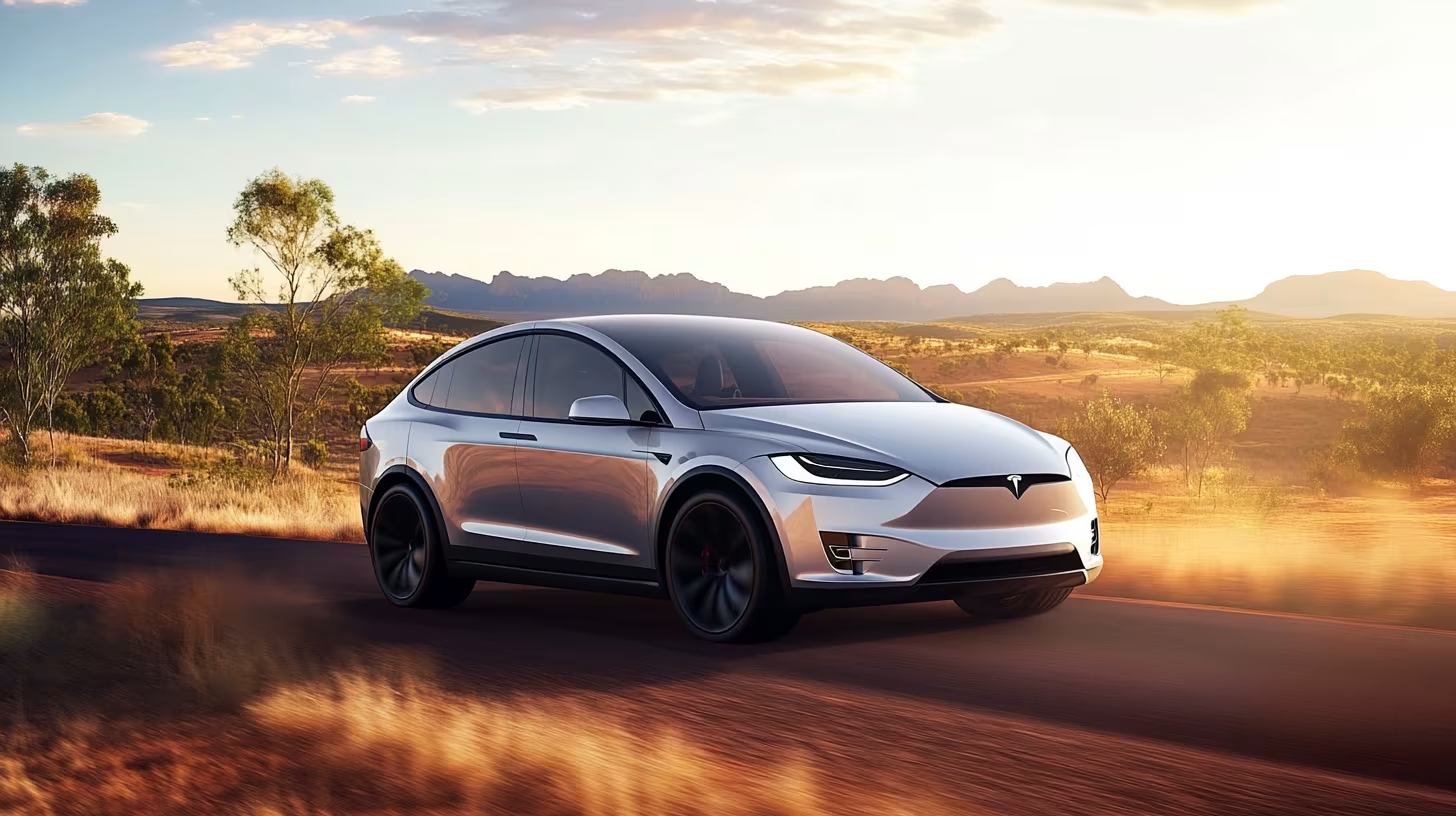
1,020 hp (760 kW) power output, 0–100 km/h in 2.6 seconds, Range: 547 km (NEDC), Yoke steering wheel, Advanced infotainment system
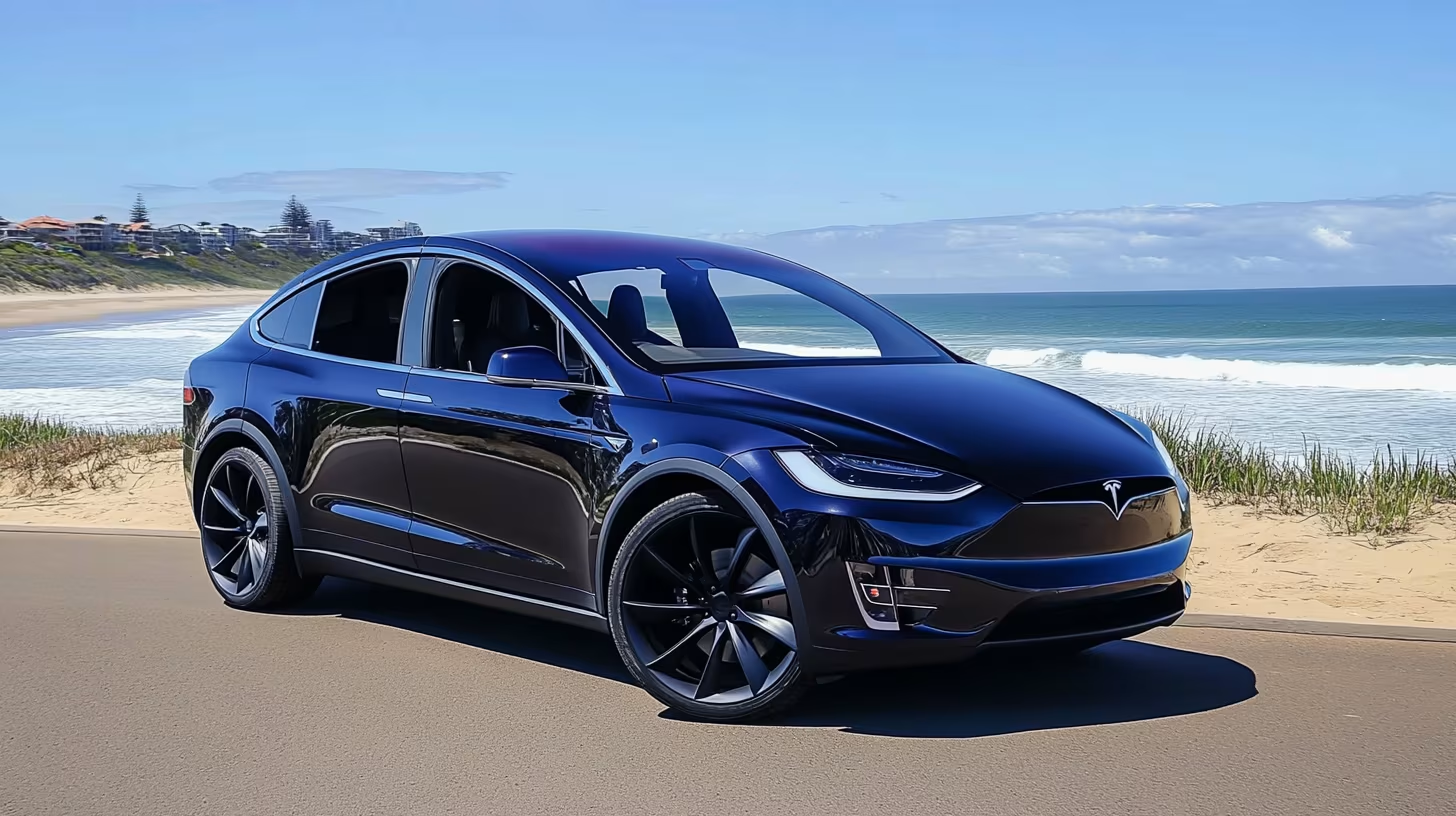
1,020 hp (760 kW) power output, 0–100 km/h in 2.5 seconds, Range: 536 km (EPA), Enhanced battery architecture, Updated interior features
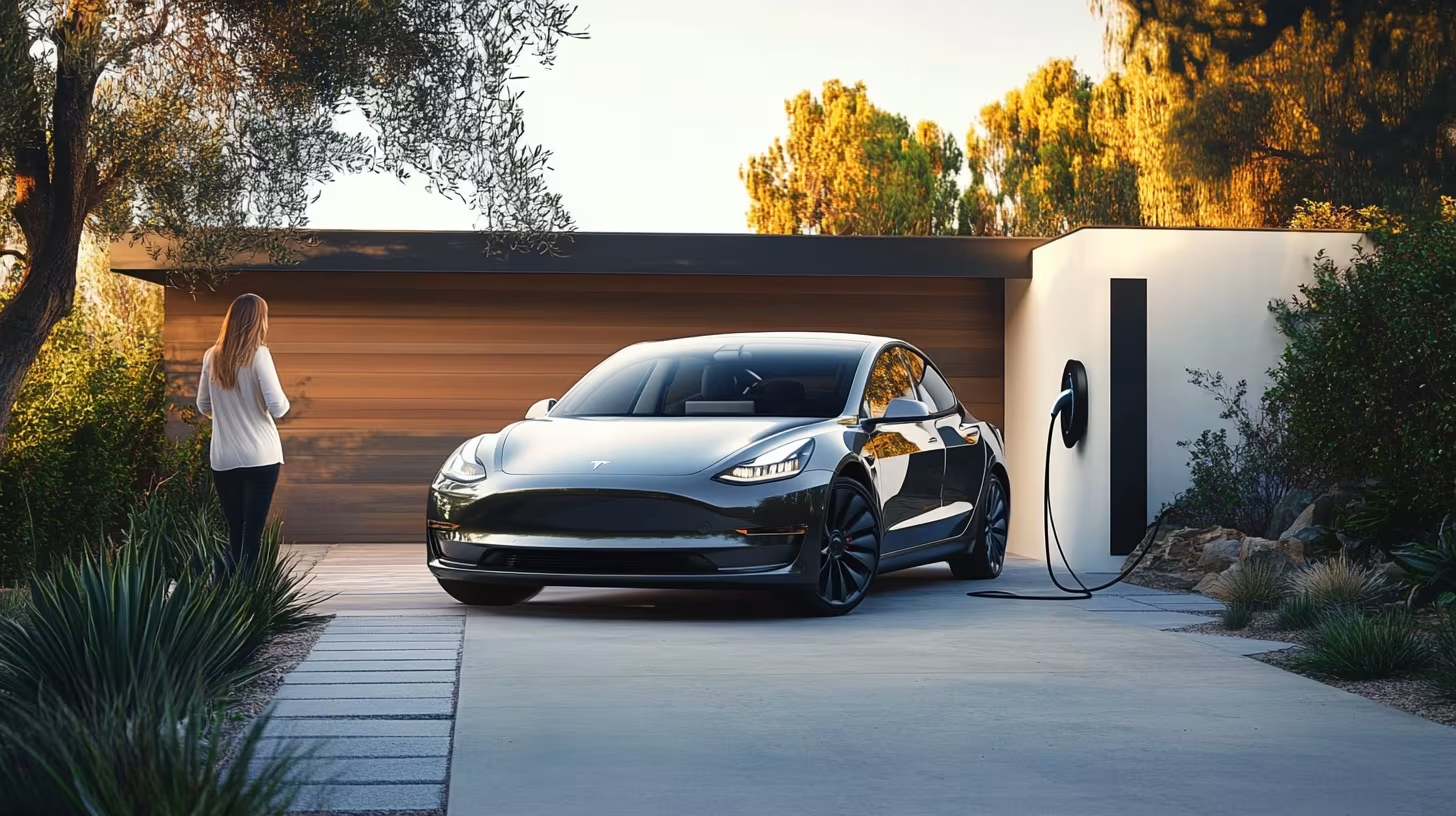
208 kW power output, 0–100 km/h in 6.1 seconds, Range: 513 km (WLTP), 15.4" central touchscreen, 8.0" rear touchscreen, Autopilot capabilities
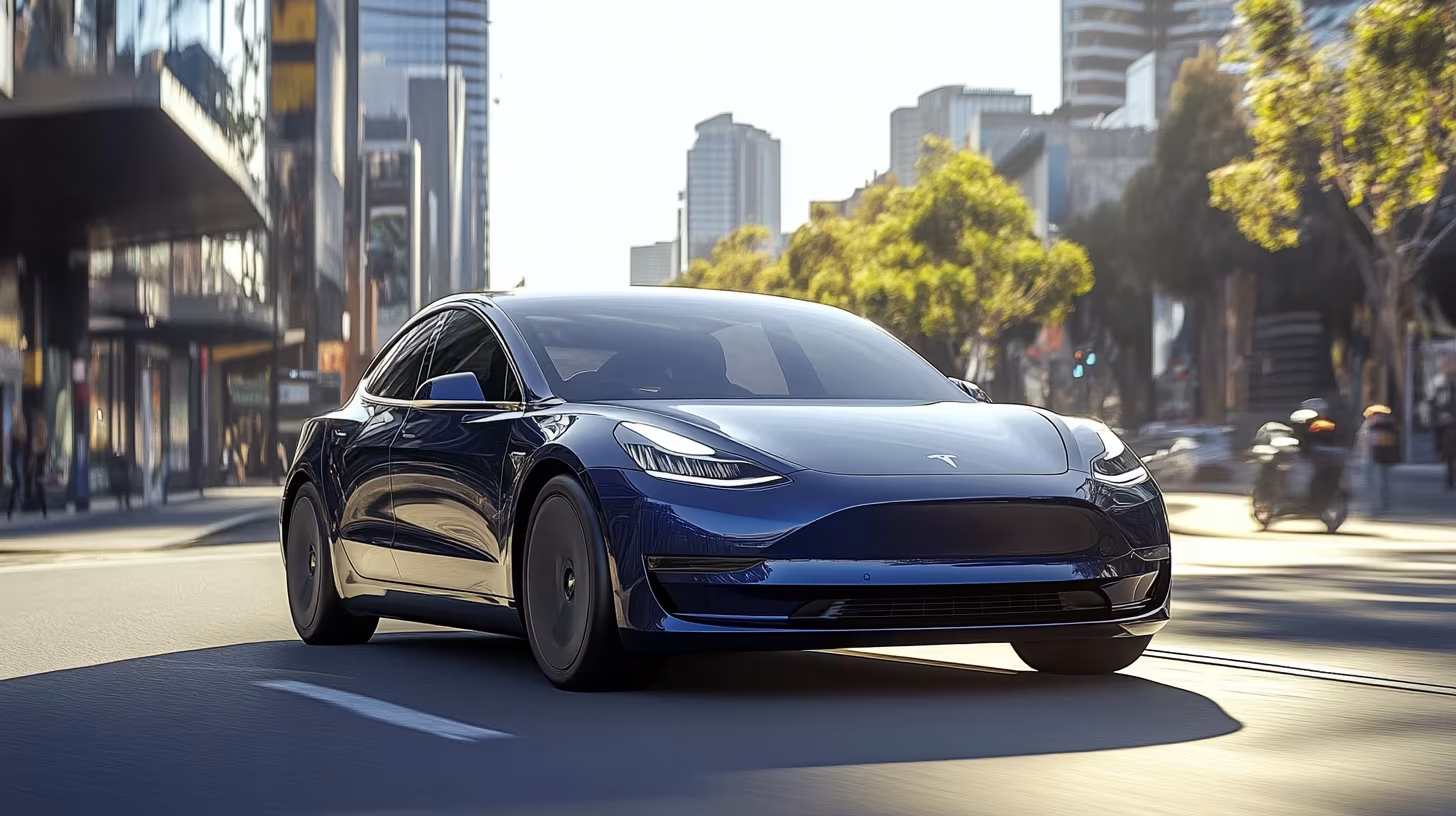
366 kW power output, 0–100 km/h in 4.4 seconds, Range: 629 km (WLTP), 17-speaker premium sound system, Heated front and rear seats
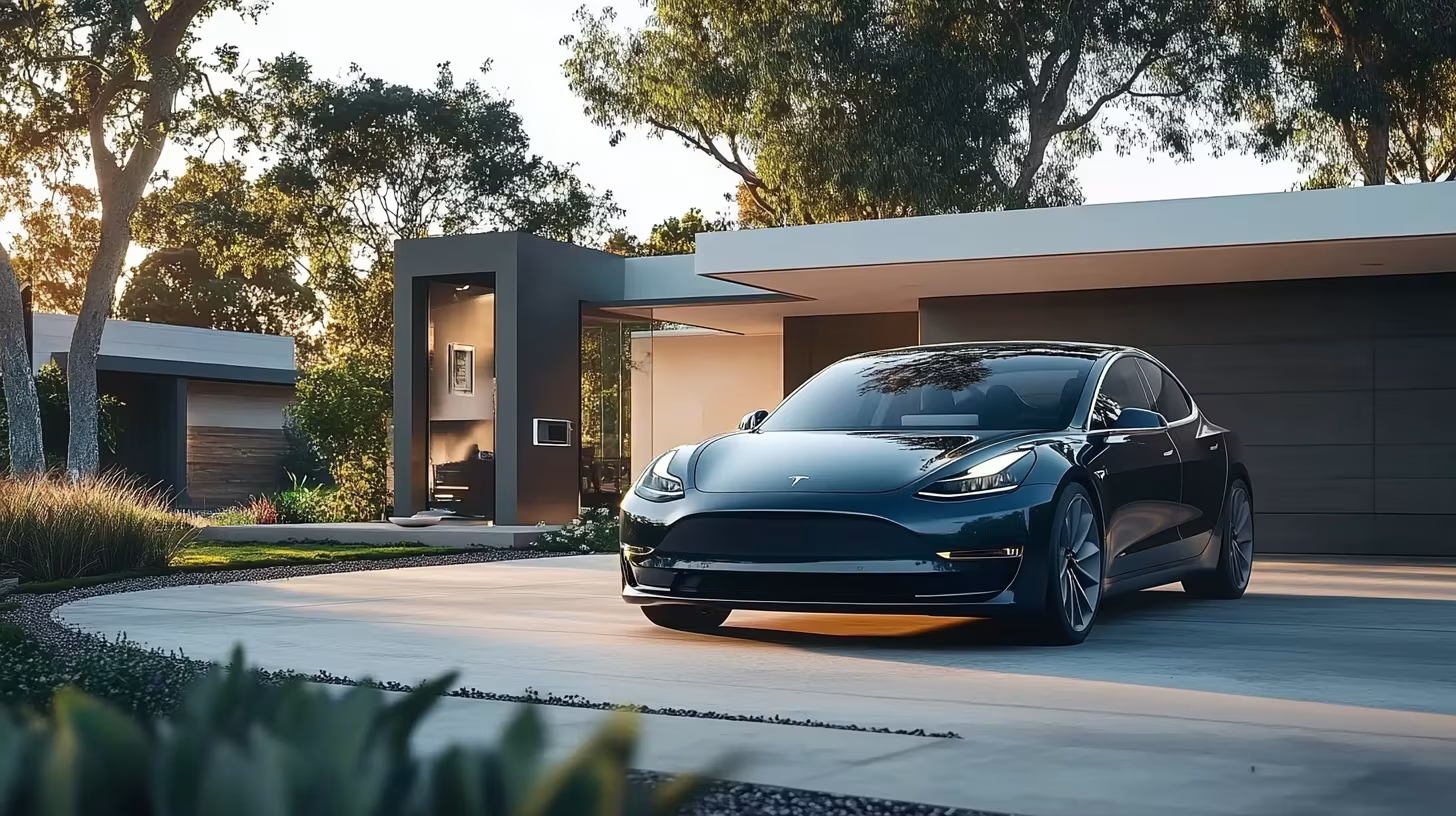
461 kW power output, 0–100 km/h in 3.1 seconds, Range: 528 km (WLTP), 20" performance wheels, Carbon fiber spoiler
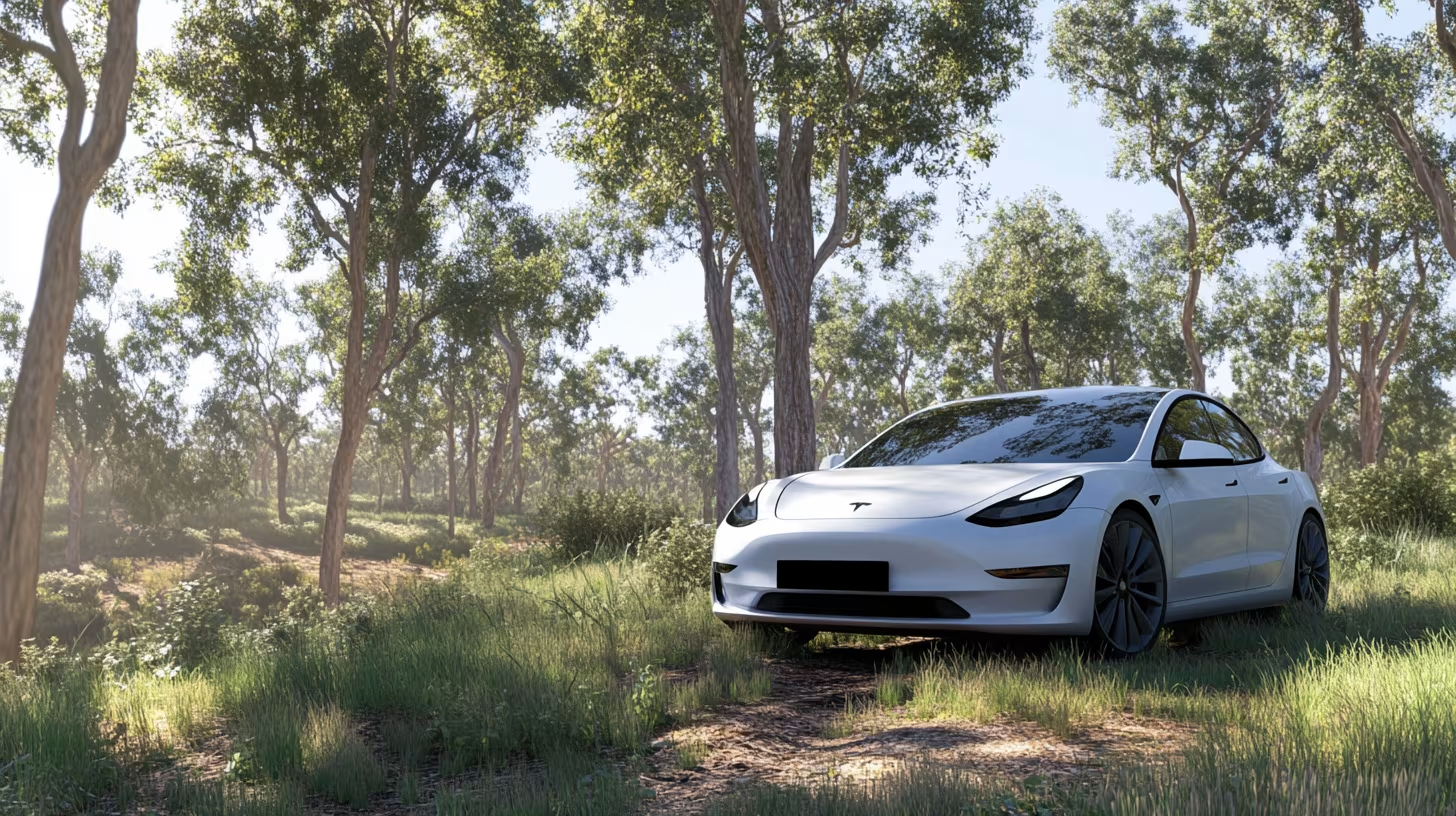
208 kW power output, 0–100 km/h in 6.1 seconds, Range: 513 km (WLTP), Updated interior and exterior design
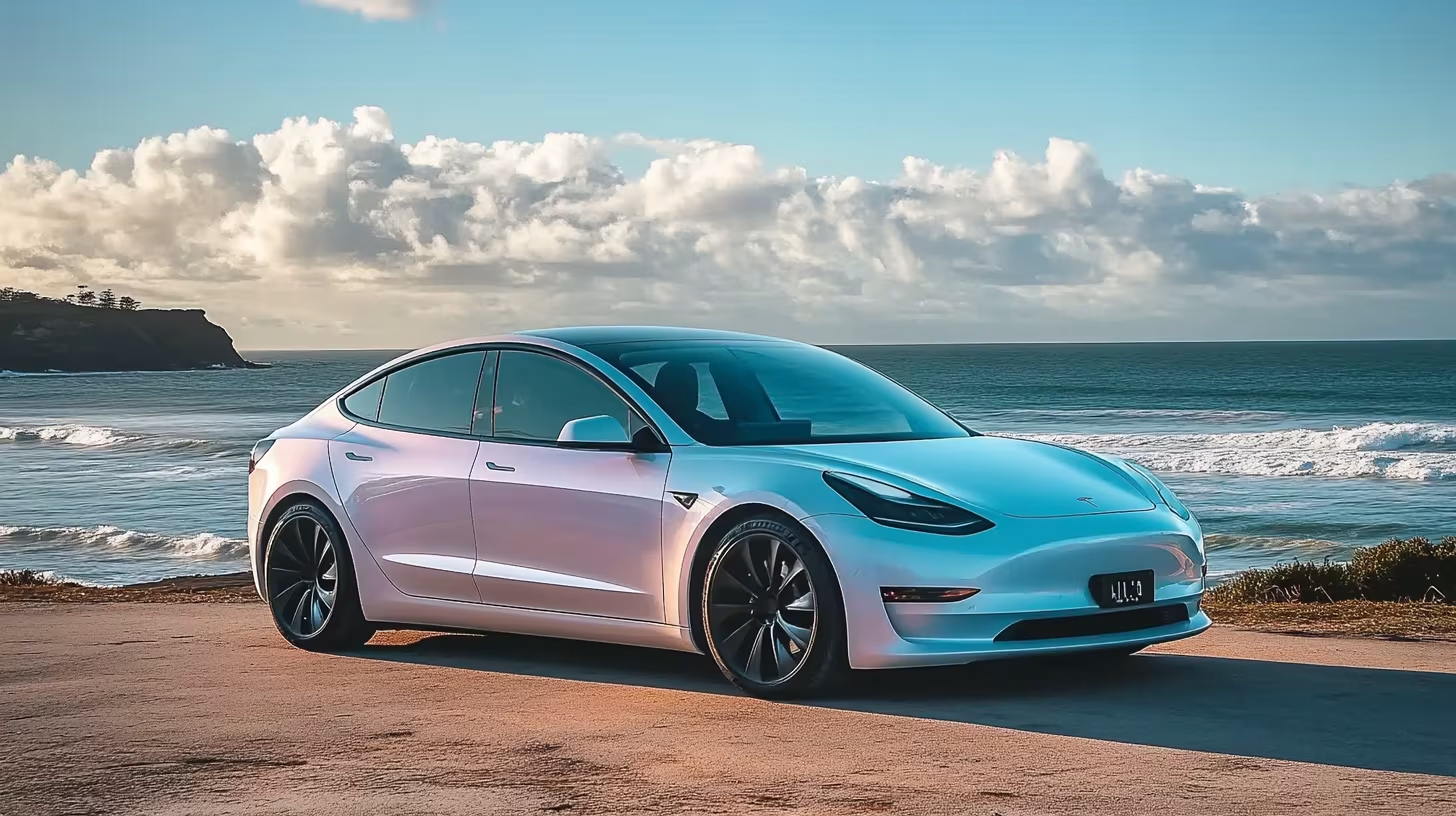
366 kW power output, 0–100 km/h in 4.4 seconds, Range: 629 km (WLTP), Enhanced battery efficiency
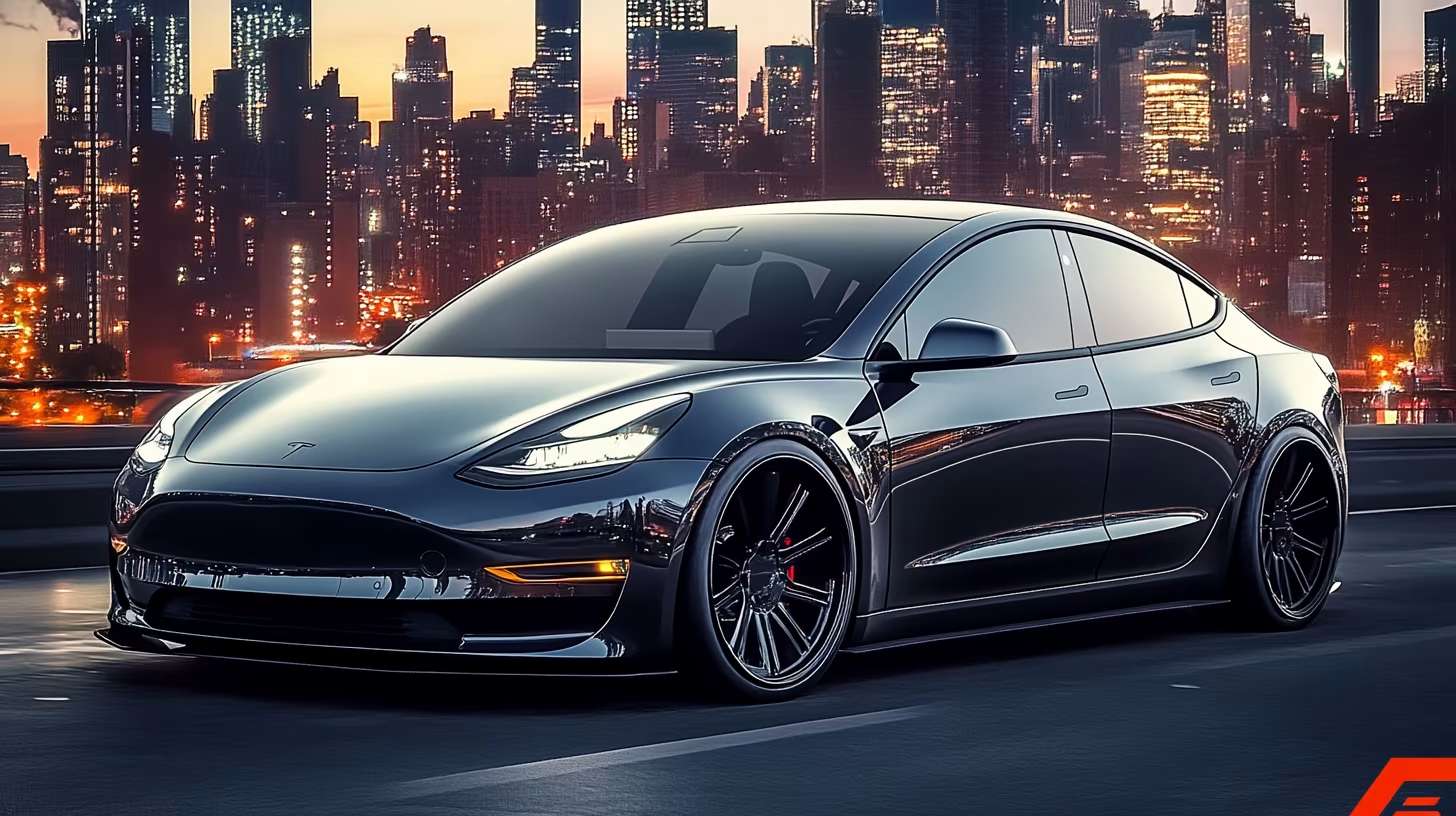
461 kW power output, 0–100 km/h in 3.1 seconds, Range: 528 km (WLTP), Sport-tuned suspension
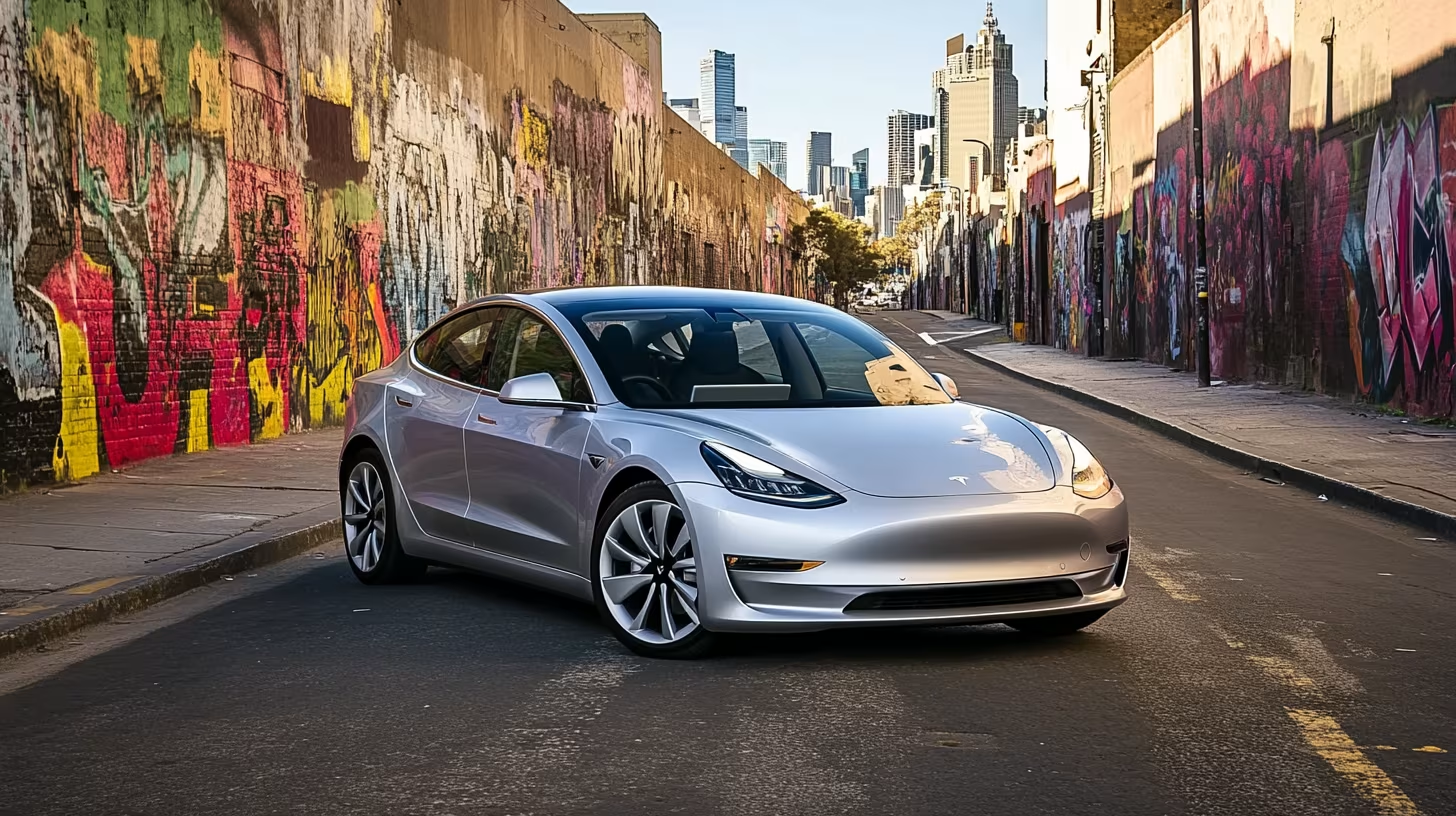
208 kW power output, 0–100 km/h in 6.1 seconds, Range: 491 km (WLTP), Minimalist interior design
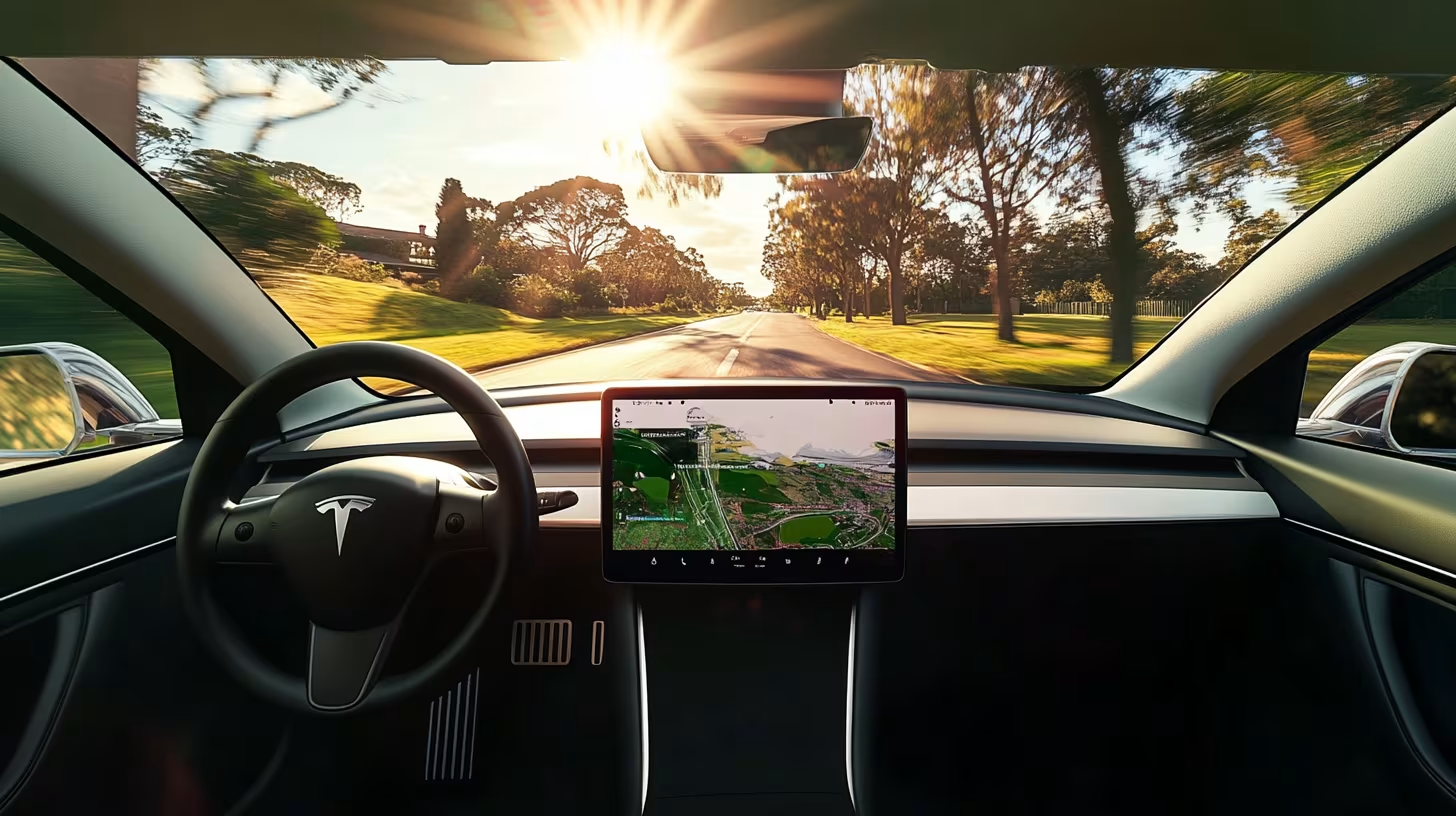
366 kW power output, 0–100 km/h in 4.4 seconds, Range: 602 km (WLTP), Enhanced Autopilot features
377 kW power output, 0–100 km/h in 3.3 seconds, Range: 547 km (WLTP), Track Mode V2
225 kW power output, 0–100 km/h in 5.6 seconds, Range: 491 km (WLTP), Partial Premium Interior
346 kW power output, 0–100 km/h in 4.4 seconds, Range: 602 km (WLTP), Full Premium Interior
377 kW power output, 0–100 km/h in 3.3 seconds, Range: 547 km (WLTP), Performance Upgrade Package
225 kW power output, 0–100 km/h in 5.6 seconds, Range: 491 km (WLTP), Partial Premium Interior
346 kW power output, 0–100 km/h in 4.4 seconds, Range: 602 km (WLTP), Full Premium Interior
377 kW power output, 0–100 km/h in 3.3 seconds, Range: 547 km (WLTP), Performance Upgrade Package
225 kW power output, 0–100 km/h in 5.6 seconds, Range: 491 km (WLTP), Partial Premium Interior
346 kW power output, 0–100 km/h in 4.4 seconds, Range: 602 km (WLTP), Full Premium Interior
377 kW power output, 0–100 km/h in 3.3 seconds, Range: 547 km (WLTP)
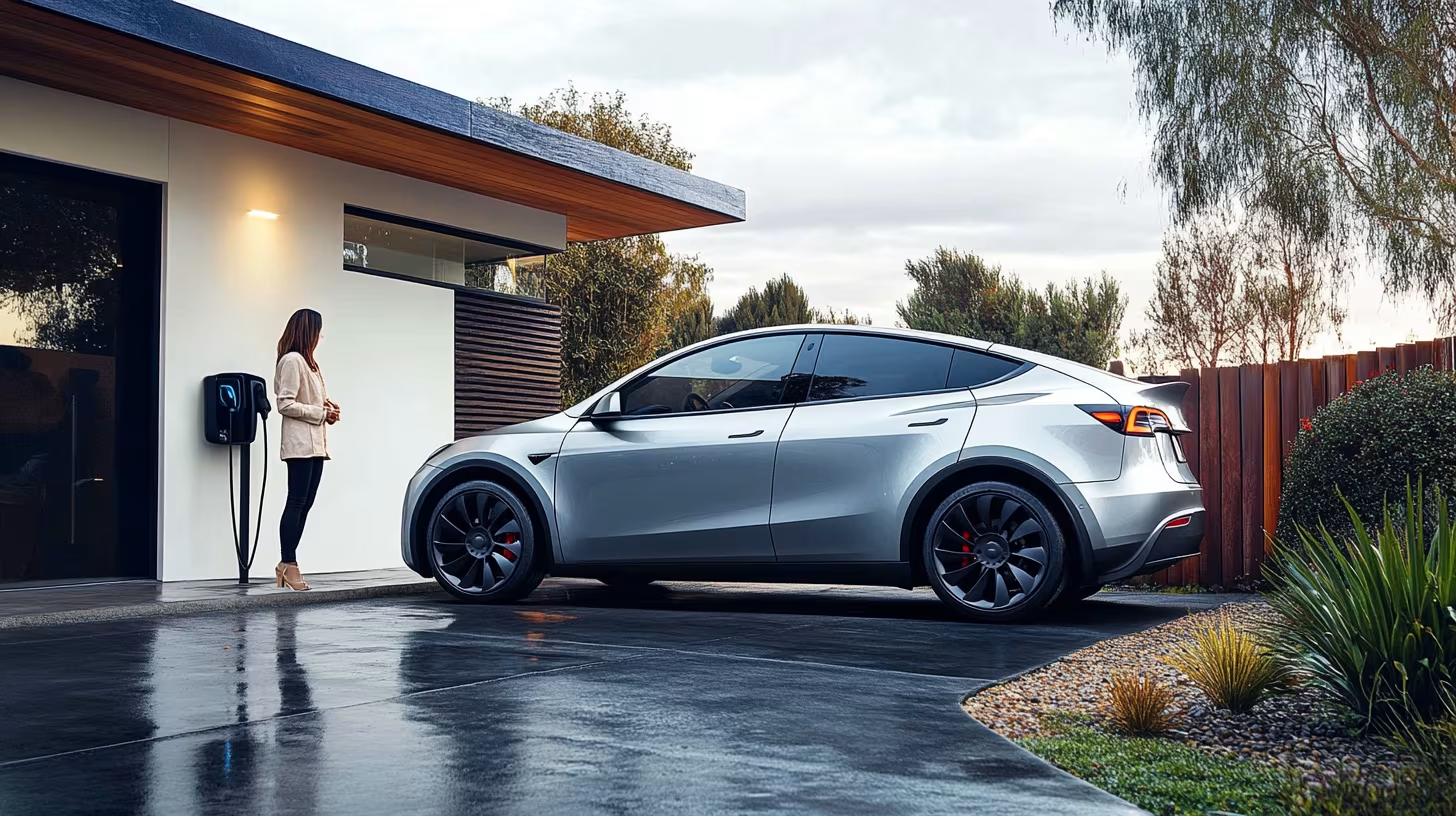
220 kW power output, 0–100 km/h in 6.9 seconds, Range: 455 km (WLTP), 15-inch central touchscreen, Autopilot capabilities
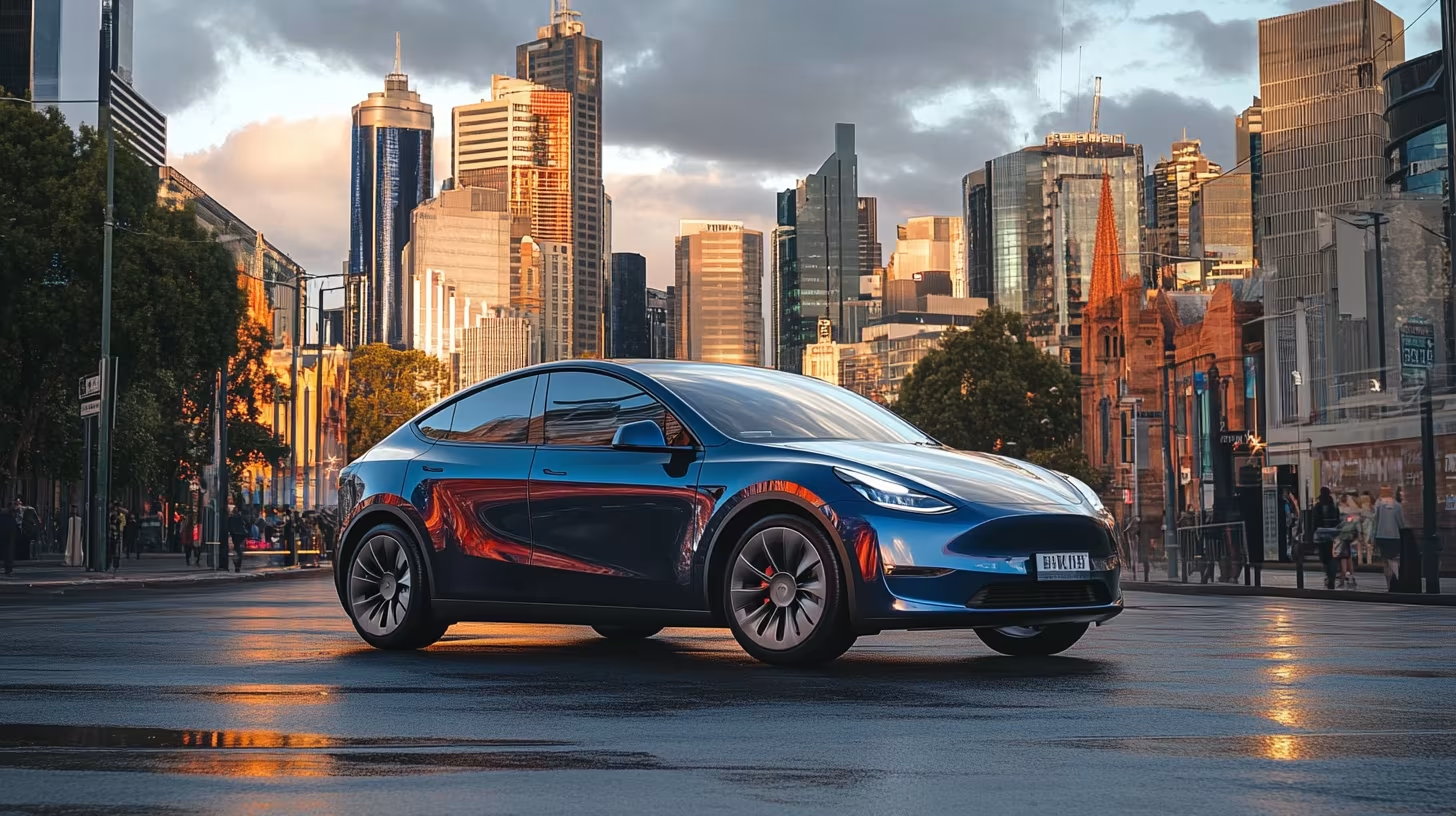
366 kW power output, 0–100 km/h in 5.0 seconds, Range: 551 km (WLTP), 14-speaker premium sound system, Heated front and rear seats
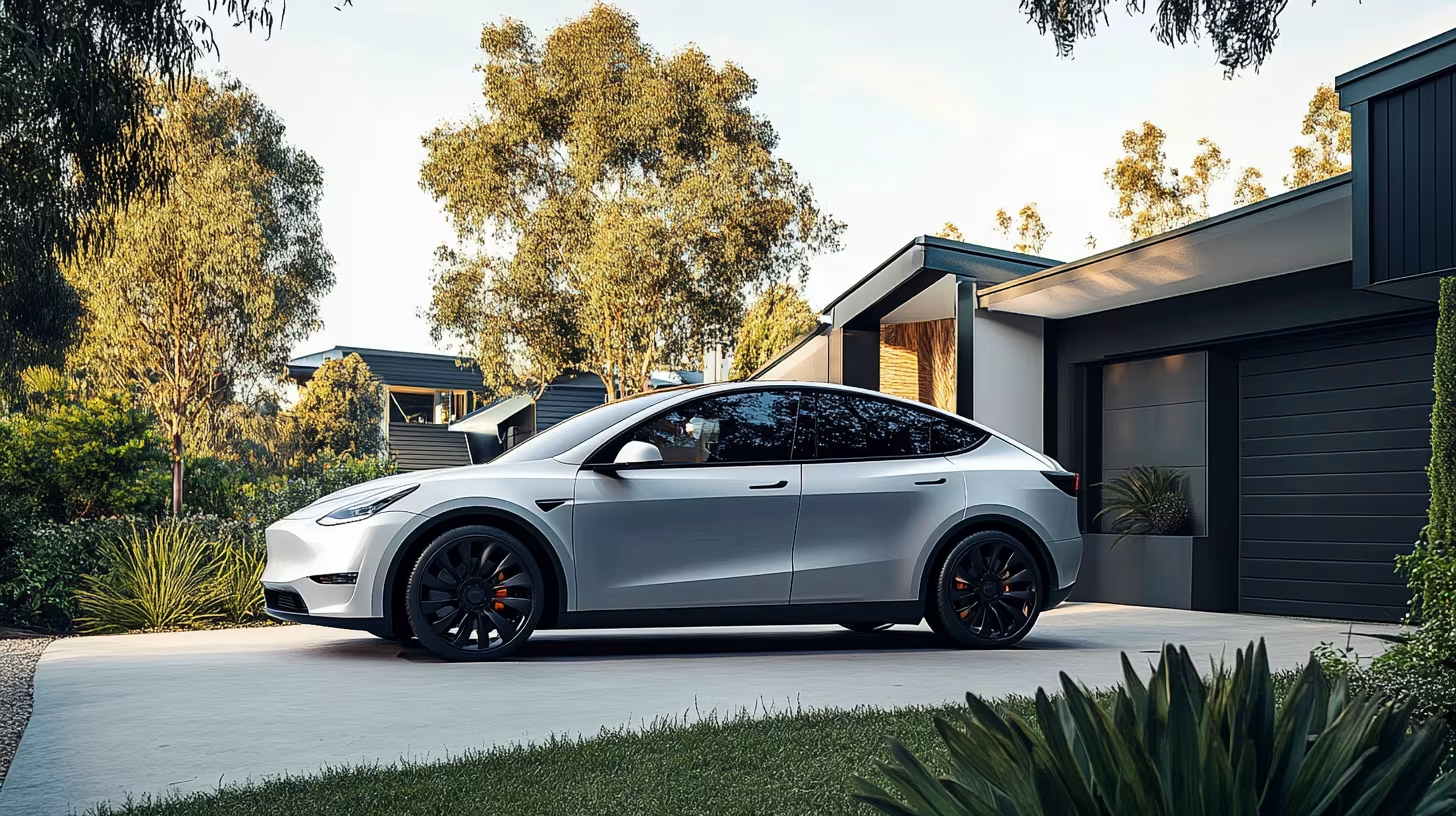
393 kW power output, 0–100 km/h in 3.7 seconds, Range: 514 km (WLTP), 21-inch performance wheels, Carbon fiber spoiler
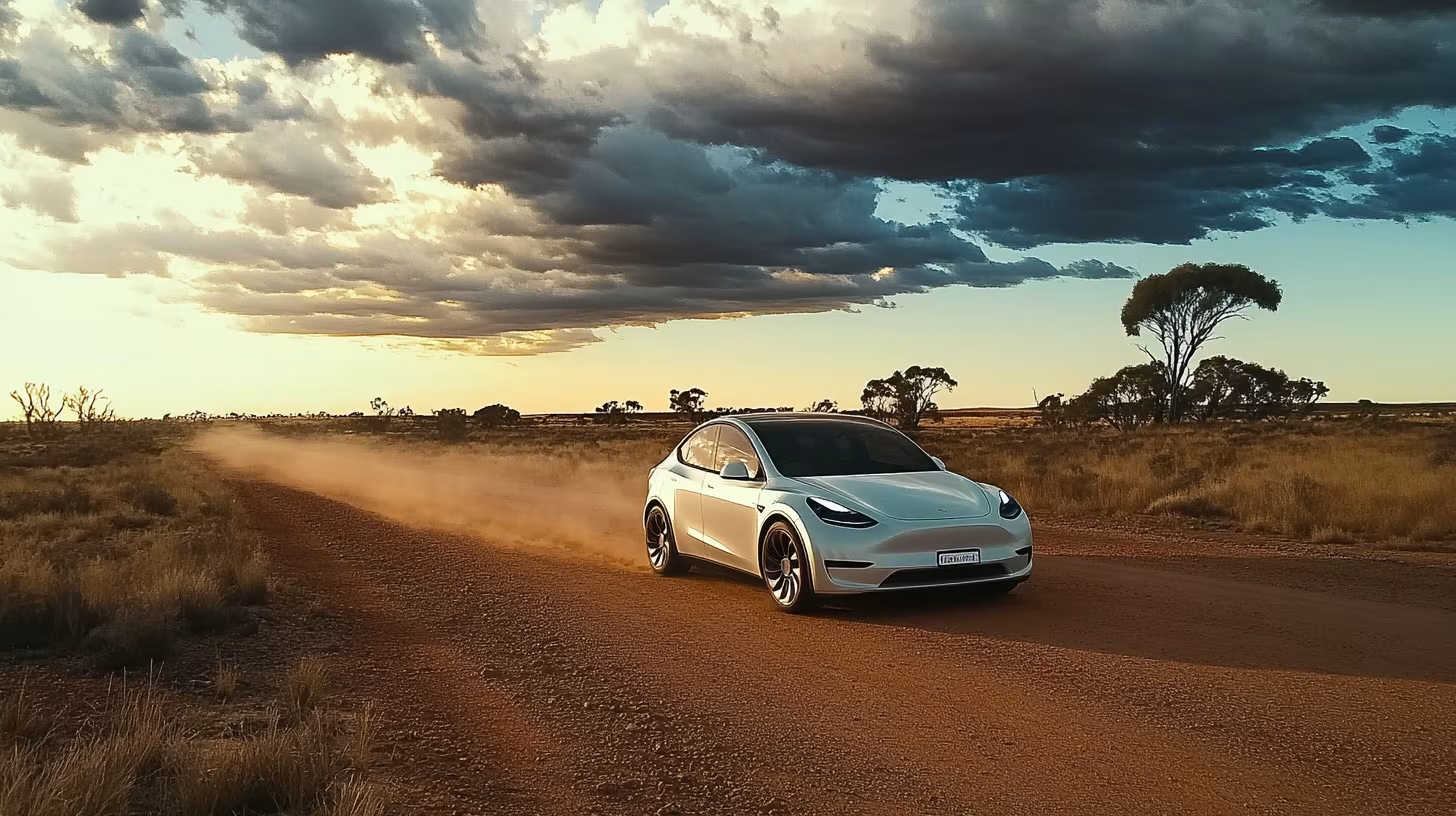
220 kW power output, 0–100 km/h in 6.9 seconds, Range: 455 km (WLTP), Updated interior and exterior design
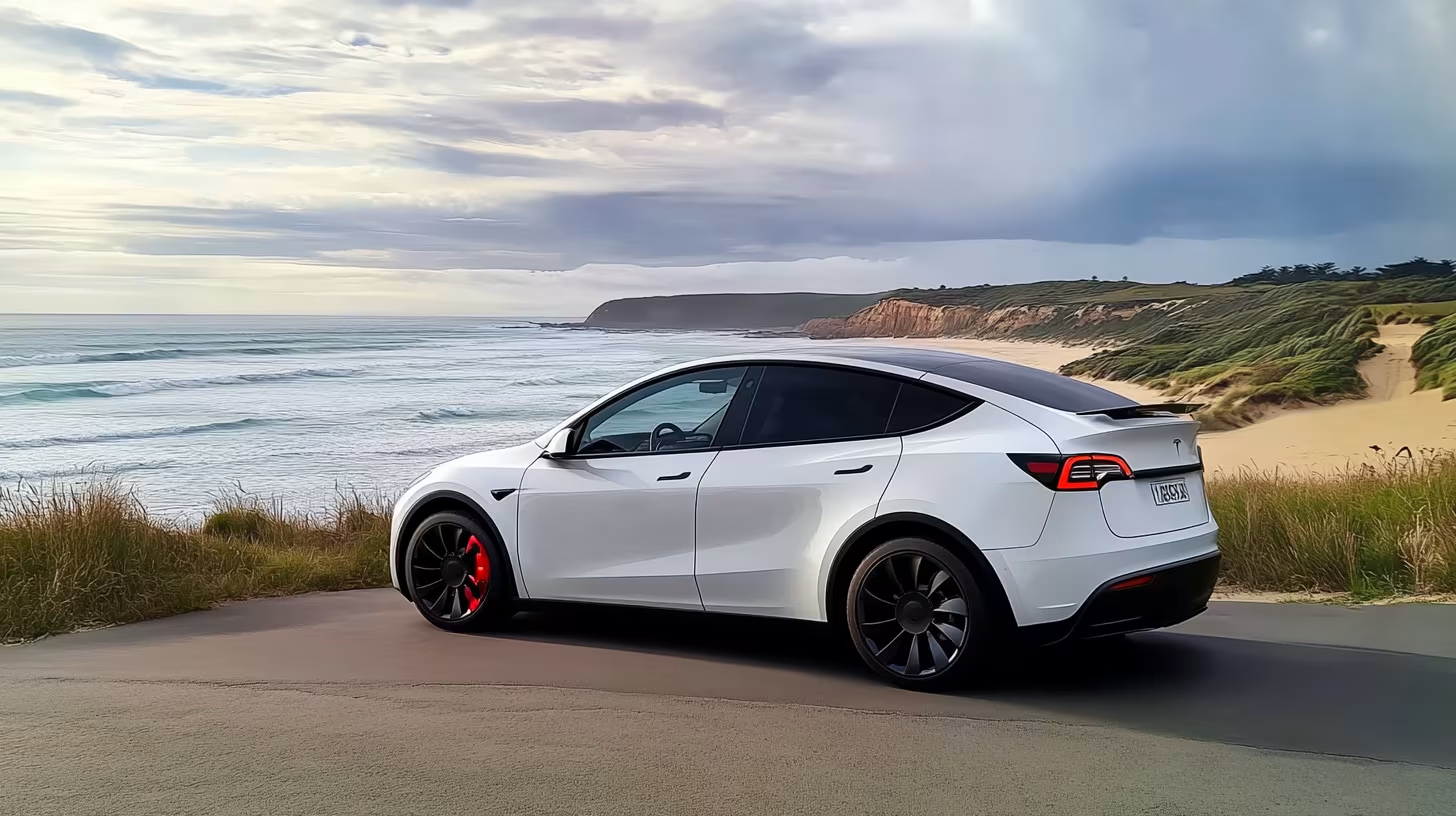
366 kW power output, 0–100 km/h in 5.0 seconds, Range: 551 km (WLTP), Enhanced battery efficiency
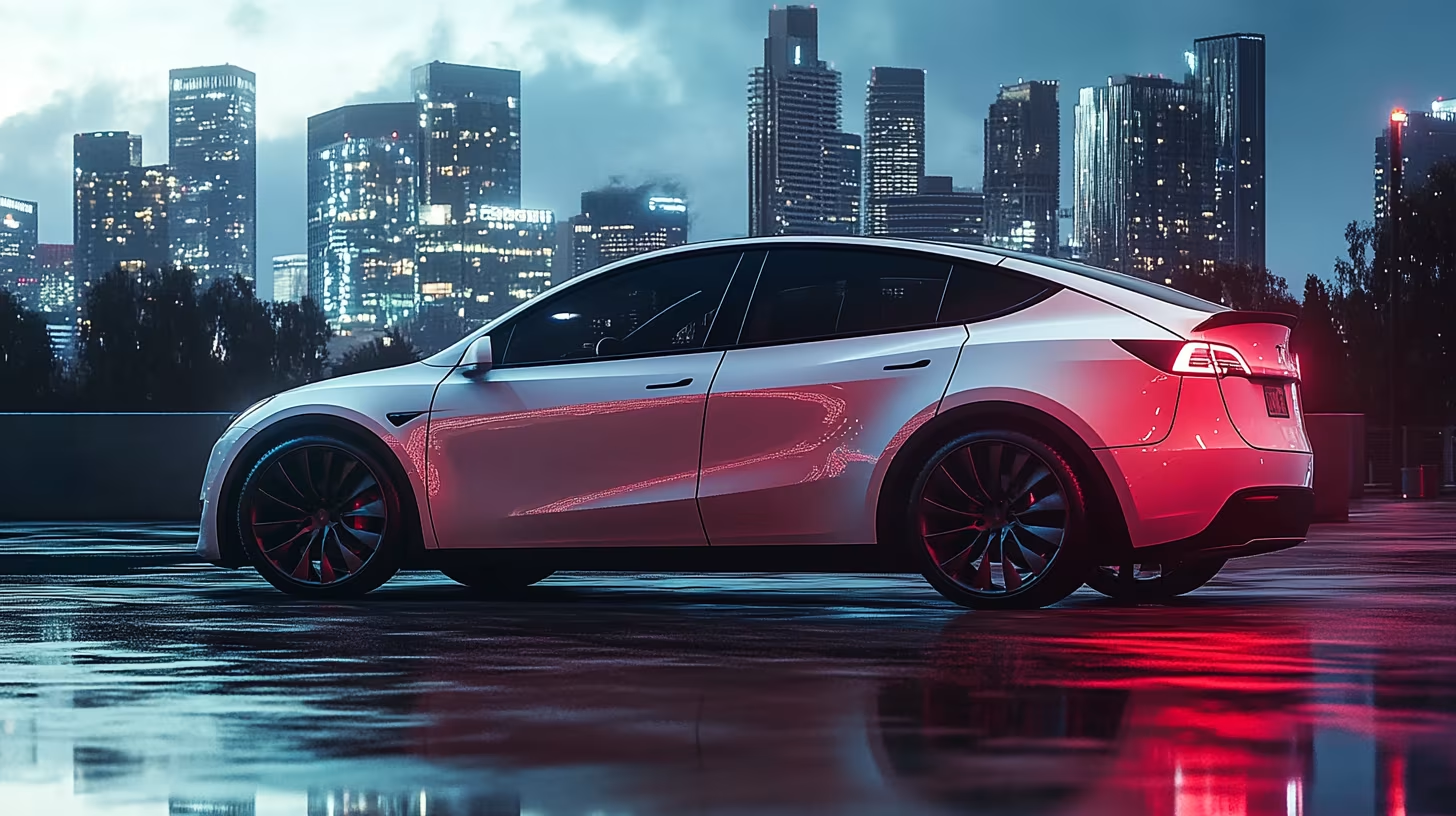
393 kW power output, 0–100 km/h in 3.7 seconds, Range: 514 km (WLTP), Sport-tuned suspension

220 kW power output, 0–100 km/h in 6.9 seconds, Range: 455 km (WLTP), Minimalist interior design
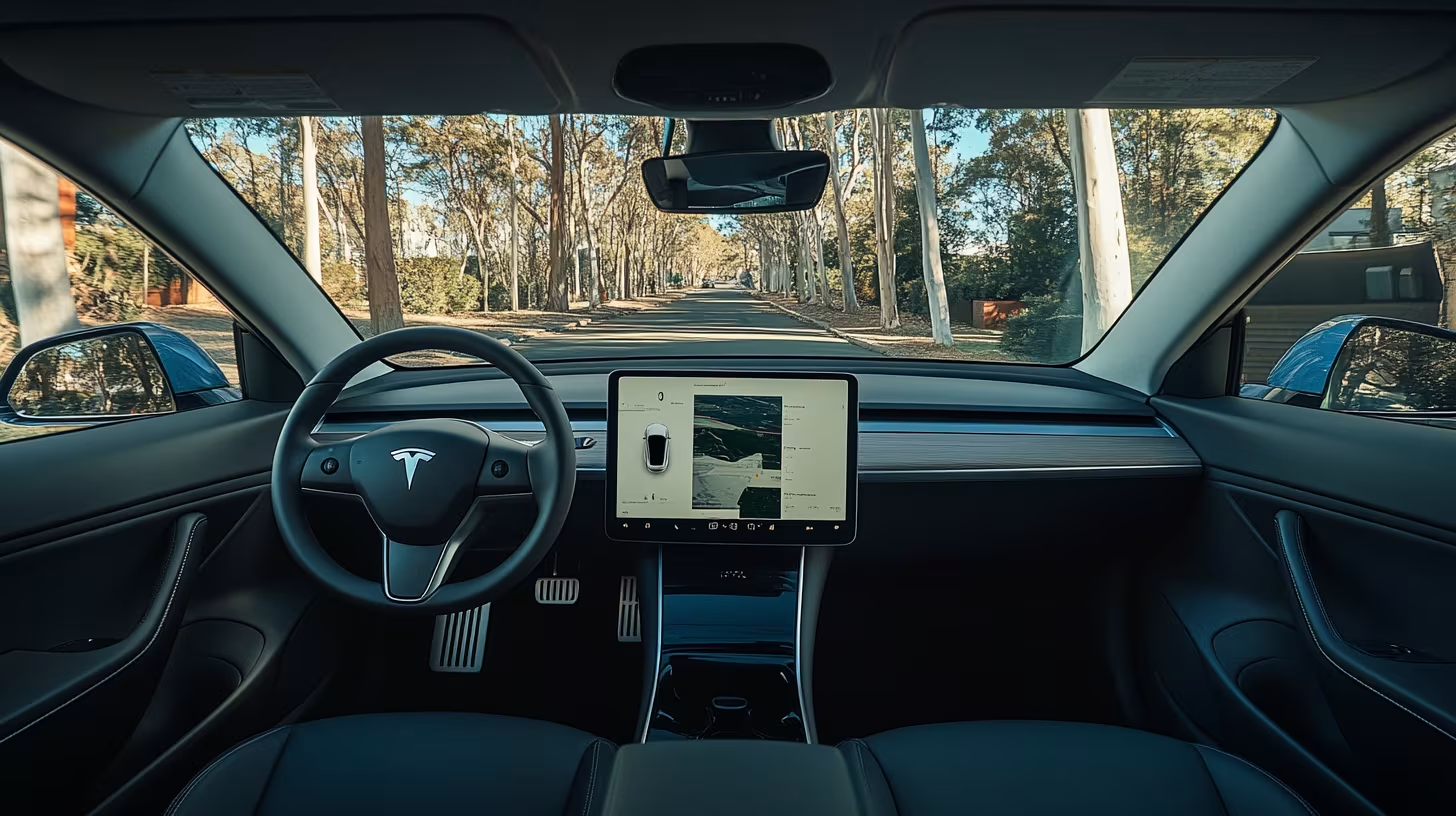
366 kW power output, 0–100 km/h in 5.0 seconds, Range: 533 km (WLTP), Enhanced Autopilot features
393 kW power output, 0–100 km/h in 3.7 seconds, Range: 514 km (WLTP), Track Mode V2
225 kW power output, 0–100 km/h in 5.6 seconds, Range: 455 km (WLTP), Partial Premium Interior
346 kW power output, 0–100 km/h in 4.4 seconds, Range: 533 km (WLTP), Full Premium Interior
377 kW power output, 0–100 km/h in 3.3 seconds, Range: 514 km (WLTP), Performance Upgrade Package
225 kW power output, 0–100 km/h in 5.6 seconds, Range: 455 km (WLTP), Partial Premium Interior
346 kW power output, 0–100 km/h in 4.4 seconds, Range: 533 km (WLTP), Full Premium Interior
377 kW power output, 0–100 km/h in 3.3 seconds, Range: 514 km (WLTP), Performance Upgrade Package
225 kW power output, 0–100 km/h in 5.6 seconds, Range: 455 km (WLTP), Partial Premium Interior
346 kW power output, 0–100 km/h in 4.4 seconds, Range: 533 km (WLTP), Full Premium Interior
377 kW power output, 0–100 km/h in 3.3 seconds, Range: 514 km (WLTP), Performance Upgrade Package
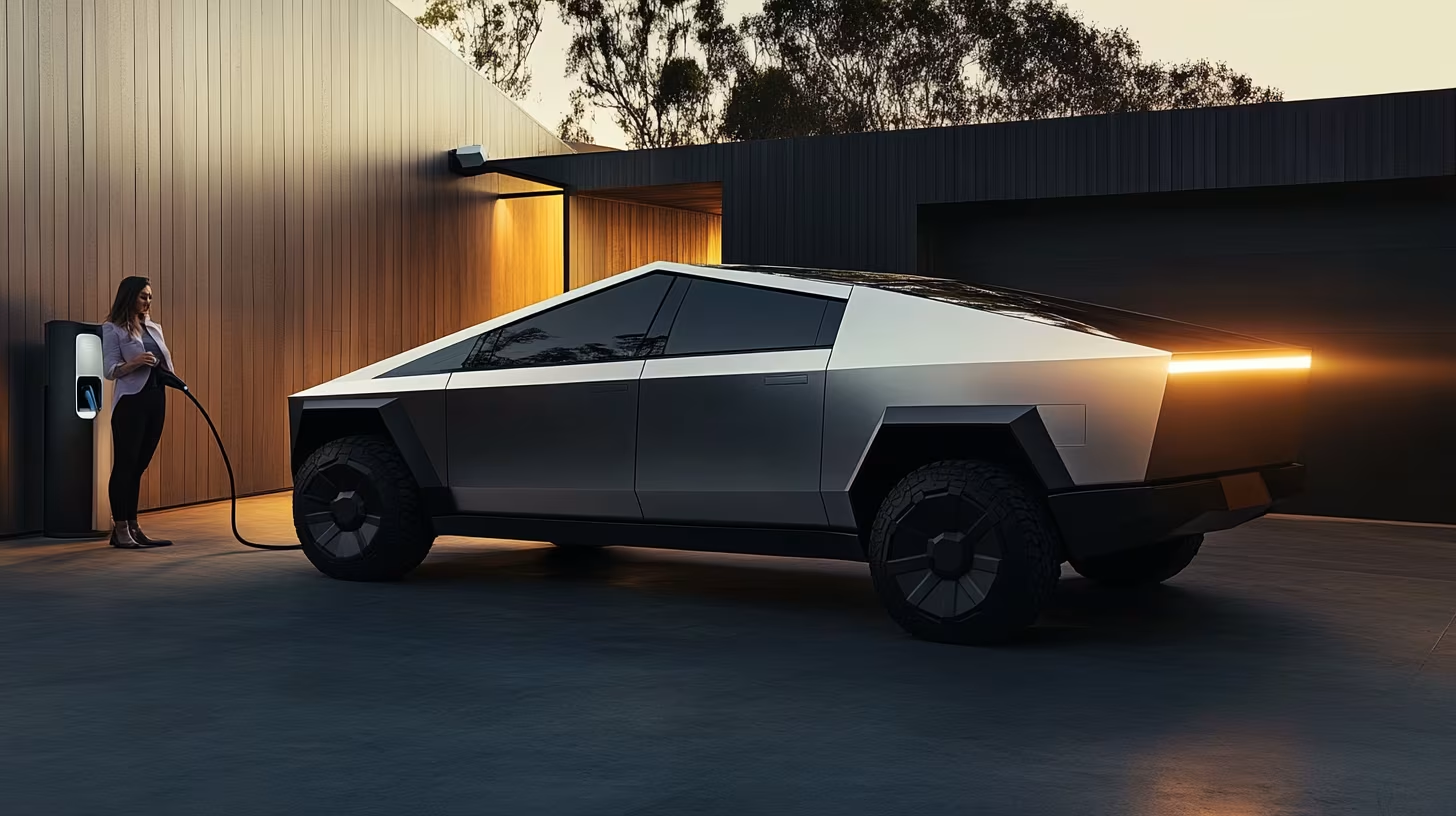
0–100 km/h in 6.2 seconds, Range: ~563 km (WLTP), Towing capacity: 3400 kg, Cloth seats, 7-speaker audio system, Manual tonneau cover, Lacks adaptive suspension and onboard power outlets
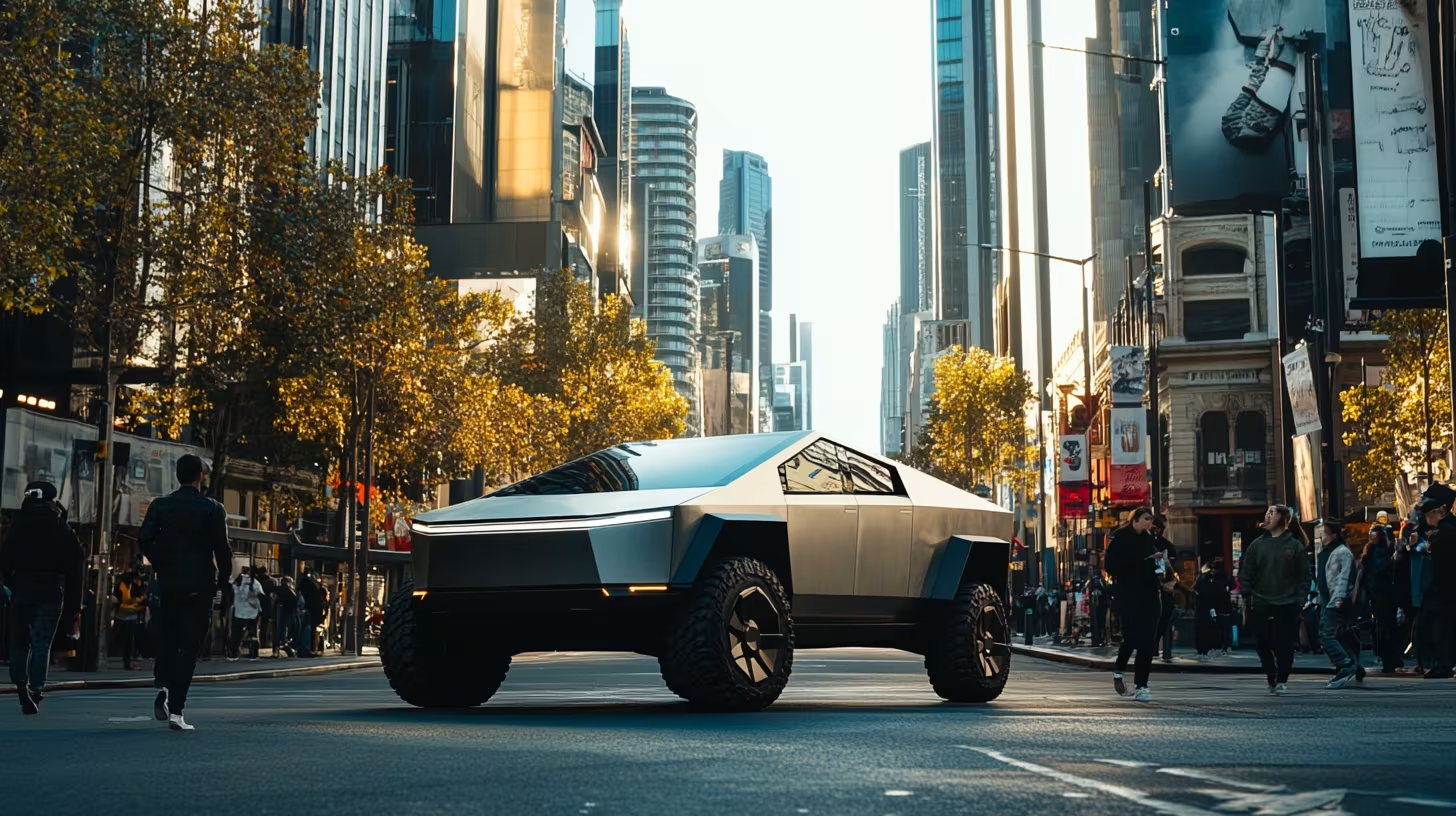
0–100 km/h in 4.1 seconds, Range: ~547 km (WLTP), Towing capacity: 4990 kg, Heated and ventilated front seats, Heated rear seats, 15-speaker premium audio system, Adaptive air suspension, Onboard 120V/240V power outlets
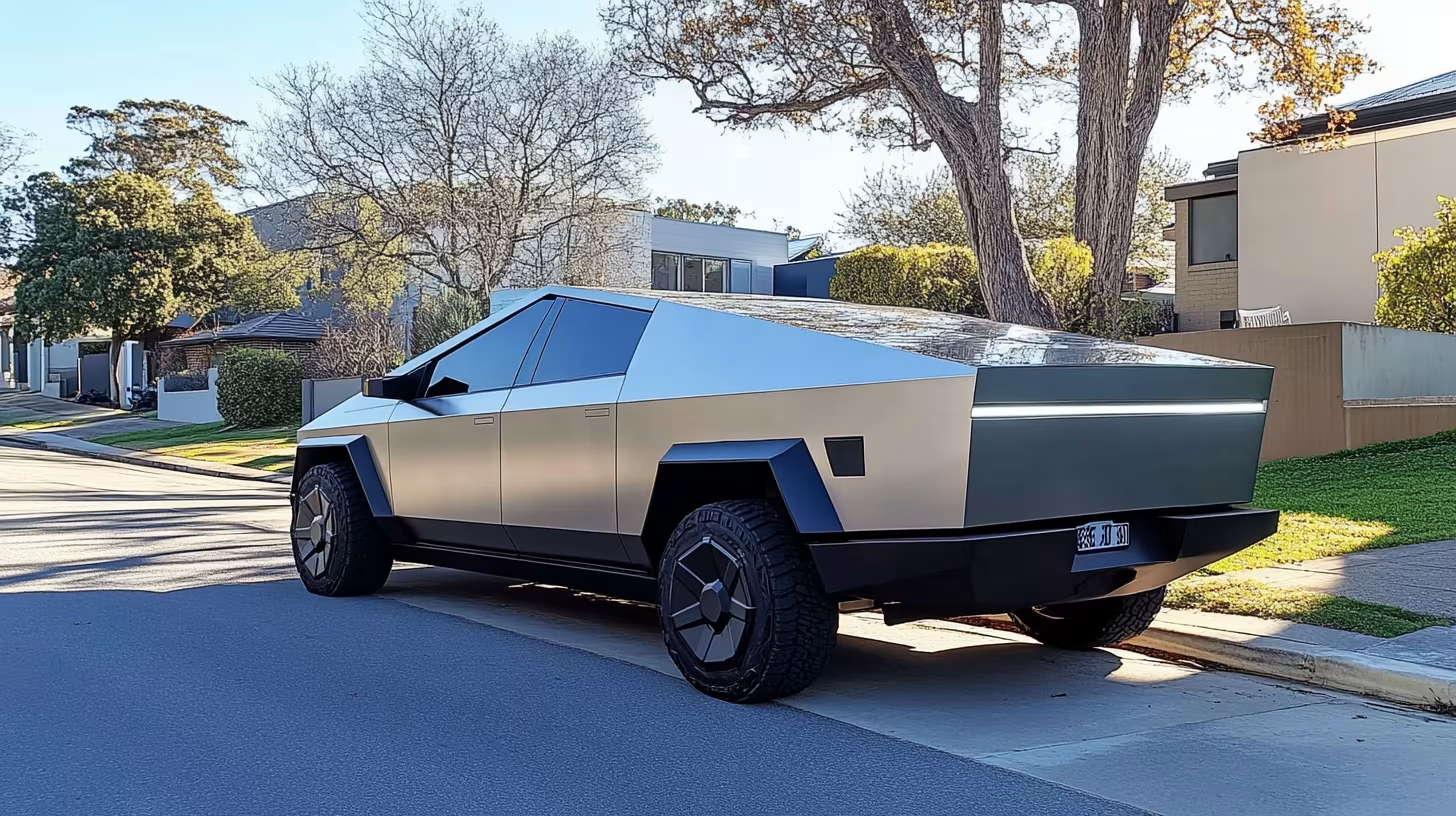
0–100 km/h in 2.6 seconds, Range: ~515 km (WLTP), Towing capacity: 4990 kg, Enhanced performance features, Same interior features as Dual Motor AWD
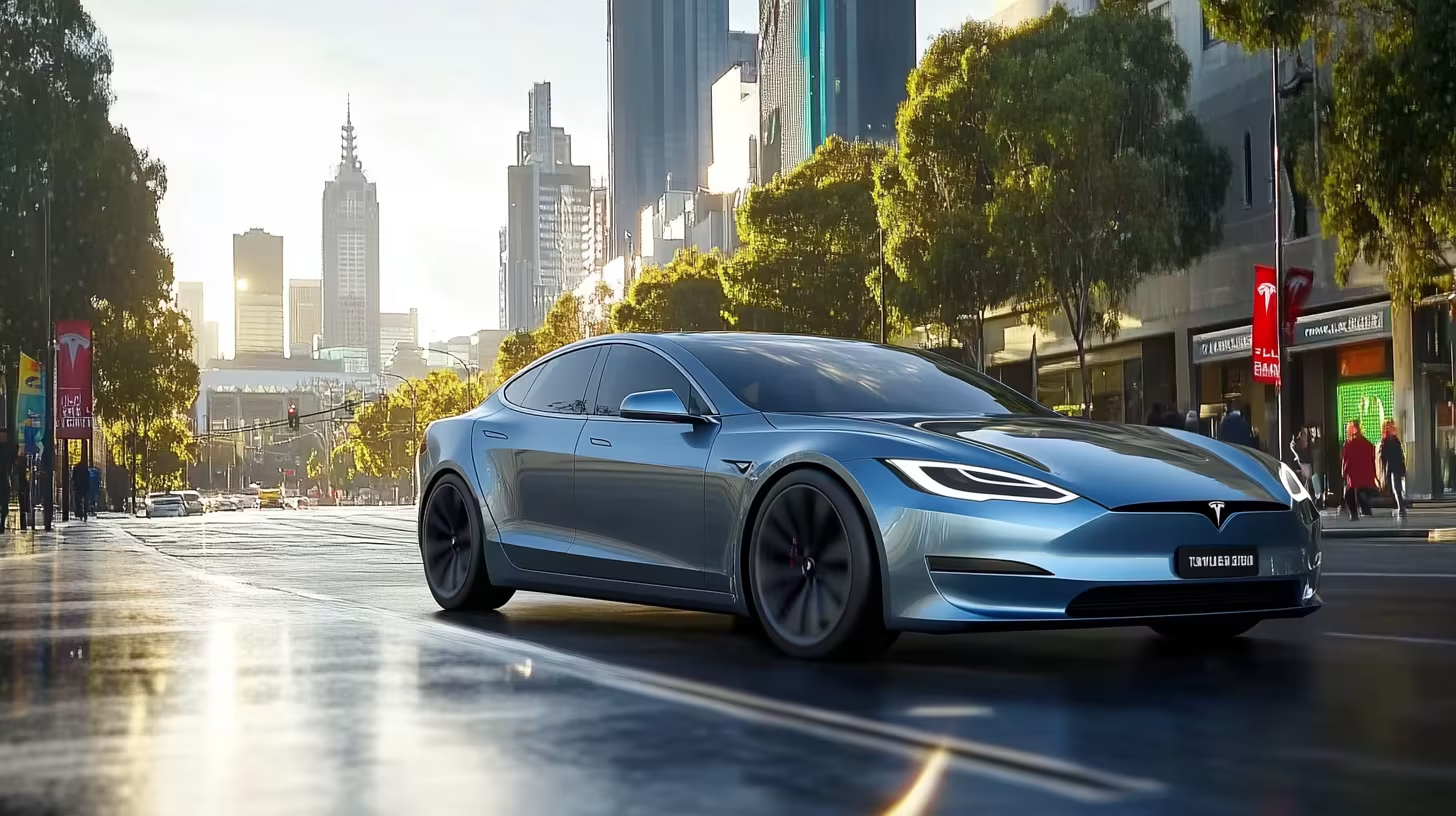
The Tesla Model S blends supercar performance with the practicality of a five-door luxury liftback. Dual-motor AWD variants churn out up to 500 kW, with the tri-motor Plaid launching from 0–100 km/h in just 2.1 seconds—making it one of the world’s quickest production cars. WLTP range is a class-leading 652 km (dual-motor) or 637 km (Plaid), and Tesla’s 100 kWh battery supports rapid charging through the widespread Supercharger network.
Inside, you’ll find a tech-laden minimalist cabin: a 17-inch touchscreen, rear entertainment display, and Tesla Arcade. A 22-speaker, 960-watt sound system and tri-zone climate ensure comfort for all passengers. Autopilot and Full Self-Driving add semi-autonomous ability, while a huge boot and frunk provide superb cargo flexibility.
Ride comfort, performance, and ongoing software updates make the Model S a true all-rounder for those wanting awe-inspiring acceleration and stress-free long trips—without petrol or compromise.
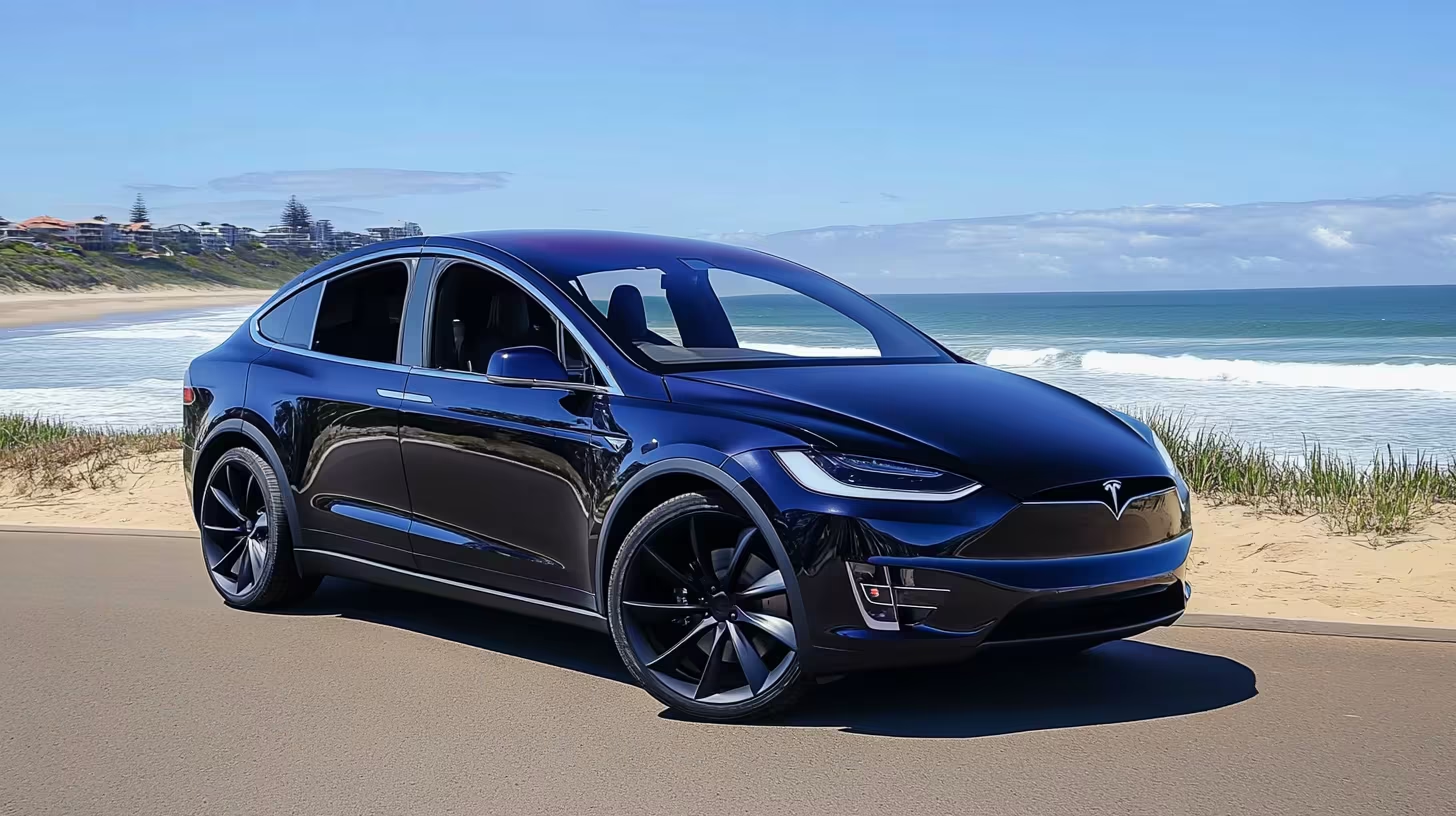
The Model X brings Tesla’s electric wizardry to the luxury SUV sector, seating up to seven adults and towing up to 2,250 kg (braked). Dual- and tri-motor (Plaid) AWD powertrains pump up to 1,020 hp, blasting from 0–100 km/h in just 2.6 seconds (Plaid) and offering up to 580 km (WLTP) range. Smart air suspension, torque vectoring, and a low centre of gravity deliver agile handling rarely found in SUVs.
A 17-inch touchscreen, rear entertainment display, Falcon Wing doors, and panoramic glass create a premium, spacious cabin, with a 22-speaker audio system providing immersive sound. Autopilot and Full Self-Driving are available, while five-star safety and active driver assists give peace of mind.
Huge cargo space—up to 2,577 L with seats down—makes the Model X as practical as it is fast. Class-leading charging speeds and regular OTA updates keep it at the sharp end of tech and functionality for adventurous Australian families.
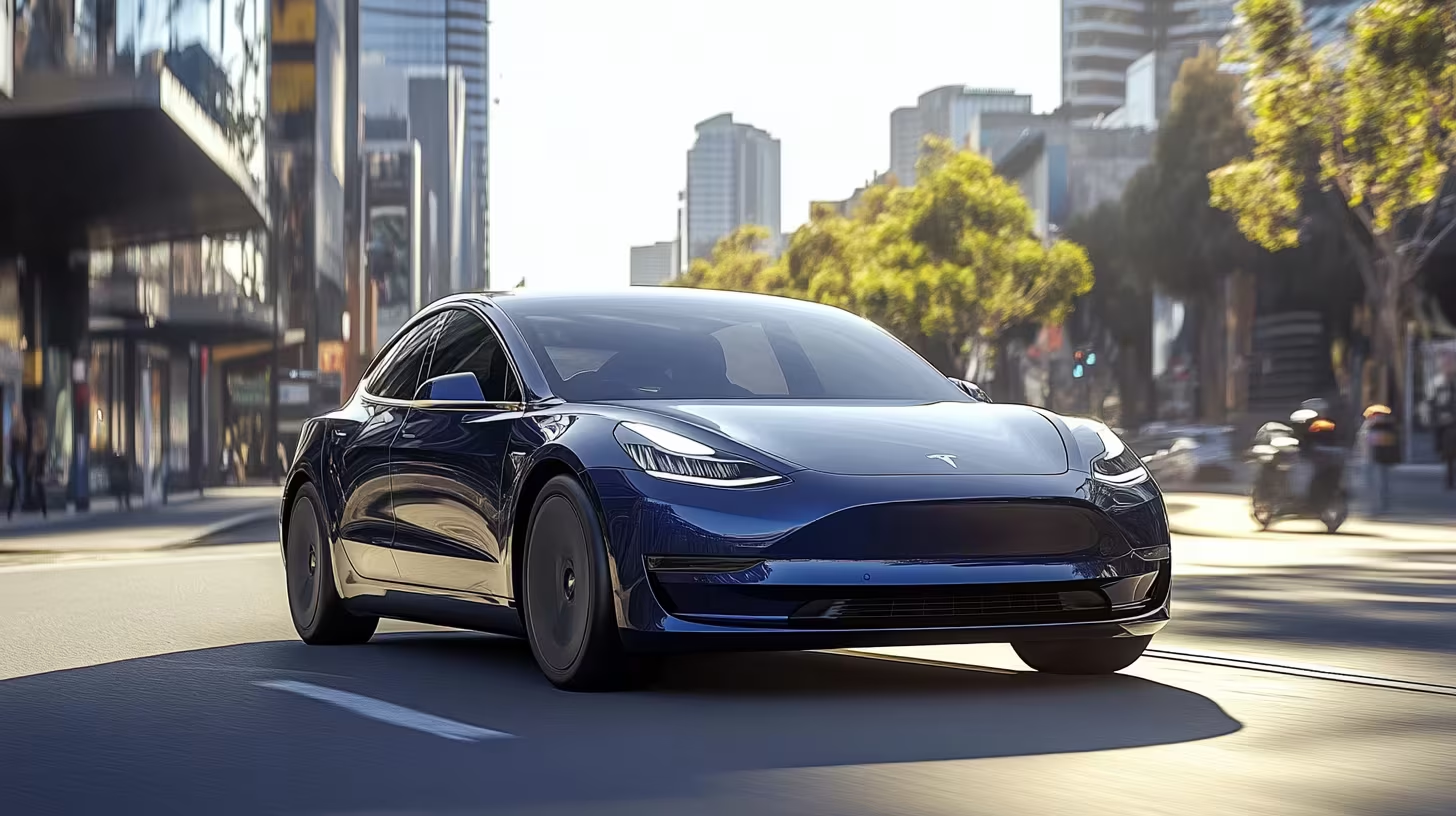
Tesla’s Model 3 is the benchmark for accessible electric sedans in Australia, balancing brisk performance, everyday usability, and low running costs. Rear-wheel drive and dual-motor AWD variants span 208–460 kW, sprinting from 0–100 km/h in as little as 3.1 seconds (Performance). Best-in-class energy efficiency enables 513–629 km (WLTP) range, depending on battery and model.
The cabin is a masterclass in minimalism—centred on a 15.4-inch touchscreen, panoramic glass roof, and ambient lighting—supported by advanced OTA software updates, and (in upper trims) a 17-speaker sound system. Dual climate zones, heated front and rear seats, and a huge boot (plus frunk) deliver family comfort and practicality.
Autopilot, adaptive cruise, lane-keep assist, and rapid charging up to 250 kW are standard; Full Self-Driving is optional. The Model 3 sets the standard for price, performance, and tech among mainstream EVs—making it a leader in Australia’s electric transition.
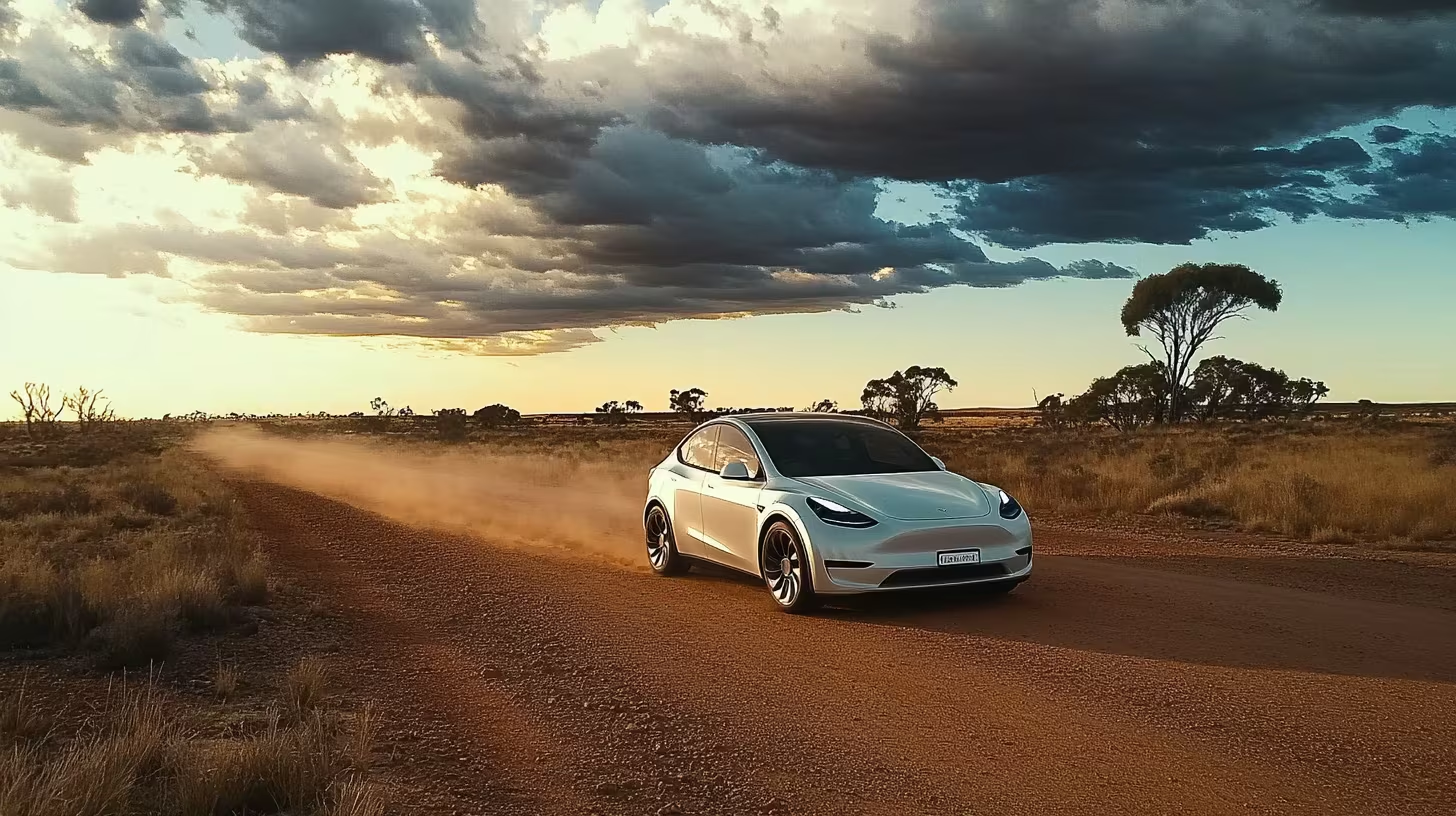
The Tesla Model Y adapts all the Model 3’s strengths into a practical crossover body, with up to 7 seats (optional) and an enormous boot for active families. RWD and dual motor AWD options (up to 393 kW) deliver 0–100 km/h times from 6.9 to 3.7 seconds, while WLTP range stretches up to 551 km for the Long Range AWD.
Inside, a 15-inch touchscreen anchors a minimalist cabin, with heated seats, premium audio, panoroof, ambient lighting, and wireless phone charging on upper trims. The Model Y’s panoramic glass and power tailgate make loading easy, and underfloor storage boosts luggage space.
Autopilot, camera-based safety tech, and Full Self-Driving (optional) provide up-to-date driver assistance, while ownership is made easy with 4-year/80,000 km warranty and robust Supercharger access. For families needing the flexibility of an SUV with the speed and convenience of Tesla, the Model Y leads the class.
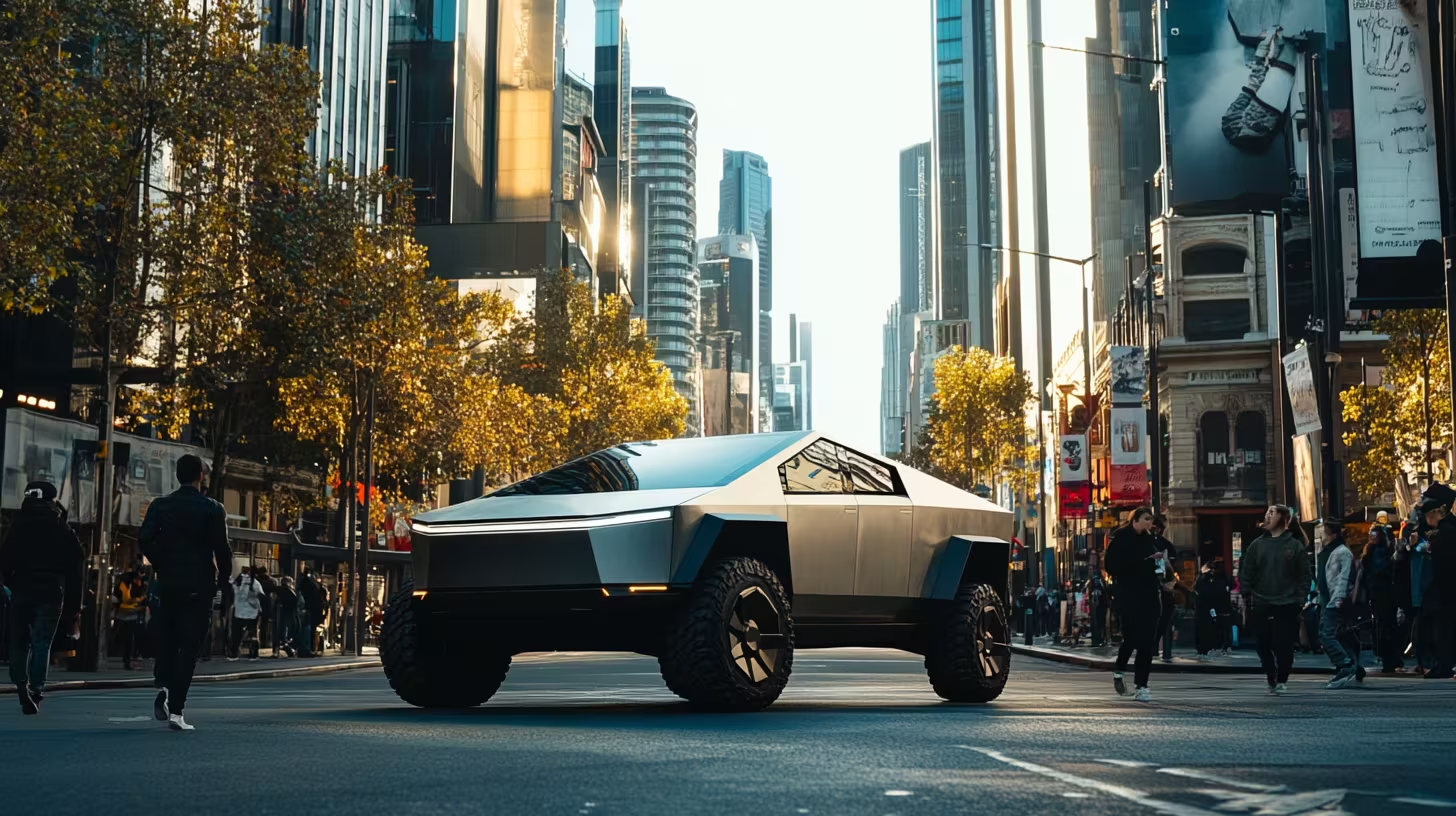
The Tesla Cybertruck is an electric ute like no other—combining radical angular design, ultra-hard stainless bodywork, and unparalleled electric powertrains for the ultimate in shock-and-awe utility. Single, dual, and tri-motor versions range from 226 kW (RWD) to a monstrous 630 kW (Cyberbeast AWD), with 0–100 km/h possible in a supercar-baiting 2.6 seconds. Claimed range rises to 800 km (tri-motor) and DC fast charging of up to 250 kW means quick top-ups.
Inside, the Cybertruck seats up to six, and boasts a 17-inch screen, Tesla Arcade, and premium audio in upper grades. Dual and tri-motor variants can tow up to 6,350 kg and offer onboard 120V/240V outlets and adaptive air suspension for worksite or weekend. High ground clearance, bulletproof look, and massive cargo bay draw attention everywhere.
Safety tech is comprehensive, though the radical body has raised debate. For Aussies who want to make a statement—and reimagine what a workhorse can be—the Cybertruck stands apart as an audacious all-rounder.

Want Solar Finance Options?
Compare lenders and get tailored loan offers.
FAQ - Tesla Electric Cars
What is the current Tesla share price?
The Tesla share price fluctuates frequently due to market dynamics and investor sentiment. As of the latest update, you can check its current value on financial news websites like Bloomberg or directly on the Nasdaq. Typically, Tesla shares have seen significant volatility, reflecting investor confidence in Tesla’s innovation and expansion into new markets.
How do Tesla Superchargers work?
Tesla Superchargers are high-speed charging stations that significantly reduce the time needed to charge Tesla vehicles. They can provide up to 200 miles of range in just 15 minutes, thanks to their fast-charging capability. This network is strategically placed along popular travel routes, enabling long-distance travel with minimal charging time.
What is the Tesla Cybertruck’s expected price?
The Tesla Cybertruck is expected to start around $39,900 before incentives, depending on specifications and features. This futuristic vehicle is anticipated to offer a range exceeding 500 miles, with the option for a tri-motor configuration capable of accelerating from 0 to 60 mph in less than 2.9 seconds.
How much does a Tesla Model Y cost in Australia?
In Australia, the Tesla Model Y pricing starts at approximately AUD 65,000. This cost is subject to variations based on model specifications, chosen features, and applicable taxes or incentives. The Model Y stands out for its long range capability and advanced technology features suitable for a versatile lifestyle.
What are the specifications of the Tesla Powerwall?
The Tesla Powerwall is a rechargeable lithium-ion battery designed for home energy storage, with a capacity of 13.5 kWh. It provides solar self-consumption, time-based control, and backup power options. This system can power a typical Australian home of 4 occupants for an entire day on a single charge.
What is the capacity of a Tesla Model X battery?
The Tesla Model X offers a high-capacity battery, with options reaching up to 100 kWh. This substantial battery capacity contributes to the vehicle's impressive range of up to 340 miles on a single charge, depending on usage and configuration. The Model X combines luxury with high performance, suitable for various driving conditions.
How does the Tesla Model 3 fare in terms of range?
The Tesla Model 3 Long Range version provides an impressive distance of up to 358 miles per charge, as per Tesla's Official EPA ratings. This makes it an excellent choice for those looking for an efficient electric vehicle that can handle long drives while incorporating advanced technology and comfort.
How accessible are Tesla dealers in Australia?
Tesla has expanded its presence in Australia, with dealerships located in major cities such as Sydney, Melbourne, and Brisbane. Each location provides a full range of services, including sales, test drives, and vehicle servicing. The network ensures that Australian customers have ample access to Tesla’s quality services and products.
What are the insurance options for a Tesla in Australia?
Tesla owners in Australia can expect insurance premiums to vary based on the model and personal profile. Tesla Insurance offers comprehensive cover tailored to Tesla vehicles, often integrating features like repairs at Tesla-approved centers, which helps ensure quality and maintain the vehicle's value. Premiums can be higher due to the vehicle's value and advanced technology.
How can I test drive a Tesla vehicle?
Arranging a test drive with Tesla is straightforward: you can book an appointment online through Tesla’s website or visit a nearby Tesla store. A test drive typically allows you to explore the vehicle’s capabilities, including acceleration, Autopilot, and the overall driving experience. It’s an excellent way to feel the unique performance of an electric car.
What factors influence the price of Tesla stock?
Tesla's stock price is influenced by various factors including company performance, innovations, market conditions, and global economic factors. Investor sentiment, of course, plays a crucial role, as do quarterly financial results and announcements about new products or technological advancements.
What’s the difference between the Tesla Model S Plaid and Model 3?
The Tesla Model S Plaid is a high-performance variant, boasting a 0-60 mph time of under 2 seconds and a tri-motor setup, whereas the Model 3, a more affordable option, offers a balanced blend of range, performance, and cost. Each caters to different needs; the Plaid is focused on extreme performance, while the Model 3 targets the everyday driver with lower operational costs.
How does Tesla’s Autopilot feature work?
Tesla’s Autopilot uses cameras, ultrasonic sensors, and radar to provide an advanced driver-assistance system, capable of steering, accelerating, and braking automatically within its lane. The system enhances safety and convenience through continuous software updates and can eventually evolve toward full self-driving capabilities, contingent upon regulatory approvals.
What charging options are available for Tesla vehicles at home?
Tesla vehicles can be charged at home using a standard wall outlet, although this is slower compared to a Wall Connector. The Tesla Wall Connector is recommended for faster charging, providing up to 44 miles of range per hour of charge when installed on a 220V outlet. It’s ideal for daily overnight charging.
What benefits does the Tesla Powerwall offer in Australia?
The Tesla Powerwall offers key benefits such as energy independence by storing solar energy for use when the sun isn’t shining. It provides backup power during blackouts and helps reduce energy bills through time-based control. Additionally, the Powerwall integrates seamlessly with solar panels, making it a green choice for homes.
What is the anticipated release date for the Tesla Cybertruck in Australia?
While an exact release date for the Tesla Cybertruck in Australia is not confirmed, it is expected to arrive shortly after its U.S. release, projected for 2024. This vehicle's delivery timeline may be impacted by global production schedules and Australian compliance requirements.
How does Tesla’s Full Self-Driving (FSD) differ from standard Autopilot?
Tesla’s FSD package includes advanced capabilities like automatic navigation from highway on-ramps to off-ramps, automated lane changes, and Autopark. While standard Autopilot provides basic driving assistance, the FSD upgrades aim to allow complete hands-free driving, subject to regulatory approval, essentially offering more autonomy features.
How environmentally friendly are Tesla’s operations in Australia?
Tesla aims to foster sustainable energy consumption with all its operations, from zero-emission vehicles to energy products like the Powerwall. In Australia, Tesla supports renewable energy integration and strives to reduce carbon footprints by pushing for widespread EV adoption and sustainable home energy solutions.
Why is the Tesla Roadster significant?
The Tesla Roadster is significant as it redefines performance with projections of reaching 0-100 km/h in just 2.1 seconds. It boasts a top speed above 400 km/h and a considerable range of 1000 km per charge, making it one of the fastest sports cars ever, which heralds the potential for electric vehicles in the performance market.
How can potential investors assess Tesla’s stock?
Potential investors can evaluate Tesla’s stock by looking at factors such as market trends, financial metrics like PE ratios, revenue, profit margins, and industry competition. Analyst reports and stock ratings from financial platforms offer insights into investment opportunities, though investors should consider personal financial strategies and risk tolerance.
Find EV Chargers & Solar Power by State
Discover charging infrastructure and solar power options for your TESLA in your state:
*Disclaimer: This page includes information, descriptions, and images that may have been created or enhanced with the assistance artificial intelligence, powered by our proprietary Ray-i (AI) technology system. While we do our best to ensure accuracy, specifications and details can vary between models, regions, and over time as manufacturers make updates. Images are for illustrative purposes, and the content is provided for general reference. For the most up-to-date specifications or features, we recommend checking directly with the manufacturer or your local dealer.